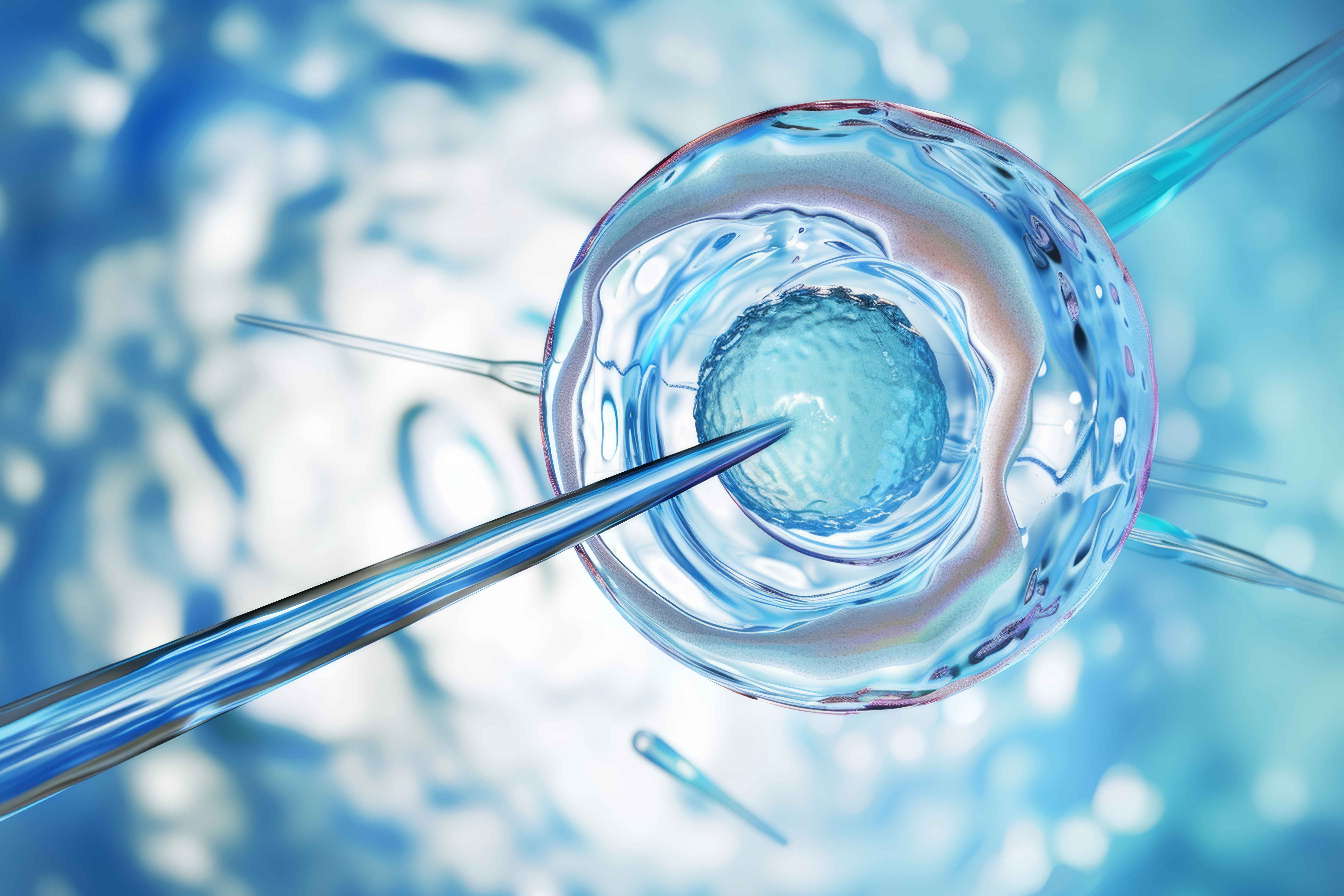
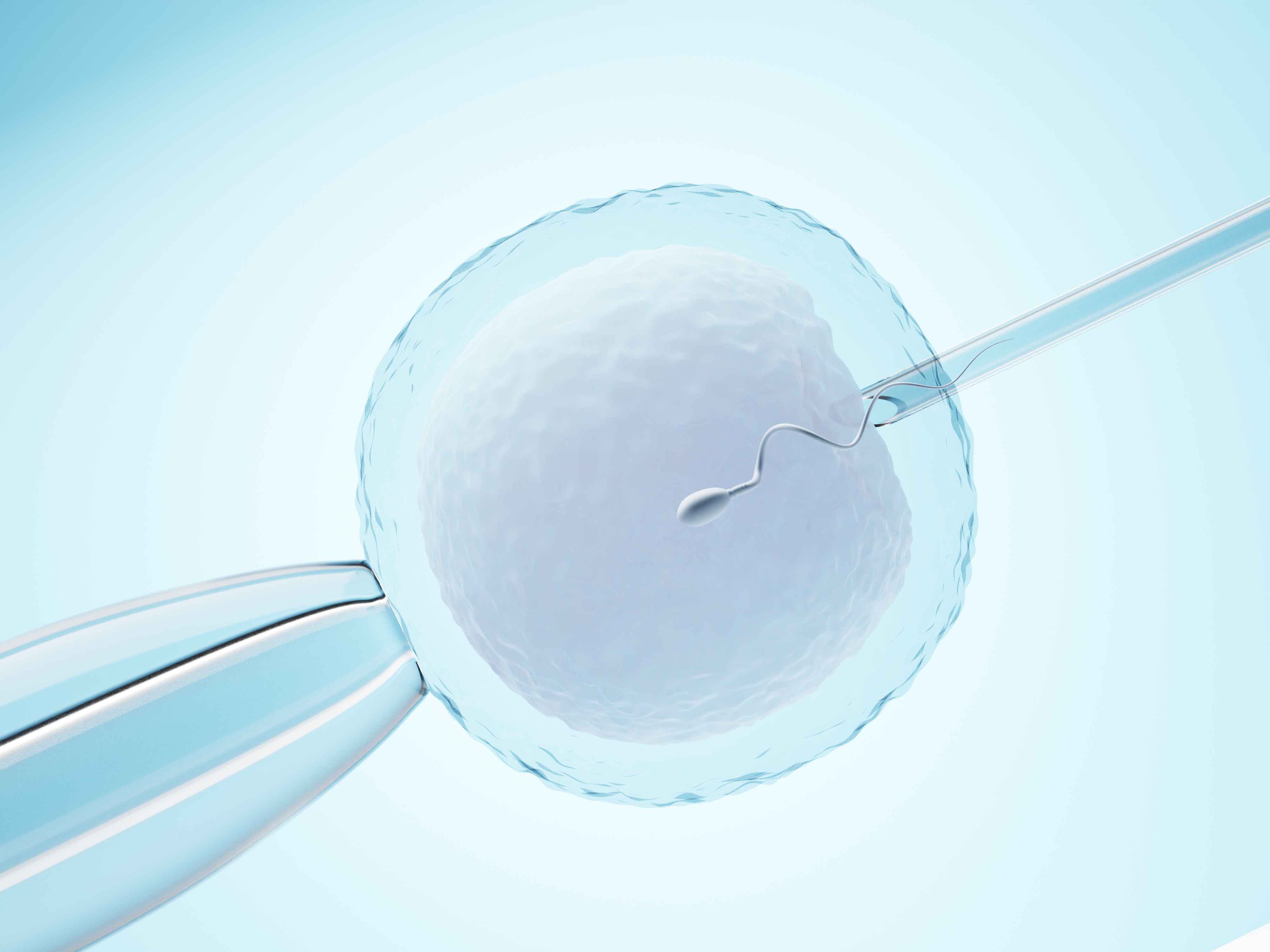
Egg freezing in India is a four-stage medical process completed in roughly three to four weeks: hormone stimulation for 10 to 14 days, a 30-minute egg retrieval under sedation, vitrification (flash-freezing) of mature eggs, and long-term storage in liquid nitrogen until you choose to use them.
What is the egg freezing process?
Egg freezing, clinically known as oocyte cryopreservation, is a fertility preservation procedure in which a woman's mature eggs are collected from her ovaries, frozen at extremely low temperatures, and stored for future use. The process pauses the biological clock at the age the eggs are frozen, which means the eggs you freeze at 32 retain the genetic quality of a 32-year-old, even if you use them at 38 or 40. Egg freezing is offered by Cloudnine Fertility for women who want to delay pregnancy for personal, medical or career reasons.
Quick facts at a glance:
Aspect
What it means for you
Total duration
3 to 4 weeks from the first consultation to freezing
Active treatment days
10 to 14 days of hormone injections
Egg retrieval
20 to 30 minutes, under light sedation
Freezing technique
Vitrification flash-freezing in seconds
Storage temperature
Minus 196°C in liquid nitrogen
Storage duration in India
Indefinite, with annual renewal under the ART Act 2021
Recovery time
1 to 2 days of rest after retrieval
Why egg freezing matters now in India
Egg freezing has moved from a niche option to a mainstream fertility choice in Indian metros. The Assisted Reproductive Technology (Regulation) Act, 2021, brought the procedure under formal medical regulation, standardising consent, storage, and use across licensed clinics. At the same time, advances in vitrification have pushed survival rates of thawed eggs to over 90 per cent in well-equipped labs, compared with around 60 per cent under the older slow-freezing method.
Most women in India who freeze their eggs are between 30 and 38, often planning pregnancy three to seven years later. The decision is rarely about "if"; it is about timing, partner readiness, career stage, or medical reasons such as endometriosis, PCOS, or upcoming cancer treatment. Understanding the process, step by step, helps you weigh whether the timing is right for you and what to expect physically, emotionally, and practically.
Egg freezing process in India: step-by-step
The process unfolds in four medically distinct stages, each with a clear purpose and timeline. Below is the full sequence, from your first consultation to the moment your eggs are placed in storage.
Step 1: Initial consultation and fertility assessment (Week 0)
Your egg freezing journey begins with a one-hour consultation at a Cloudnine Fertility centre. The fertility specialist reviews your medical history, menstrual patterns, lifestyle, and reasons for freezing. You will then undergo a baseline assessment that includes:
• AMH blood test (anti-Müllerian hormone) estimates your ovarian reserve, or how many eggs you have left.
• Antral follicle count (AFC) is a transvaginal ultrasound that counts visible follicles in both ovaries on day 2 or 3 of your cycle.
• Infectious disease screening for HIV, hepatitis B and C, and syphilis, as required by law for any tissue stored in a fertility lab.
Based on these results, your specialist designs a stimulation protocol tailored to your age, ovarian reserve, and BMI. You will also discuss the realistic egg yield to expect, costs, and the ART Act consent paperwork, which must be signed before treatment begins.
Step 2: Ovarian stimulation phase (Days 1 to 14)
Once your next period starts, you begin daily hormone injections to stimulate your ovaries to mature multiple eggs in a single cycle, instead of the one egg they would naturally release. The injections are given subcutaneously (just under the skin of the abdomen or thigh), usually in the evening, and most women self-administer at home after a brief training session.
During this 10 to 14-day phase, you will:
• Visit the clinic every 2 to 3 days for a follicle scan and an oestradiol blood test, so the doctor can track follicle growth and adjust dosage in real time.
• Add a second injection (a GnRH antagonist) around day 6 or 7 to prevent the ovaries from releasing eggs too early.
• Receive a final "trigger shot" once enough follicles reach 17 to 20 mm. The trigger schedules egg retrieval exactly 35 to 36 hours later, timing is precise to the hour.
Most women feel bloated, mildly tender in the lower abdomen, and emotionally sensitive during this phase. Daily activity is generally fine, but high-impact exercise and travel are usually paused for the last 5 to 7 days.
Step 3: Egg retrieval (Day 14 or 15)
Egg retrieval is a 20 to 30-minute outpatient procedure performed under light intravenous sedation, so you sleep through it but go home the same day. Using transvaginal ultrasound guidance, the specialist passes a thin needle through the vaginal wall into each ovary and gently aspirates the fluid from each mature follicle. The fluid is immediately handed to the embryologist, who locates and isolates the eggs under a microscope.
You will be in the clinic for around 4 hours in total: 1 hour for pre-op preparation, 30 minutes for the procedure, and 2 hours of monitored recovery. Mild cramping and spotting are normal for 24 to 48 hours afterwards. Most women return to a desk job within 1 to 2 days, while strenuous activity is paused for about a week.
Step 4: Vitrification and storage (Same day)
Within hours of retrieval, the embryology team assesses each egg under high-magnification microscopy. Only mature eggs (technically called metaphase II oocytes) can be frozen; typically, 70 to 85 per cent of those retrieved. Each mature egg is then vitrified: bathed in a cryoprotectant solution and plunged into liquid nitrogen at -196°C in under one second. This ultra-rapid cooling prevents ice crystal formation, which is what damaged eggs under the older slow-freezing method.
Frozen eggs are stored in clearly labelled, individually identified straws inside cryogenic tanks monitored 24/7 for temperature and nitrogen levels. Under the ART Act 2021, you sign a storage agreement specifying duration, renewal terms, and what should happen to the eggs in the event of death, separation, or non-renewal. Your eggs remain biologically frozen in time for as long as you choose to store them.
Factors that influence your egg freezing outcome
Two women going through the same protocol can end up with very different egg yields. Outcomes depend on a mix of biological and procedural factors:
• Age at the time of freezing is the single biggest factor. Eggs frozen before 35 have substantially higher live birth potential per egg than eggs frozen after 38, because both quantity and chromosomal quality decline with age.
• Ovarian reserve (AMH and AFC) A higher AMH and antral follicle count generally predict more eggs retrieved per cycle. Low reserve does not mean freezing is impossible, it only means that the yield per cycle may be lower.
• Stimulation protocol: Antagonist, agonist, and mild stimulation protocols are chosen based on your hormone profile. The right protocol can raise yield without raising the risk of overstimulation.
• Lab quality and embryologist expertise. Vitrification is highly technique-dependent. Survival rates after thawing range from below 70 per cent in less experienced labs to over 90 per cent in high-volume centres.
• Lifestyle and underlying conditions: Smoking, very high or very low BMI, untreated thyroid imbalance, and conditions such as severe endometriosis can all reduce yield or quality.
• Number of cycles: Some women complete more than one cycle to bank a target number of eggs, especially after age 35 or with low ovarian reserve.
How to prepare for egg freezing
The 2 to 3 months before your cycle are the most influential window for the eggs you will freeze. The follicles that respond to stimulation began their final maturation around 90 days earlier, so preparation is not a last-minute task. Two areas matter most: the choices you make at home and the steps you take with your specialist.
At-home preparation (8 to 12 weeks before)
• Aim for a balanced, Mediterranean-style diet rich in leafy greens, whole grains, healthy fats, and lean protein, and reduce ultra-processed foods and added sugar.
• Move your body most days, a mix of walking, strength work, and yoga supports hormonal balance and circulation. Avoid sudden, intense new training regimes during the cycle itself.
• Stop smoking and minimise alcohol, both of which are linked to reduced egg quality. Limit caffeine to one or two cups a day.
• Prioritise sleep (7 to 9 hours) and active stress management. Chronically high cortisol can disrupt the hormones that drive ovulation.
• Discuss any prenatal supplements with a Cloudnine Fertility specialist before starting them, rather than self-prescribing from internet lists.
Clinical preparation (with your specialist)
• Complete every test the doctor orders, even if you have done some recently, values change, and the protocol is built on current numbers.
• Be honest about your full medical history, current medications, and any history of ovarian surgery, endometriosis, or PCOS.
• Read the ART Act consent forms carefully and ask about storage duration, renewal, and disposition options before signing.
• Plan your work calendar so you can attend monitoring scans and take 1 to 2 days off around retrieval. Most clinics, including Cloudnine Fertility, can schedule scans in early-morning slots to minimise disruption.
Egg freezing decisions are time-sensitive. The earlier you have the conversation, the more options you have. Use the table below to gauge whether it is time to book an assessment.
Your situation
Recommended action
You are 30 to 35 and not planning a pregnancy in the next 2 to 3 years
Book a fertility assessment to check ovarian reserve and discuss timing
You are 35 or older and unsure about pregnancy timing
See a specialist within 1 to 3 months, yield drops each year after 35 measurably
You have a family history of early menopause or premature ovarian insufficiency
Book an assessment in your late 20s or early 30s, regardless of plans
You have been diagnosed with PCOS, endometriosis, or fibroids
Discuss whether freezing is advisable now, alongside condition management
You are about to start chemotherapy, radiotherapy, or surgery affecting the ovaries
Urgent: see a fertility specialist within days, not weeks
You experience irregular cycles, missed periods, or unexplained pelvic pain
Book a consultation to investigate the underlying cause first
Speak to a Cloudnine Fertility specialist. A 60-minute consultation gives you a clear picture of your ovarian reserve, realistic timelines, and a personalised plan long before you commit to a cycle. Book a fertility consultation at a Cloudnine Fertility centre near you.
Egg freezing outcomes by age
Outcomes data helps you set realistic expectations. The numbers below are based on published vitrification data from large fertility registries and are typical of well-equipped Indian fertility labs. Individual results vary based on ovarian reserve and lab performance
Age at freezing
Avg eggs per cycle
Mature eggs frozen
Egg survival on thaw
Live birth chance per cycle banked
Under 30
15 to 20
12 to 17
Around 90 to 95%
Around 60 to 70%
30 to 34
12 to 18
10 to 15
Around 90%
Around 50 to 60%
35 to 37
10 to 14
8 to 12
Around 85 to 90%
Around 35 to 45%
38 to 40
6 to 10
5 to 8
Around 80 to 85%
Around 20 to 30%
Over 40
3 to 6
2 to 5
Around 75 to 80%
Under 15%
A common rule of thumb in the fertility literature: women under 35 are advised to bank 10 to 15 mature eggs for a reasonable chance at one live birth, while women over 38 are typically advised to bank 20 or more. Your specialist will discuss your specific target during the planning consultation.
Want to consult the best fertility in india? Please find the links below.
Find clear, trusted answers to the most common questions about IVF—designed to guide and support you every step of the way.
How many eggs should I freeze?
There is no single right number. Most fertility specialists aim for a target that gives you a roughly 70 to 80 per cent chance of one live birth. For women under 35, that usually means 10 to 15 mature frozen eggs. For women aged 35 to 37, the target rises to 15 to 20. Over 38, the target may be 20 or more, often achieved across two cycles. Your AMH and the response in your first cycle will guide whether one cycle is enough.
Is egg freezing safe?
Egg freezing is considered very safe when performed by an experienced fertility team. The main short-term risk is ovarian hyperstimulation syndrome (OHSS), where the ovaries respond too strongly to stimulation. Modern protocols, antagonist medications, and careful monitoring have reduced severe OHSS to under 1 per cent of cycles. Egg retrieval itself carries the small risks of any minor procedure under sedation, bleeding, infection, or anaesthesia reaction, all of which are uncommon. There is no evidence that egg freezing increases long-term cancer or fertility risk.
How long does egg freezing take from start to finish?
From your first consultation to eggs in storage, plan for 3 to 4 weeks. Roughly: 3 to 7 days for testing and consent, 10 to 14 days of stimulation, 1 day for retrieval, and same-day freezing. If you choose to do back-to-back cycles, allow another 4 to 6 weeks per additional cycle. The active medication phase is the most demanding part of your calendar.
How long can frozen eggs be stored in India?
Under the ART (Regulation) Act 2021, there is no fixed expiry on stored eggs in India, but you must renew your storage agreement periodically. Eggs frozen by vitrification do not deteriorate measurably over time. Published live births have used eggs stored for over a decade. The deciding factor is your storage contract and any age limits the clinic applies for using your own eggs in a future pregnancy.