Fertile cervical mucus is the clear, stretchy, egg-white fluid (often called EWCM) that appears around ovulation and helps sperm survive and reach the egg. You can support it by staying well hydrated, timing intercourse to your fertile window, and avoiding things that dry it out, such as some antihistamines. Reassuringly, you do not need lots of egg-white mucus to conceive if you are ovulating; pregnancy is possible.

Cervical mucus is the fluid produced by glands in your cervix (the neck of the womb). Its texture changes across your cycle in response to estrogen, and at its most fertile it becomes clear, slippery, and stretchy, much like raw egg white, which is why it is called egg-white cervical mucus (EWCM). It is up to about 96% water, which is why hydration matters. The pattern over a typical cycle looks like this:
A useful distinction: cervical mucus is not the same as arousal fluid. Arousal fluid appears quickly with stimulation and dries fast; cervical mucus is present throughout the day and changes gradually over several days.
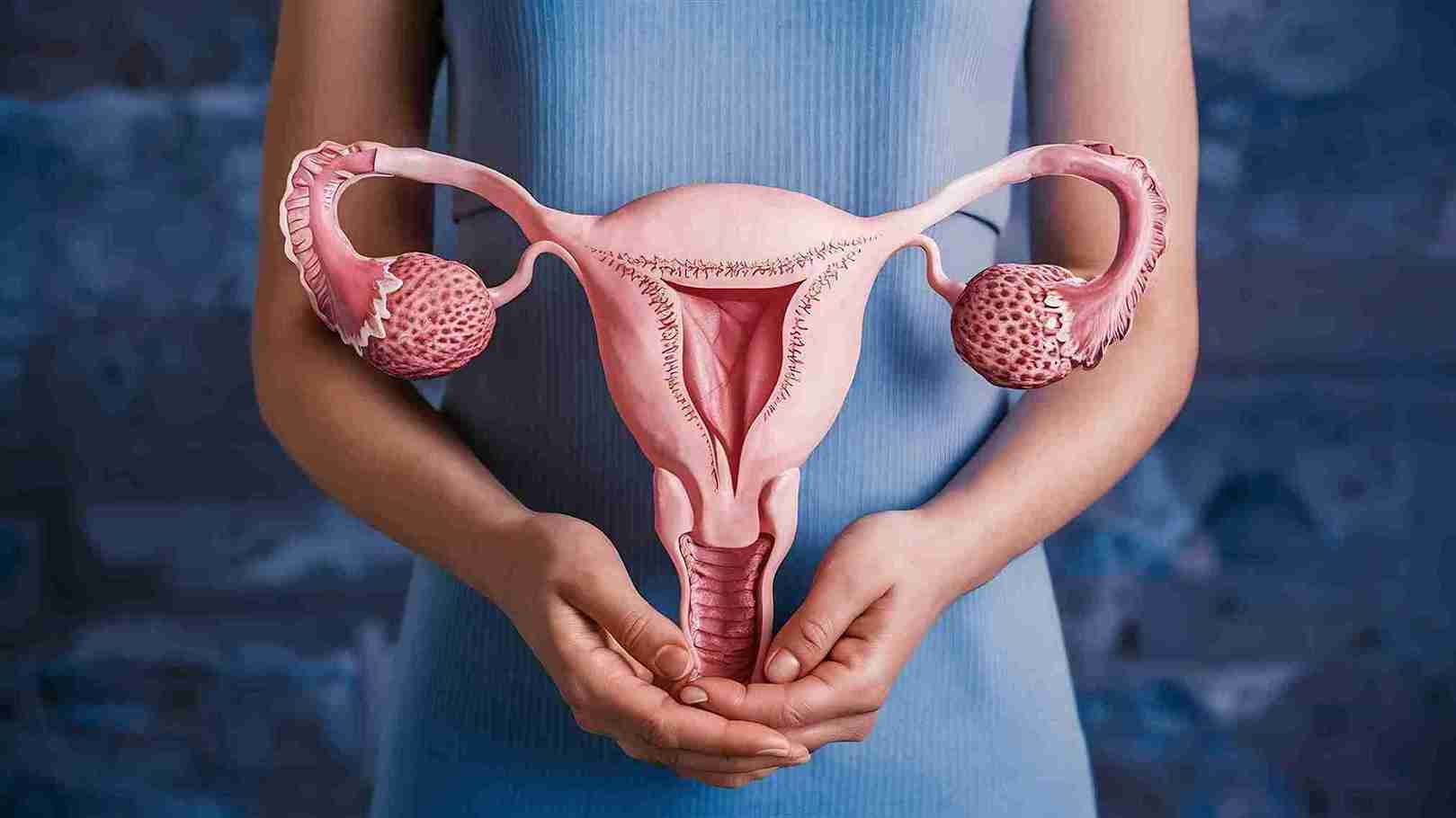
Around ovulation, fertile mucus does three helpful things: it keeps the vaginal and cervical environment hospitable so sperm survive longer (days rather than hours), it forms microscopic channels that guide sperm up towards the egg, and it signals that estrogen is rising and ovulation is near. In short, good-quality mucus is one of nature's ways of giving sperm a smoother, longer-lasting journey.
That said, it is important to keep this in proportion. Cervical mucus is a helpful sign of your fertile window, not a strict requirement for conception. Cervical-mucus problems are the sole cause of infertility in fewer than 1 in 20 couples. The large majority of difficulties relate to ovulation, sperm, or the fallopian tubes. So if you see little egg-white mucus, it is a reason to check your timing and ovulation, not a verdict on your fertility.
Most of what genuinely helps is about supporting your body's normal mucus production and timing intercourse well. The steps below are listed roughly in order of how much difference they make.
Because cervical mucus is mostly water, dehydration is the most common and most fixable reason it turns scanty or thick. Aim for steady hydration through the day, broadly eight to ten glasses (about two to three litres), more in hot weather or with exercise. Hydration lets your mucus reach its natural best; it will not push it beyond your personal baseline, but it removes the easiest obstacle.
A nutrient-dense diet supports the hormones behind healthy secretions. Useful additions include healthy fats (such as avocados, nuts, and olive oil) to support hormone production and green leafy vegetables, which provide zinc, potassium, and folate that aid healthy cervical secretions. A balanced diet matters far more here than any single “fertility food”.
Some everyday medicines reduce mucus throughout the body, including the cervix. Antihistamines and decongestants are the common culprits, so be mindful of them around your fertile window. Smoking and excess caffeine can also work against you. Worth knowing: clomiphene, a widely used ovulation-induction medication, can thicken or dry cervical mucus in some women, which is one reason letrozole is sometimes preferred; if you are on an ovulation medicine and notice dryness, raise it with your specialist rather than self-treating.
This is the practical tip most articles miss: many ordinary lubricants, and even saliva, can reduce sperm motility. If vaginal dryness is an issue around your fertile days, choose a fertility-friendly lubricant that is specifically labelled as sperm-safe, rather than reaching for a supplement. It is a small change with a clearer, more direct benefit than most “mucus boosters”.
Searches for ways to increase cervical mucus “quickly” turn up a long list of supplements, including evening primrose oil, L-arginine, vitamin C, various herbs, and even grapefruit juice. Here is the honest position: the evidence for all of these is weak and largely anecdotal, and none is an established fertility treatment. Evening primrose oil is the most discussed, but its benefit for cervical mucus is not proven, and it should only ever be used before ovulation (not afterwards). An over-the-counter expectorant (guaifenesin) is sometimes used off-label to thin mucus, but the evidence is limited, and it is not a first-line approach. The old “egg-white substitute” trick is not recommended due to the risk of infection. None of these is a substitute for confirming that you are ovulating and timing intercourse well, and you should check with your doctor before starting any supplement.

If you rarely see egg-white mucus, it is worth understanding why before trying to “fix” it. Common reasons include:
You can monitor your mucus in a few simple ways:
Egg-white mucus signals your most fertile days, and ovulation usually occurs around the last day of egg-white mucus or within about a day after it. The most fertile window is the few days up to and including ovulation, so aim to have regular intercourse (about every one to two days) from when you first notice fertile mucus through to a day after it peaks. Pairing mucus tracking with an ovulation predictor kit makes the timing even more reliable.

Cervical mucus alone is rarely the problem, but persistent issues are worth reviewing, especially because the underlying cause is often treatable.
Track your fertile window with guidance from a Cloudnine fertility specialist if poor mucus persists or your cycles are irregular. A quick check can confirm whether ovulation, not mucus, is the real question.
It helps to set honest expectations about what does and does not move the needle.