Your body sends clear, measurable signals in the days before and during ovulation, the phase in your cycle when pregnancy is possible. The most reliable physical signs include a change in cervical mucus to a clear, slippery consistency, a slight rise in basal body temperature, and mild one-sided pelvic pain. Recognising these signs helps you identify your fertile window accurately so you can time conception or plan around it.
What is ovulation, and why does it determine fertility?
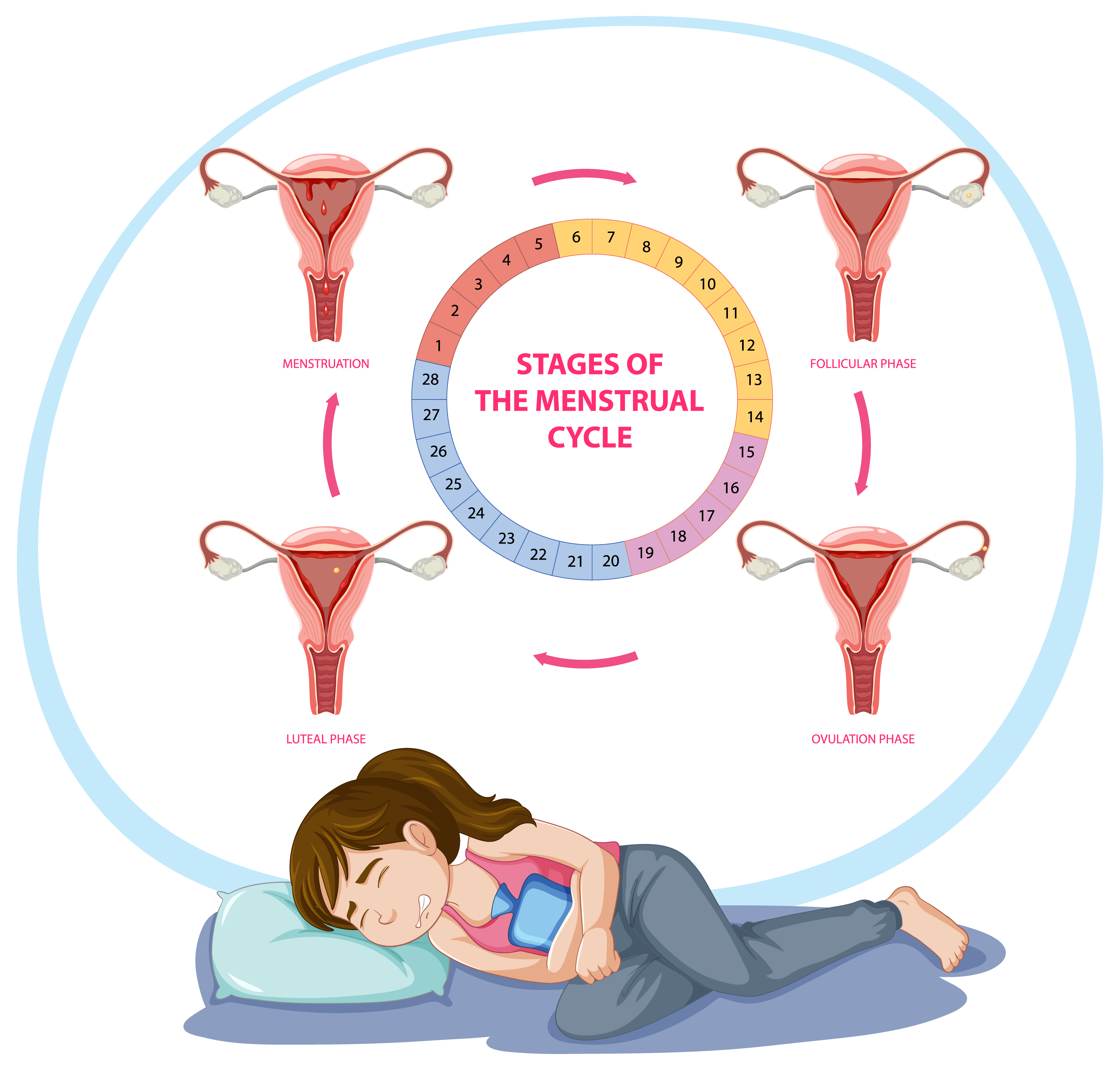
Ovulation is the release of a mature egg from one of your ovaries, triggered by a surge in luteinizing hormone (LH). It occurs once per menstrual cycle, typically around day 14 of a standard 28-day cycle, though this varies depending on cycle length. The egg survives for only 12 to 24 hours after release. Sperm, however, can survive inside the female reproductive tract for up to five days. This creates a fertile window of approximately six days each cycle, the five days before ovulation plus the day of ovulation itself.
Cycle length
Ovulation day (approx.)
Fertile window
What it means
21 days
Day 7
Days 2–7
Short-cycle ovulation happens early
28 days
Day 14
Days 9–14
Standard cycle most common
32 days
Day 18
Days 13–18
Longer cycle ovulation happens later
Irregular
Unpredictable
Varies
Tracking tools and specialist review are recommended
Why knowing your fertile signs matters
For many Indian women, the conversation around fertility only begins when conception has not happened despite trying for several months. By that point, months of potential fertile windows have already passed unrecognised. Your cycle is actively communicating with you every month through hormone-driven physical changes that are consistent, measurable, and learnable. Understanding them is not just useful for women trying to conceive; it is equally relevant for those who want to establish a baseline of their reproductive health, identify irregularities early, or simply know their bodies better. Fertility awareness is not a workaround; it is a clinical tool used by fertility specialists alongside blood tests and ultrasounds to map the hormonal patterns that govern your cycle.
The 7 physical signs of ovulation: what to look for
Not every woman experiences all seven signs, and their intensity varies. The more of these you track simultaneously, the more accurately you can pinpoint your fertile window.
1. Change in cervical mucus
This is the single most reliable physical sign of fertility. In the days leading up to ovulation, cervical mucus transitions from dry or thick and white to clear, slippery, and stretchy, often compared to raw egg whites. This consistency allows sperm to survive and travel toward the egg. Once ovulation has passed, mucus returns to a thicker, sticky consistency. Checking cervical mucus takes no equipment and can be done daily.
2. A rise in basal body temperature (BBT)
Basal body temperature is your resting temperature, measured the moment you wake up before getting out of bed, eating, or drinking. In the days just before ovulation, BBT drops slightly. It then rises by approximately 0.2 to 0.5 degrees Celsius after ovulation occurs, driven by progesterone, a hormone your body releases to prepare the uterus for possible pregnancy. This rise confirms that ovulation has already happened. To use BBT accurately, you need a basal thermometer and consistent daily tracking over several cycles to identify your personal pattern.
3. Ovulation pain (Mittelschmerz)
Around 40% of women experience a distinctive lower abdominal or pelvic pain on one side during ovulation. This is called Mittelschmerz, German for 'middle pain'. It typically lasts from a few minutes to a few hours and corresponds to the rupture of the follicle and the release of the egg. The side of the pain can alternate with each cycle, depending on which ovary is active. It is a useful secondary confirmation sign, not a primary tracking method on its own.
4. Breast tenderness or nipple sensitivity
Hormonal shifts around ovulation, particularly the LH surge (the sharp rise in luteinizing hormone that triggers egg release), can cause breast tissue to feel tender, fuller, or more sensitive. This sign is common but not specific to ovulation alone, as it also occurs premenstrually. Use it as a supporting indicator alongside cervical mucus and BBT changes rather than in isolation.
5. Increased libido
A rise in estrogen, the hormone that builds up in the days before ovulation and drives egg maturation, is associated with a measurable increase in sexual drive in many women. This is a biological mechanism that evolved to maximise the potential for conception during the fertile window. If you notice a cyclical pattern of increased sexual interest that repeats month to month, this is a useful fertility signal worth tracking.
6. Light spotting or ovulation bleeding
Some women experience very light spotting, a few drops, or a faint pink or brown discharge at ovulation. This mid-cycle bleeding occurs when the follicle (the fluid-filled sac containing the egg) ruptures, and estrogen briefly drops before progesterone takes over. Think of it as a brief hormonal handover between the two phases of your cycle. It is typically lighter than a period and lasts one to two days. If mid-cycle bleeding is heavier or more frequent, it warrants investigation by a gynaecologist.
7. Heightened senses and mild bloating
Research has found that women near ovulation may have a temporarily heightened sense of smell, particularly for male pheromones. Mild abdominal bloating is also commonly reported due to water retention driven by rising estrogen, the same hormone responsible for the mucus changes you notice around your fertile window. Both are secondary signs useful for pattern recognition over multiple cycles, but not reliable in isolation for pinpointing ovulation day.
Track cervical mucus daily: Check each morning before any physical activity. Note texture and colour. A consistent 3-month record gives you a clear pattern of fertile windows.
Use a basal thermometer: Take your temperature at the same time every morning before getting up. Digital basal thermometers cost ₹300–₹800 and are available at most Indian pharmacies.
Use an LH ovulation strip kit: These test strips detect the surge in luteinising hormone (LH), the signal your brain sends to trigger egg release, approximately 24–36 hours before ovulation happens. Brands like Prega News, i-know, and Mankind are widely available at Indian pharmacies for ₹150–₹400 per cycle.
Download a cycle-tracking app: Apps that combine temperature, mucus, and symptom data (such as Clue or Flo) build a personalised prediction model that improves with each recorded cycle.
Maintain a consistent sleep schedule: Irregular sleep, common in night-shift workers, disrupts the body clock and measurably affects the brain signals that time ovulation, which can delay or suppress it.
Medical and clinical options
Hormone blood test on day 2–3 of your cycle: A simple blood draw checks five key hormones FSH (which stimulates your eggs to develop), LH (which triggers their release), AMH (which reflects how many eggs you have in reserve), estradiol (your primary female hormone), and progesterone giving your doctor a full picture of how your ovaries are functioning. Available at most diagnostic labs in India for ₹1,500–₹3,500.
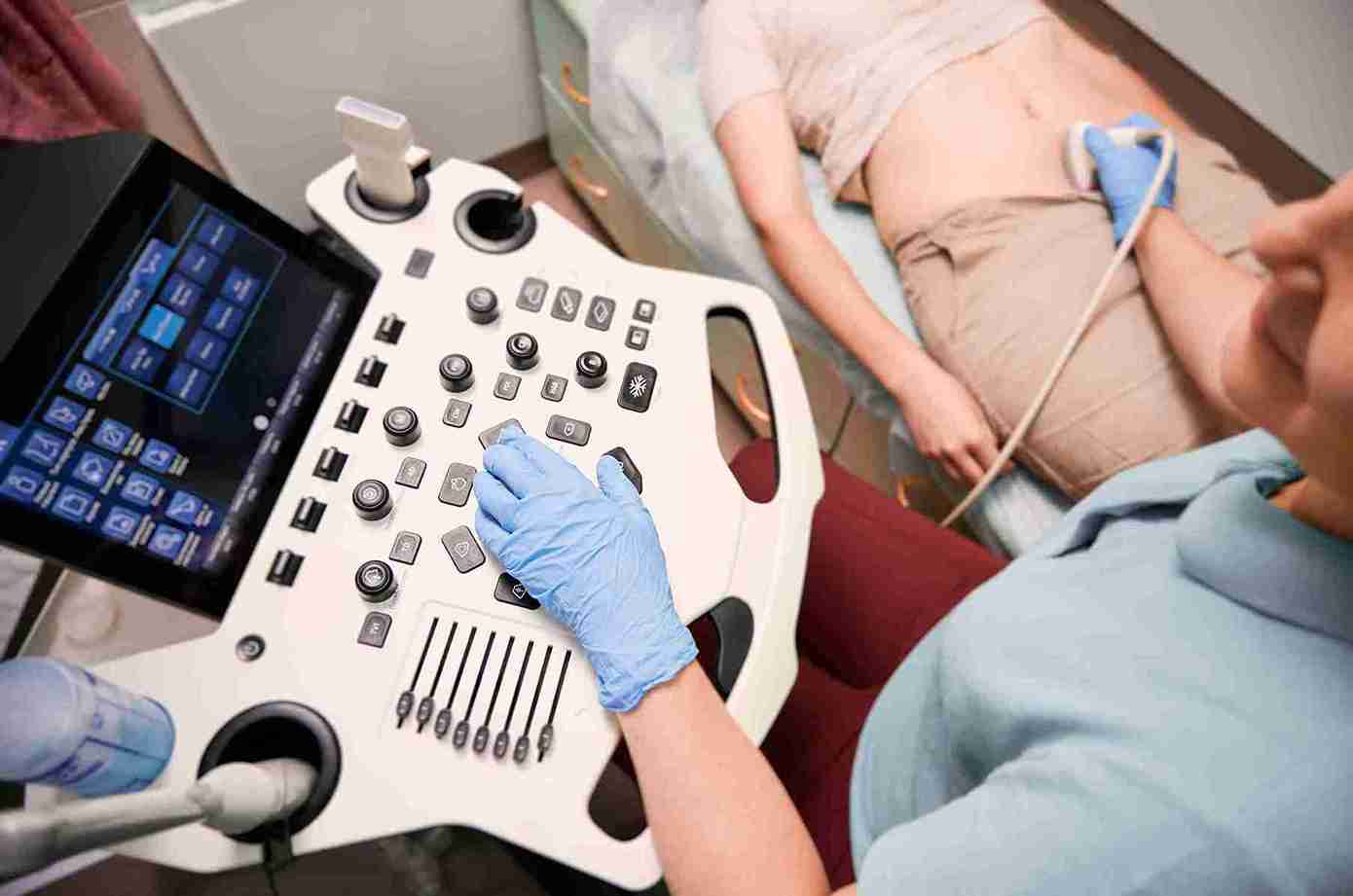
Follicular monitoring scan: A series of short ultrasound scans, typically on cycle days 10, 12, and 14, tracks the growth of the follicle containing your egg and confirms in real time that ovulation has occurred. This is the most accurate method available.
Ovulation induction: If ovulation is absent or irregular, a fertility specialist can prescribe tablets such as Letrozole or Clomiphene to stimulate the ovaries to produce and release an egg, usually alongside monitoring scans.
Treat the underlying cause: Thyroid disorders, PCOS, and high prolactin all respond well to medical treatment, and in many cases, treating the root cause is all that is needed to restore regular ovulation naturally.
When to see a fertility specialist
Self-tracking is a useful first step, but it has clinical limits. If any of the following apply to you, a consultation with a fertility specialist rather than a general gynaecologist is the appropriate next step.
Your situation
What it may indicate
Recommended action
Under 35, trying for 12+ months
Possible ovulatory or structural issue
Fertility evaluation for both partners
Over 35, trying for 6+ months
Age-related decline in egg reserve
Fertility evaluation without delay
Irregular or absent periods
Possible anovulation (no ovulation)
Hormonal panel + ultrasound
No fertile mucus signs at all
Possible cervical or hormonal factor
Specialist review + mucus assessment
Severe ovulation pain
Possible endometriosis or ovarian cyst
Pelvic ultrasound + laparoscopy if needed
Recurrent mid-cycle bleeding
Possible polyp, fibroid or hormonal issue
Gynaecological investigation
If you are in Bangalore, Delhi, Mumbai, Hyderabad, Chennai, Pune, or Chandigarh, Cloudnine Fertility's specialists offer a dedicated fertility assessment, including a hormonal panel, ultrasound, and a personalised cycle analysis to give you a clear picture of your ovulatory health. Book a consultation at your nearest Cloudnine Fertility centre.
What the data says: fertility tracking and conception outcomes
Evidence consistently shows that cycle tracking combined with timed intercourse improves conception rates compared to untracked attempts. The figures below draw on published reproductive medicine research:
~95% accurate for ovulation detection when used correctly
European Journal of Obstetrics & Gynaecology, 2018
Follicular monitoring ultrasound (clinical)
Identifies ovulation in >98% of cycles
FOGSI clinical guidelines, India
Natural conception in women with regular ovulation, under 35
~25–30% per cycle
ICMR Reproductive Health Report, 2022
If you have been tracking your ovulation signs and still have not conceived, the next step is a clinical fertility assessment, not more months of waiting. Cloudnine Fertility's specialists in Bangalore, Delhi, Mumbai, Hyderabad, Chennai, and Pune combine hormonal testing, ultrasound monitoring, and cycle analysis to identify exactly what is happening and what to do next. Book your fertility assessment today.
Find clear, trusted answers to the most common questions about IVF—designed to guide and support you every step of the way.
How to tell if a woman is fertile physically?
The most reliable physical indicators of fertility are changes in cervical mucus, which becomes clear, slippery, and stretchy at peak fertility, combined with a rise in basal body temperature after ovulation. Regular menstrual cycles between 21 and 35 days also indicate consistent ovulation. Additional signs include mild one-sided pelvic pain (Mittelschmerz), breast tenderness, and light mid-cycle spotting. No single sign is definitive in isolation; tracking two or more simultaneously over at least two to three cycles gives the clearest picture.
How do you know if you are very fertile?
Very high fertility is indicated by regular, predictable ovulation each cycle, confirmed through ovulation strip testing, clear egg-white cervical mucus appearing for 3–5 days before ovulation, and a consistent temperature rise in the second half of your cycle. Clinically, a normal egg reserve result (AMH anti-Müllerian hormone, a blood marker that reflects how many eggs you have left), a good follicle count on ultrasound, and balanced hormone levels on a day 2–3 blood test together confirm good ovarian function. A fertility specialist can run these tests and give you a precise, personalised fertility status report.
What body shape is most fertile?
Body shape itself does not determine fertility, but body weight does have a meaningful clinical effect. A BMI in the range of 18.5 to 24.9 is associated with the most regular ovulation and the highest natural conception rates. Women with a BMI above 30 or below 18.5 are more likely to experience cycles where no egg is released at all due to hormonal disruption caused by too much or too little body fat.
How can I check if I am fertile at home?
At home, you can assess fertility through four practical methods. First, track your cervical mucus daily and look for the clear, slippery egg-white consistency that indicates peak fertility. Second, measure your basal body temperature each morning before getting up and look for the post-ovulation rise. Third, use an ovulation test strip available at Indian pharmacies to detect the hormone surge that triggers egg release. Fourth, use a cycle-tracking app consistently for 3 to 4 months to identify whether ovulation is occurring regularly. These methods can confirm ovulation is happening, but cannot assess other fertility factors, such as whether your fallopian tubes are open, sperm quality, or egg health, all of which require clinical testing.