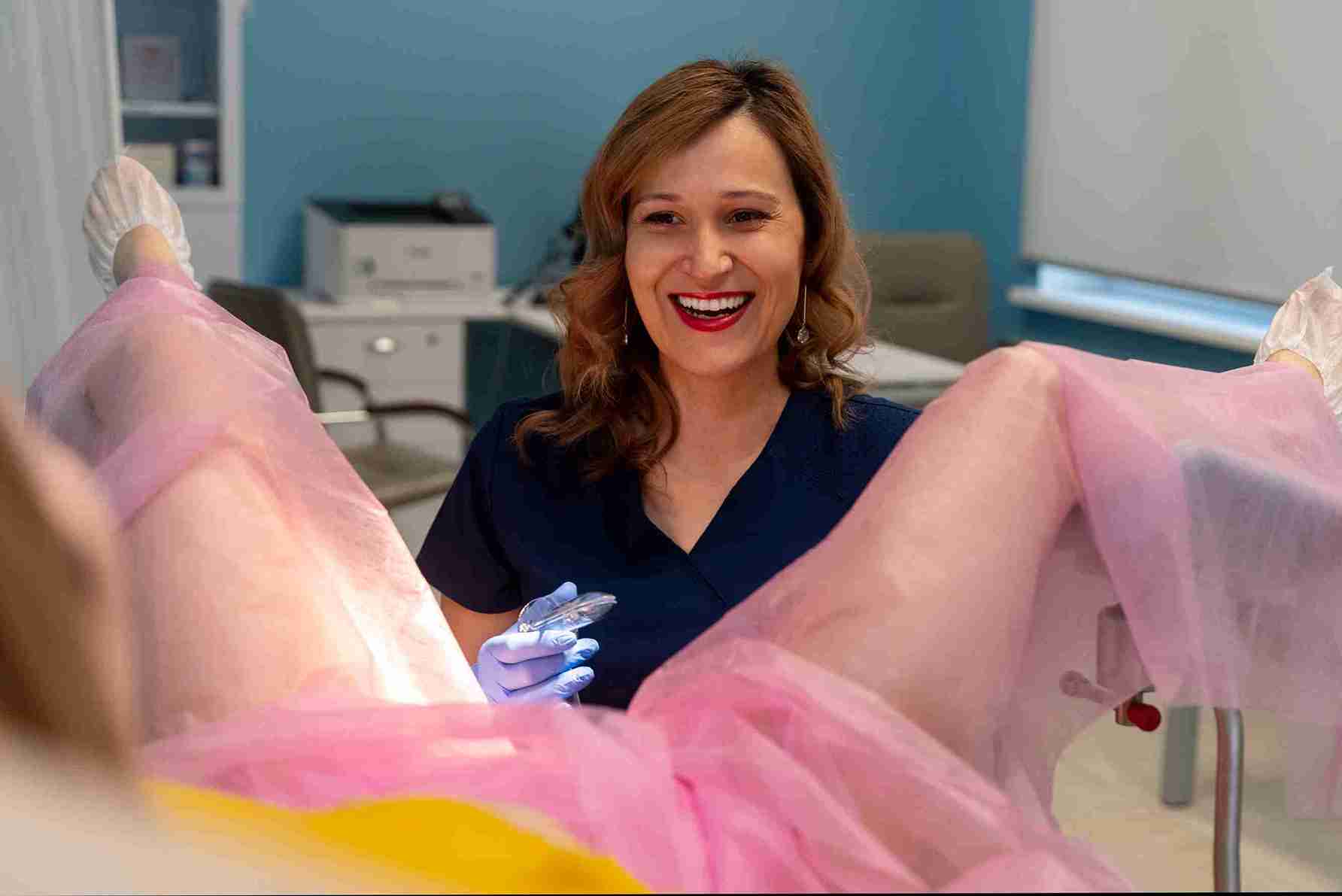
IVF (In vitro Fertilisation) is a treatment in which eggs are collected from the ovaries, fertilised with sperm in a laboratory, and the resulting embryo is transferred into the uterus to establish a pregnancy. One IVF cycle in India takes about 14 to 21 days, with roughly 4 to 6 weeks from the start of stimulation to the pregnancy test.
What is IVF and How Does it Work?
IVF stands for In vitro Fertilisation, from the Latin “in vitro”, meaning “in glass”. It is a form of assisted reproductive technology (ART), the umbrella term for treatments that handle eggs or sperm outside the body. Eggs are collected from the ovaries, combined with sperm in a controlled laboratory, and one healthy embryo is usually transferred back into the uterus. Because fertilisation happens in the laboratory, IVF bypasses the fallopian tubes entirely and allows embryologists to select the embryo most likely to implant. IVF is considered the most successful fertility treatment currently available, but it does not guarantee pregnancy.
Key facts at a glance:
Feature
Details
Full form
In Vitro Fertilisation (IVF)
Meaning
Fertilisation takes place outside the body in a laboratory before the embryo is transferred to the uterus.
Cycle duration
Approximately 14 to 21 days, from ovarian stimulation to embryo transfer.
Total timeline
Approximately 4 to 6 weeks, from the start of ovarian stimulation to the pregnancy test.
Number of stages
Seven main stages: consultation, fertility testing, ovarian stimulation, egg retrieval, fertilisation, embryo culture, and embryo transfer.
Pain level
Usually mild to moderate. Egg retrieval is performed under sedation, and embryo transfer is typically painless.
Regulated by
The Assisted Reproductive Technology (Regulation) Act, 2021, implemented in January 2022.
Why IVF Matters for Indian Couples
Infertility is recognised by the World Health Organisation as a medical condition, and it is common in India. WHO figures place primary infertility prevalence here at roughly 4% to 17%, and an estimated 27 million Indian couples are affected. India also has one of the fastest-growing assisted reproduction sectors in Asia. Since the Assisted Reproductive Technology (Regulation) Act, 2021 came into force in January 2022, every ART clinic and gamete bank must be registered on the national registry. That is good news for access and accountability, but quality, pricing and honesty about success rates still vary widely between centres. Understanding what an IVF cycle actually involves, stage by stage, helps couples decide when to escalate treatment rather than lose years to options unlikely to work for their diagnosis.
The IVF Process Step by Step: All 7 Stages Explained
IVF is not a single procedure. It is a structured sequence of seven stages, each building on the one before. Your fertility specialist will adapt the protocol to your ovarian reserve, age, diagnosis and response to medication. For the full day-by-day version of each stage, see our step-by-step IVF procedure guide.
Stage 1: Initial Consultation and Fertility Testing
Before treatment begins, both partners are evaluated. For women, this means blood tests for AMH (anti-Mullerian hormone, a marker of egg reserve), FSH and LH (hormones that drive egg development) and estradiol, plus a transvaginal ultrasound to count antral follicles (the small resting follicles visible at the start of a cycle) and check the uterine cavity. For men, a semen analysis assesses sperm count, motility and morphology. Serology screening for HIV, hepatitis B and C is required for both partners. These results shape the protocol, the realistic expectations and the likely number of cycles.
Stage 2: Ovarian Stimulation with Hormonal Injections
The ovaries are stimulated with injectable gonadotropins (a class of fertility hormones, typically FSH, sometimes combined with LH) for about 8 to 14 days. In a natural cycle, the body matures a single egg. Stimulation encourages several follicles to mature together, so more eggs are available for fertilisation. During this phase, you visit the clinic every 2 to 3 days for blood tests and ultrasound scans, and the dose is adjusted to your response. When the leading follicles reach approximately 18-20 mm in diameter, the trigger injection is scheduled.
Stage 3: The Trigger Injection and Egg Retrieval
About 34 to 36 hours before retrieval, a trigger injection completes the eggs' final maturation. Egg retrieval is performed under intravenous sedation, so it is not painful. Guided by ultrasound, a fine needle passes through the vaginal wall into each ovary, and the follicular fluid containing the eggs is drawn off. The procedure usually takes 15 to 30 minutes, and you go home the same day. Mild cramping and light spotting for a day or two afterward are normal and expected.
Stage 4: Sperm Preparation and Fertilisation
On the same day, a semen sample is processed in the laboratory to isolate the healthiest, most motile sperm. Fertilisation then happens in one of two ways. In conventional IVF, tens of thousands of prepared sperm are placed in a dish with each mature egg. In ICSI (intracytoplasmic sperm injection), a single sperm is injected directly into each egg. ICSI is indicated where sperm quality is significantly impaired; where sperm parameters are normal, it adds cost without adding benefit. Fertilisation is confirmed the next morning, and typically 60% to 80% of mature eggs fertilise.
Stage 5: Embryo Culture and Development
Fertilised eggs are cultured in an incubator that mimics conditions inside the body, and an embryologist checks them daily. A typical trajectory is a single-cell zygote on day 1, a cleavage-stage embryo of about 4 to 8 cells by day 3, and a blastocyst of roughly a hundred cells or more by day 5. Most well-equipped Indian laboratories prefer day 5 blastocyst transfer over day 3, because reaching day 5 is itself evidence of developmental competence. Where preimplantation genetic testing (PGT) is clinically indicated, a few cells are biopsied from the outer layer of the blastocyst at this point.
Stage 6: Embryo Transfer
Embryo transfer is the simplest stage. The selected embryo is loaded into a thin, flexible catheter that is passed gently through the cervix into the uterine cavity under ultrasound guidance. No sedation is needed. The procedure takes about 5 to 10 minutes and feels similar to a routine gynaecological examination. You rest briefly and can return to normal light activity the same day. Complete bed rest afterward is not recommended and does not improve the chance of success. Progesterone support is prescribed to prepare the uterine lining for implantation.
Stage 7: The Two-Week Wait and Pregnancy Test
About 10 to 14 days after transfer, a beta hCG blood test (a measure of the pregnancy hormone) confirms whether implantation has occurred. If it is positive, the test is usually repeated 48 hours later to check that the level is rising appropriately, followed by an ultrasound at around 6 to 7 weeks to detect the foetal heartbeat. If it is negative, the team reviews the cycle with you and discusses whether a frozen embryo transfer using a surplus embryo or a fresh stimulation cycle is the sensible next step.
Who Needs IVF? Common Causes of Infertility in India
IVF is rarely the first step. It is recommended when simpler treatment such as ovulation induction or IUI has failed, or when a diagnosis makes natural conception unlikely. The most common indications in Indian fertility clinics are:
Blocked or damaged fallopian tubes: the most common structural cause of female infertility in India, often following pelvic infection or previous surgery. IVF bypasses the tubes entirely, so it is often the first-line option.
Male factor infertility: low sperm count, poor motility or abnormal morphology. IVF with ICSI can achieve fertilisation with very few viable sperm, making severe male factor cases treatable.
Ovulation disorders, including PCOS: irregular or absent ovulation that has not responded to simpler treatment. Controlled stimulation produces several eggs in a single cycle.
Endometriosis: lesions and scarring that can reduce egg quality, impair tubal function, and interfere with implantation.
Reduced ovarian reserve or advancing age: IVF collects more eggs in one stimulated cycle, which matters most when time is short.
Unexplained infertility: standard tests are normal, but conception does not happen. IVF can reveal a fertilisation problem that testing cannot detect.
Genetic carrier conditions: couples carrying inherited disorders such as thalassemia may use IVF with PGT so that only unaffected embryos are transferred.
IVF outcomes are shaped by clinical decisions and, to a smaller degree, by lifestyle. Some widely marketed add-ons do not survive scrutiny, so it is worth separating what the evidence supports from what simply adds cost.
Natural and Lifestyle Actions
Reach a healthy weight before starting: body weight at either extreme is associated with poorer response to stimulation and lower live birth rates.
Stop smoking, both partners: smoking reduces ovarian reserve and damages sperm DNA. Stopping several months before a cycle is the single most useful lifestyle change.
Limit alcohol and keep activity moderate: walking and gentle exercise are safe throughout. Intense abdominal training during stimulation raises the risk of ovarian torsion when the ovaries are enlarged.
Eat a balanced diet with adequate protein: a Mediterranean-style pattern is a reasonable default. No single food or macronutrient target has been shown to improve live birth rates.
Be realistic about supplements: Cochrane reviews of antioxidants, including coenzyme Q10, found only very low-certainty evidence and could not confirm any improvement in live births. Correct a documented vitamin D deficiency on your doctor's advice, but do not expect supplements to substitute for clinical factors.
Medical and Clinical Options
Ask about blastocyst (day 5) transfer: embryos that reach day 5 have demonstrated developmental potential, which supports better embryo selection. Ask the clinic for its own blastocyst culture rate.
Prefer single embryo transfer: transferring one good-quality blastocyst avoids the substantial risks of twin pregnancy, including premature delivery, while maintaining strong success rates.
Use frozen embryo transfer when OHSS risk is identified: freezing all embryos and transferring them in a later, unstimulated cycle is safer, and FET yields comparable or better implantation rates than a fresh transfer in a stimulated cycle.
Treat ICSI and PGT-A as indications, not upgrades: ICSI helps in male factor infertility. PGT-A has not been shown in randomised trials to improve cumulative live birth for most patients, and the UK regulator rates it as not supported by good evidence for routine use.
Be cautious about endometrial receptivity testing: a large double-blind randomised trial found that timing transfer by endometrial receptivity testing gave no improvement in live birth compared with standard timing. It should not be sold as a routine fix after a failed cycle.
From approximately ₹3.5 lakh, plus agency fees of ₹70,000 to ₹1 lakh
AMH, FSH, and oestradiol blood tests
Approximately ₹5,000 to ₹6,500
Antral follicle count (AFC) ultrasound
Approximately ₹1,500 to ₹4,000
ICSI premium package, embryo freezing, and PGT
Approximately ₹2.85 lakh to ₹4.50 lakh or more
A single IVF cycle in India generally costs between Rs 1.15 lakh and Rs 2.5 lakh all in, with stimulation medicines and laboratory add-ons usually billed separately. The figures below cover the tests and procedures named in this guide.
Cost varies with city, clinic, protocol, and the number of cycles needed. The headline package price rarely covers everything, so ask for an itemised, all-inclusive estimate before you start. For the full city-by-city breakdown and what each stage costs, see our guide to IVF cost in India, and for EMI, loans and insurance, our guide to paying for IVF.
When Should You See a Fertility Specialist?
The most common mistake couples make is waiting too long before a first consultation. Age is the strongest single factor in IVF success, so the cost of delay is real. Use the table below to judge when to act.
Fertility Scenario
Age Group
Recommendation
Trying to conceive without success
Under 35 years
Consult a fertility specialist after 12 months of regular, unprotected intercourse.
Trying to conceive without success
35 to 40 years
Consult a fertility specialist after 6 months of trying.
Trying to conceive without success
Above 40 years
Seek a fertility consultation without delay.
Diagnosed with PCOS, endometriosis, or blocked fallopian tubes
Any age
Consult a fertility specialist early rather than waiting 12 months to conceive naturally.
Male partner has a low sperm count or reduced sperm motility
Any age
Both partners should undergo a fertility evaluation together from the outset.
Recurrent miscarriage (two or more pregnancy losses)
Any age
Seek referral for a comprehensive fertility evaluation, including genetic and hormonal testing.
If you have been trying to conceive for more than six months without success, book a fertility consultation. A first fertility consultation and a semen analysis are the usual starting points, and early assessment prevents years of unnecessary delay.
IVF Success Rates in India by Age
A woman's age at egg retrieval is the strongest predictor of outcome, because it drives egg quality and the proportion of chromosomally normal embryos. The figures below are realistic live birth rates for a single cycle using her own eggs.
Age of Woman
Live Birth Rate per Cycle
Under 35 years
Approximately 40% to 50%
35 to 37 years
Approximately 35% to 40%
38 to 40 years
Approximately 25% to 30%
41 to 42 years
Approximately 10% to 15%
Over 42 years
Less than 10%
Want to consult the best fertility in india? Please find the links below.
IVF is not significantly painful, though some stages involve discomfort. The daily hormone injections during stimulation feel like routine subcutaneous injections, and most patients administer them at home after brief training. Egg retrieval is performed under intravenous sedation, so nothing is felt during the procedure itself. Mild cramping and bloating for a day or two afterward are common and similar to period pain. Embryo transfer needs no anaesthesia and is usually compared to a cervical smear test.
How long does one IVF cycle take?
A single cycle from the start of ovarian stimulation to embryo transfer takes about 14 to 21 days, and roughly 4 to 6 weeks to the pregnancy test. The wider journey, including diagnostic testing and protocol planning before the cycle begins, commonly spans 6 to 8 weeks. If a frozen embryo transfer is planned rather than a fresh one, expect a gap of about 4 to 6 weeks between the retrieval cycle and the transfer cycle.
What is the difference between IVF and ICSI?
IVF and ICSI differ only at the point of fertilisation. In conventional IVF, prepared sperm and eggs are placed together in a dish and fertilisation happens on its own. In ICSI, a single sperm is injected directly into each egg using a fine needle under a high-powered microscope. ICSI is recommended when sperm count or motility is low, when a previous cycle showed poor fertilisation, or when sperm is retrieved surgically. It does not improve outcomes when sperm parameters are normal, so the decision should follow your semen analysis rather than habit.
How many IVF cycles will I need?
The number of IVF cycles needed depends on factors such as age, diagnosis, embryo quality, and uterine response. Some couples conceive on the first cycle, and others need two or three. Because cumulative success rises across attempts, many specialists advise planning for the possibility of more than one cycle from the outset, both financially and emotionally, rather than approaching IVF one cycle at a time. Your team should review the response after each cycle and adjust the protocol accordingly.
Schedule your consultation Today!
Book your consultation with our fertility experts the first step toward your parenthood journey.