Sharp pelvic pain on one side can be alarming. It often leaves women wondering whether it is simply ovulation or something more serious, like an ovarian cyst. Understanding the difference between these two causes is important. This guide will help you identify your symptoms and know when to seek medical care.
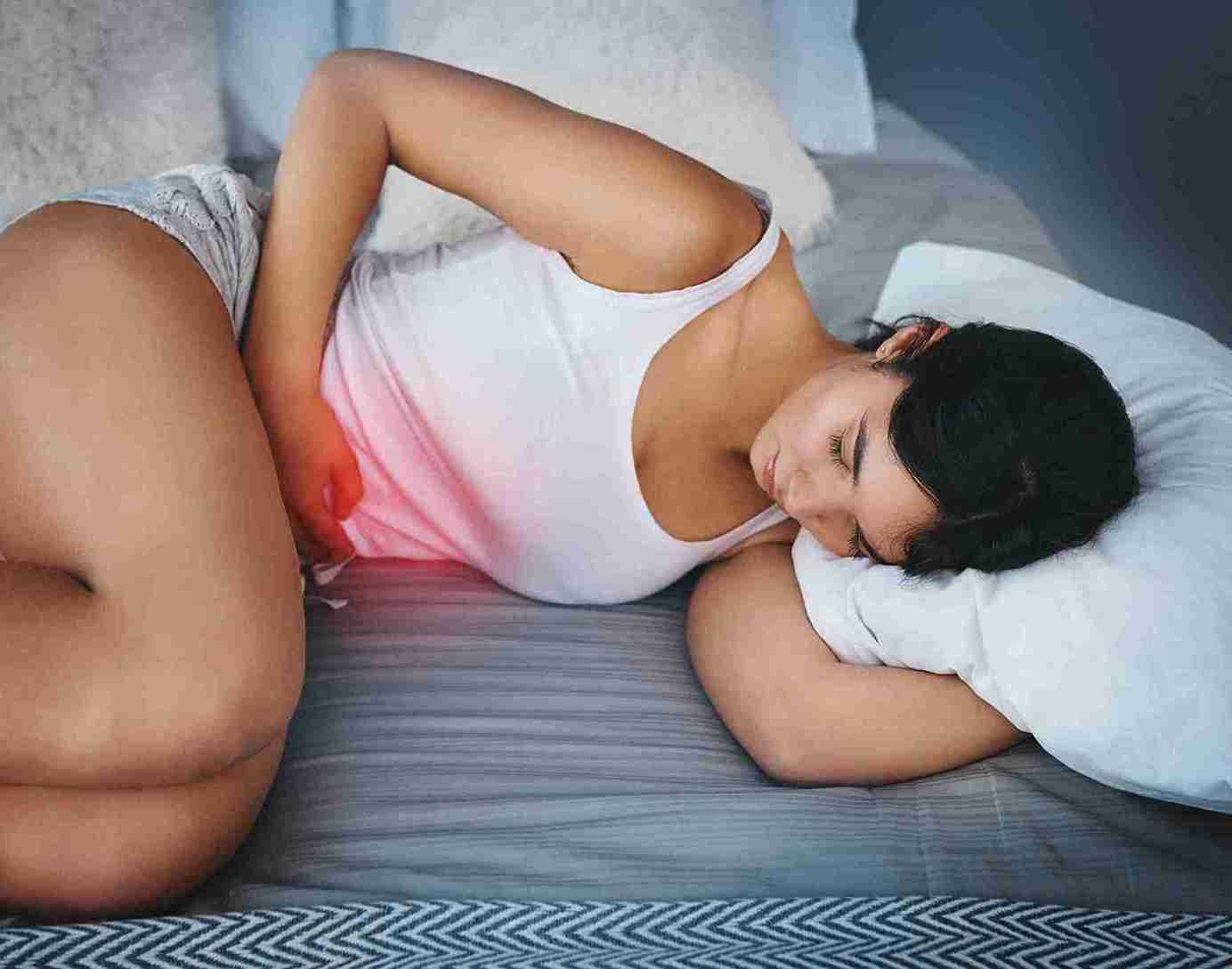
One-sided pelvic pain usually points to something happening with one of your ovaries. You have got two ovaries, one on each side. They take turns releasing eggs each month. So when something is up with one of them, you feel it on that side. The two most common causes? Ovulation and ovarian cysts. Let us break down how to tell them apart.
Ovulation pain (doctors call it mittelschmerz, a German word for "middle pain") happens when your ovary releases an egg. About 20% of women feel this pain regularly.
Sharp twinge or cramp on one side
Dull, achy feeling that lasts for a few hours to a couple of days
Sometimes, a feeling of fullness or pressure
Might come with light spotting
Switches sides month to month (whichever ovary is releasing the egg)
The pain usually shows up mid-cycle, around day 14 if you have a 28-day cycle. So if your period started two weeks ago and you are getting pelvic pain that matches this timing, it's probably ovulation.
As the ovary releases an egg, the small fluid-filled sac surrounding it breaks open. This can:
Stretch your ovary slightly
Release a bit of fluid or blood that irritates nearby tissues
Cause muscle spasms in your pelvis
For most women, this is mildly uncomfortable at worst. You pop some paracetamol and get on with your day.

Ovarian cysts are fluid-filled sacs on or inside your ovaries. They are common; most women get them at some point. Your body actually makes cysts every month as part of ovulation. Usually, they break down and disappear on their own. Problems start when:
The cyst keeps growing instead of disappearing
It bursts (ruptures)
It causes your ovary to twist (torsion)
Constant dull ache that doesn't go away
Sharp, stabbing pain if the cyst bursts
Feeling of pressure or fullness in your belly
Bloating that makes your clothes feel tight
Pain during sex (especially deep penetration)
Discomfort when passing stool
Nausea or vomiting
Unlike ovulation pain that lasts a day or two, cyst pain can drag on for weeks.
Here is a quick guide:
The pain happens mid-cycle
It lasts less than 2 days
It is manageable with regular painkillers
It alternates sides each month
You can carry on with your normal routine
The pain does not match your cycle timing
It is getting worse instead of better
It was going on for more than a few days
You feel bloated or pressure in your belly
Sex has become painful
You are nauseous or running a fever

Most cysts are harmless. But sometimes they rupture or cause your ovary to twist. This needs immediate medical attention. Rush to the doctor or hospital if you have:
Sudden, intense pain that makes you double over
Pain with fever and vomiting
Feeling dizzy or lightheaded
Fast breathing or rapid heartbeat
Pain so bad you can't walk or talk
Go to the nearest hospital emergency department as a twisted ovary (torsion) can cut off the blood supply. If not treated quickly, you could lose the ovary. A ruptured cyst can cause internal bleeding. These are serious.
Your doctor will ask: When did the pain start? Where is it? How bad is it?
Then they will do a pelvic exam and might order an ultrasound (shows cysts and size), blood tests (check pregnancy, hormones, infection), or a urine test (rules out bladder infections).
No. Most cysts go away within 2-3 months. Your doctor will suggest watching and checking again in 6-8 weeks. You might need treatment if the cyst is larger than 5 cm, does not shrink, looks weird on scans, causes problems, or shows up after menopause.
Treatment would be birth control pills, surgery to remove the cyst, or removing the ovary if it is very large. You can't prevent cysts, but hormonal birth control stops new ones from forming.
Whether it is ovulation or a small cyst, here's what helps:
Heat: Hot water bottle or heating pad on your lower belly.
Pain relief: Paracetamol or ibuprofen from any chemist.
Rest: Lie down for a bit.
Gentle movement: Light walking or yoga. Don't overdo it at the gym.
Avoid heavy lifting for a few days until the pain settles.
Cysts can mess with your cycle, irregular periods, heavier or lighter bleeding, worse cramps, or spotting between periods. If your periods have gone weird along with the pain, see a doctor.
Not really. They are part of normal ovarian function. But hormonal birth control can stop you from ovulating, which means no new cysts form. Talk to your doctor if cysts are a recurring problem for you.

Sharp pain on one side of your pelvis is usually ovulation or a harmless cyst. Most of the time, it will sort itself out. But don't ignore your body. If the pain is severe, worsening, or accompanied by other concerning symptoms, get checked. Better to find out it's nothing than to ignore something that needs treatment. You know your body best. Trust your gut. If something feels off, it probably is.