_11zon.jpeg)
Progesterone is an important sex hormone in women. It is responsible for menstruation and pregnancy. Low progesterone levels can cause issues like irregular menstruation, mood swings, and difficulty in getting pregnant.
Progesterone is secreted in the ovaries after ovulation. It prepares the uterus by thickening its lining to support implantation of the fertilised egg. If no fertilised egg is received, the other hormones increase, leading to a menstrual period during which the lining is shed. Progesterone levels decrease during periods and rise again as it draws closer to the next ovulation.
Implantation is the process of the fertilised egg attaching to the uterine lining. When fertilisation happens, a zygote forms and develops into an embryo. This embryo will travel down the fallopian tube and enter the uterine cavity. If the uterine cavity lining is thick enough, the egg can implant or attach. After implantation, the placenta forms, and the pregnancy continues to develop.
When implantation does not occur, the egg, even if fertilised, will be expelled from the body along with menstrual blood and tissue.
Implantation may not happen for various reasons, including
● Poor egg quality
● Chromosomal abnormalities
● Age of the mother
● Uterine conditions (Polyps, scarring, infections)
● Uterine lining affected by hormones
● Lifestyle factors.
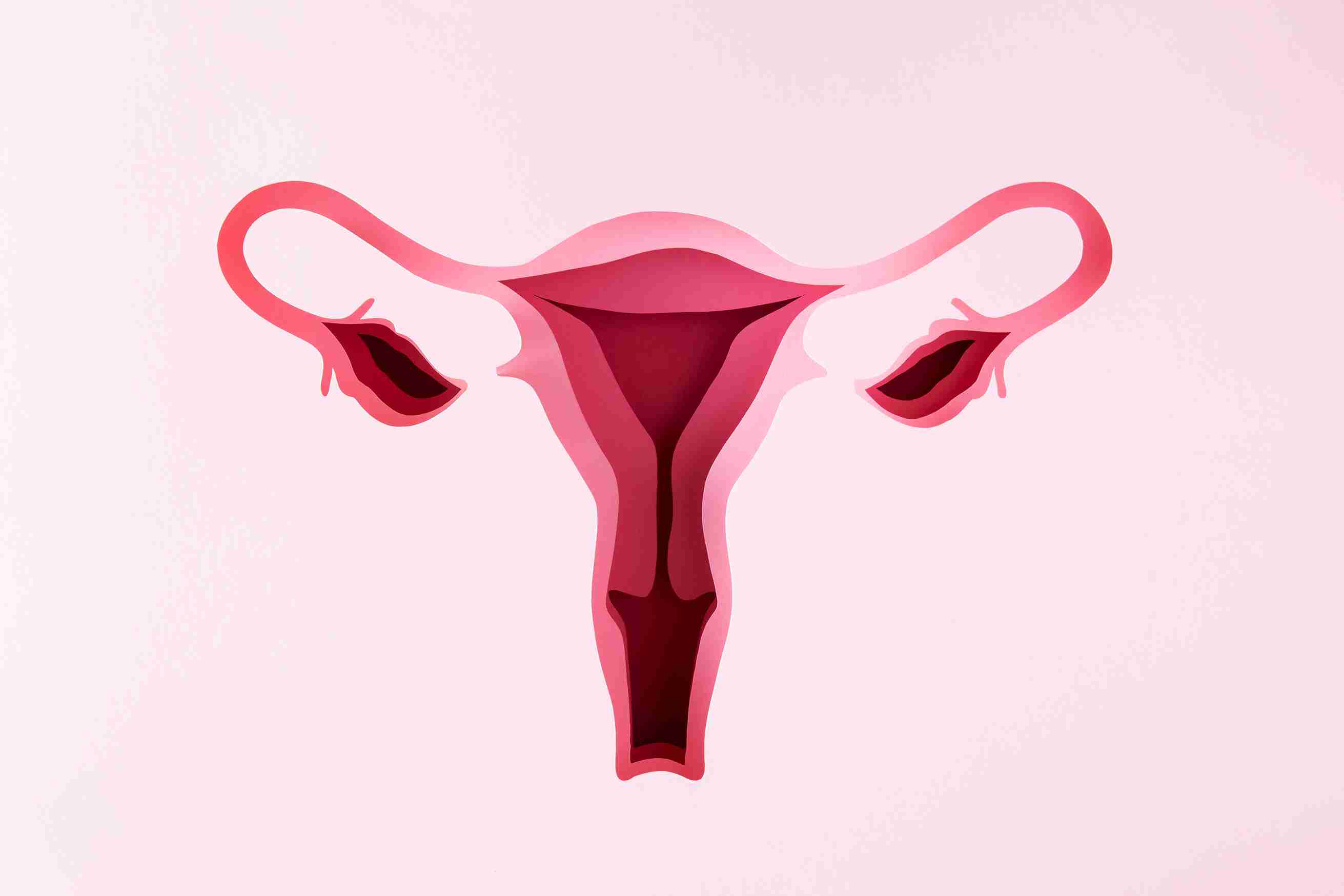
Progesterone is an important hormone produced by the ovaries. After ovulation, progesterone thickens the uterine lining, preparing it to receive a fertilised egg for pregnancy. When no egg is received, the uterine lining sheds during menstrual periods.
Progesterone aids implantation in the following ways –
● Uterine Lining – Progesterone levels increase after implantation to help the uterine lining thicken and remain thickened throughout the pregnancy.
● Nourish Embryo – Progesterone stimulates glycogen production in the endometrial glands, which helps nourish the embryo.
● Suppresses LH – Luteinising Hormones – LH is responsible for ovulation. LH stimulates egg release and increases the levels of other hormones required for menstruation. High progesterone levels help suppress LH secretion, which in turn prevents ovulation and menstruation.
● Prevents Contractions – Progesterone levels remain high throughout pregnancy, helping prevent uterine contractions. While mild cramps are common in pregnancy, contractions can lead to an early delivery or other complications in the pregnancy.
The placenta forms after successful implantation and takes over progesterone production. Progesterone levels remain high and continue to increase throughout each trimester to ensure the uterine lining is thick and supports the developing embryo. This hormone also nourishes the embryo and facilitates the baby's development.
After delivery, once the uterine lining or the corpus luteum sheds, progesterone levels begin to decline. If progesterone decreases during pregnancy, it can lead to complications like miscarriages or preterm labour.
All hormones in the body work in sync. A slight excess or deficiency of one hormone can throw the entire balance out of sync. Only a hormone test can determine whether progesterone levels are low and, if so, to what extent. When progesterone decreases, estrogen will increase; this, in turn, can lead to weight gain, heavy periods, a decrease in libido, depression, and issues with the gall bladder.
Some other signs of low progesterone that can be mistaken for other health issues are –
● Irregular periods
● Headaches
● Sleeping difficulties
● Mood swings
● Anxiety or depression
● Hot flashes
● Bloating
Progesterone is crucial for pregnancy as it prepares the uterus for implantation. When progesterone is low, it can delay pregnancy or result in miscarriages. If you are unable to conceive or experience early miscarriages, you should get your hormone levels tested clinically.
Low progesterone levels can be due to the following reasons –
● PCOS – PCOS can cause small cysts to form in the ovaries, thus interfering with progesterone production.
● Thyroid Issues – An underactive or overactive thyroid can interfere with the body’s ability to produce progesterone, among other hormones.
● High Cortisol – Cortisol is a stress hormone. Too much of this hormone can negatively impact the progesterone levels.
● Low Cholesterol – While high cholesterol levels can be dangerous to the body in many ways, low cholesterol can impact progesterone production.
● Extreme Diet and Exercise – Extreme dieting or excessive exercise can raise cortisol levels and lower progesterone levels.
Now, coming to the main question. Does a low progesterone level indicate the implantation failed?
In an IVF, the body would be pumped with hormones, including progesterone, to stimulate the thickening of the uterine lining. A few days after embryo transfer, low progesterone levels are a strong indication that implantation did not occur.
In the case of natural conception, there is no way to determine if the egg was fertilised and resulted in an embryo healthy enough to implant. Low progesterone indicates pregnancy possibilities are low, but it may not necessarily be just an implantation failure.
If the progesterone levels are very low, it can even lead to anovulation – meaning no ovulation occurred. So, when no egg is released, fertilisation and implantation cannot happen. For some women, it can just mean their cortisol levels are too high and are interfering with the progesterone secretion.