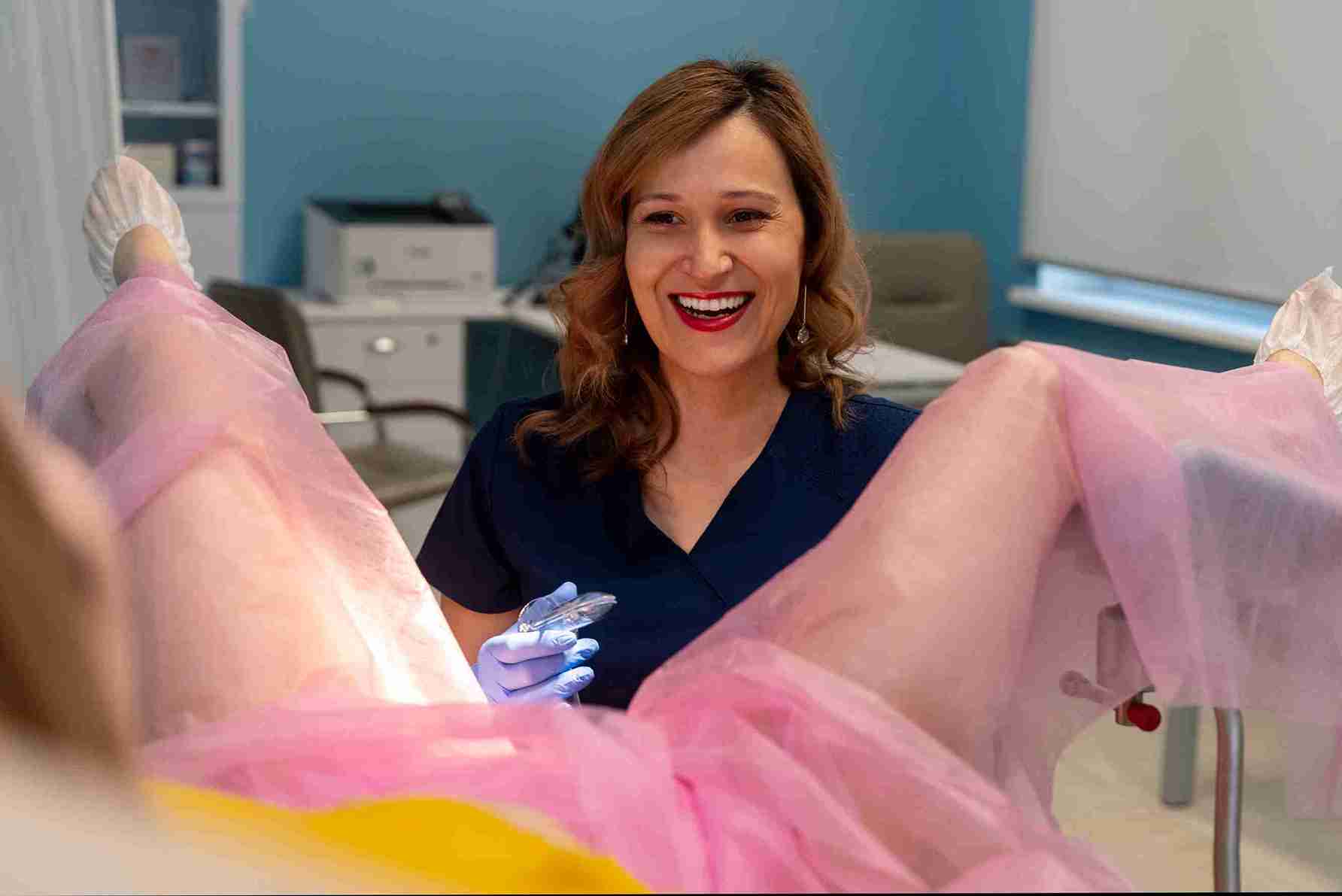
Do you know that many couples have successfully conceived a healthy baby even after multiple IVF failures? IVF treatments are not always successful. It fails at times. If you suffer from repeated IVF failure, you are not alone. Make sure you come out of the emotional trauma that you go through due to an IVF failure. Stop worrying about the past and get medical help to know the exact reason for the failed IVF. You can very well opt for other assisted reproductive technologies like embryo transfer, artificial insemination and others when facing trouble in getting pregnant through IVF. Read to know in detail the underlying causes of IVF failure and other ways to conceive.
Firstly, you must know about the actual IVF process to understand IVF failure. In-vitro Fertilization(IVF) is one of the popular assisted reproductive technologies where the egg and sperm are collected from the couple and allowed to fertilise in a lab. The fertilised egg is inserted into the uterus. When the embryo implants in the uterus lining, there are chances that you get pregnant. IVF is a lengthy process, and it involves medications and surgery. You may have to go for multiple IVF cycles for a successful pregnancy.
What is IVF Failure?
You can tell that your IVF cycle has failed when you do not get pregnant. IVF failure is nothing but the transferred embryo does not get implanted or grow into a viable embryo. Here are signs of unsuccessful IVF.
Failed Embryo Transfer: This is a condition where embryo transfer in the IVF process fails for several reasons.
Failed Embryo Implantation: The embryo transferred into the uterine cavity fails to implant in the walls of the uterus.
Embryo Growth Failure: In some cases, the implanted embryo does not grow, resulting in IVF failure.
Things to Expect After IVF Failure
Couples who find it difficult to conceive naturally opt for the IVF procedure with the hope of getting pregnant. Only 40% of women under 35 years conceive through the IVF process. So, if you suffer from repeated IVF failure, you are not alone. Here are things you can expect after a failed IVF.
Your body goes through a lot of physical and emotional changes after a failed IVF cycle
You may experience physical discomfort for a few weeks after the IVF failure.
The intake of hormonal drugs can take an extra toll on your body and mind.
What to Do After IVF Failure?
You may feel completely devastated after a failed IVF. So, you must take care of your mental well-being after a failed IVF. Give time for both your body and mind to heal. Wait for at least 4 to 6 weeks before you try for the baby naturally, or go for the next IVF cycle. If you face multiple IVF failures, think about consulting a fertility specialist. Here are things you can do to cope with recurring IVF failure.
Go for infertility counselling, where you can discuss your feelings and concerns. Infertility counsellors would educate you on ways to manage emotions and let go of your feelings.
Consult a fertility specialist who can help you diagnose the actual reason for IVF failure.
Connect with couples who have suffered from multiple IVF failures.
Explore other fertility procedures or treatments that help you get pregnant.
Each body is different, and IVF does not work for all. So try other assisted reproductive technology techniques if you wish to expand your family.
Intrauterine Insemination: In this fertility procedure, semen is collected from your partner and injected into the uterine cavity. This is a simple procedure, and the success rate is 15% per cycle.
Intra Cytoplasmic Sperm Injection: This is an advanced reproductive technique where the egg and sperm are collected, and a single sperm is injected into a developing egg. Men with unusual semen parameters like low sperm quality and low sperm mobility can opt for this technique for a successful pregnancy.
Assisted Hatching: This is a recent technique where the embryo is hatched, which increases the chance of proper implantation of the embryo.
Surrogacy: In this procedure, the egg and sperm of the couple or donor are collected and fertilised in the lab. The fertilised embryo is injected into the uterus of the surrogate mother. This procedure is opted for when women face repeated embryo implantation failure in IVF cycles.
Want to consult the best fertility in india? Please find the links below.
1. What happens to your body after a failed IVF cycle?
Your body goes through several changes after a failed IVF cycle. The intake of hormonal medicines may affect the following menstrual cycle. You may experience discomfort after a failed IVF. It takes time for your body and mind to heal from the effects of the procedure.
2. Should I try naturally after a failed IVF?
Yes, you can try naturally to conceive after a failed IVF. There are better chances of conceiving as the past intake of ovarian stimulation drugs may help you conceive naturally after a failed IVF.
3. What is the main reason for IVF failure?
The main reasons for IVF failure are poor egg quality and low sperm quality.
4. Is there hope after failed IVF?
Yes, there is always hope after a failed IVF. It is said that failed IVF increases the chances of getting pregnant naturally. Also, knowing the exact cause of IVF failure can help treat the underlying condition, increasing the chance of conceiving. There are also other assisted fertility procedures that you can opt for after a failed IVF for a successful pregnancy. So, never lose hope after a failed IVF.
Schedule your consultation Today!
Book your consultation with our fertility experts the first step toward your parenthood journey.