ICSI (intracytoplasmic sperm injection) is an advanced IVF technique in which a single healthy sperm is injected directly into a mature egg to achieve fertilisation. It is used mainly for male infertility. In India, one ICSI cycle typically costs about ₹1.2 to ₹2.5 lakh, with fertilisation rates of around 70 to 85 out of every 100 eggs injected.
What is ICSI?
ICSI (intracytoplasmic sperm injection) is a specialised form of IVF. In conventional IVF, an egg is placed in a dish with thousands of sperm and fertilisation happens on its own. In ICSI, an embryologist selects one healthy sperm and injects it straight into the egg with a fine glass needle, bypassing the natural barriers to fertilisation. Every other step, from ovarian stimulation to embryo transfer, is the same as standard IVF. For a fuller side-by-side, see how IVF and ICSI compare.
Feature
Conventional IVF
ICSI (Intracytoplasmic Sperm Injection)
Fertilisation
Sperm fertilise the egg naturally in the laboratory culture dish.
A single sperm is injected directly into each mature egg using a fine microneedle.
Best suited for
Tubal-factor infertility, ovulation disorders, unexplained infertility, and other non-male-factor infertility.
Male-factor infertility, previous fertilisation failure, surgically retrieved sperm, or severe sperm abnormalities.
When is ICSI needed, and when is it not?
ICSI was developed to solve one specific problem: sperm that cannot fertilise an egg on their own. That is why its clear benefit is in male-factor infertility, very low or poor-quality sperm, surgically retrieved sperm, and cycles where fertilisation failed before. Here is the honest part that many pages leave out: for couples with normal sperm and non-male-factor or unexplained infertility, large randomised trials and professional guidance show that routine ICSI does not improve pregnancy or live-birth rates over standard IVF. It reliably prevents fertilisation failure, but it mainly adds cost when there is no male-factor reason to use it. A good specialist recommends ICSI when there is a reason to do so, not by default. If male-factor infertility is the concern, our guide to male infertility and low sperm count explains the tests that decide this.
How the ICSI procedure works, step by step
An ICSI cycle takes about four to six weeks from the first injection to the pregnancy test. The stages are:
1. Fertility evaluation
Both partners are assessed, typically with hormone tests, an ultrasound, ovarian reserve markers, a semen analysis, and infectious-disease screening, so the plan fits your specific situation.
2. Ovarian stimulation
The woman receives hormone injections for roughly 10 to 12 days to produce several eggs at once, with follicle growth monitored by ultrasound and blood tests.
3. Trigger and egg retrieval
When the follicles are ready, a trigger injection matures the eggs, and they are collected about 34 to 36 hours later in a short procedure under sedation that usually takes 15 to 30 minutes.
4. Sperm collection
A semen sample is provided on the same day. If there is no sperm in the semen, it can be retrieved surgically (by TESA, PESA or Micro-TESE). A sperm DNA fragmentation (DFI) test may also guide sperm selection in some cases.
5. The injection (ICSI)
In the laboratory, the embryologist selects a single healthy sperm and injects it into each mature egg using a microscopic needle. This is the step that makes ICSI different from IVF.
6. Embryo culture and transfer
Fertilised eggs are grown for three to five days, the healthiest embryo is chosen, and it is placed into the uterus through a thin catheter in a quick, usually painless transfer. Any surplus good embryos can be frozen for later.
7. Pregnancy test
A blood beta-hCG test about 12 to 14 days after the transfer confirms whether the cycle has worked.
Who needs ICSI?
Your specialist may recommend ICSI if you have:
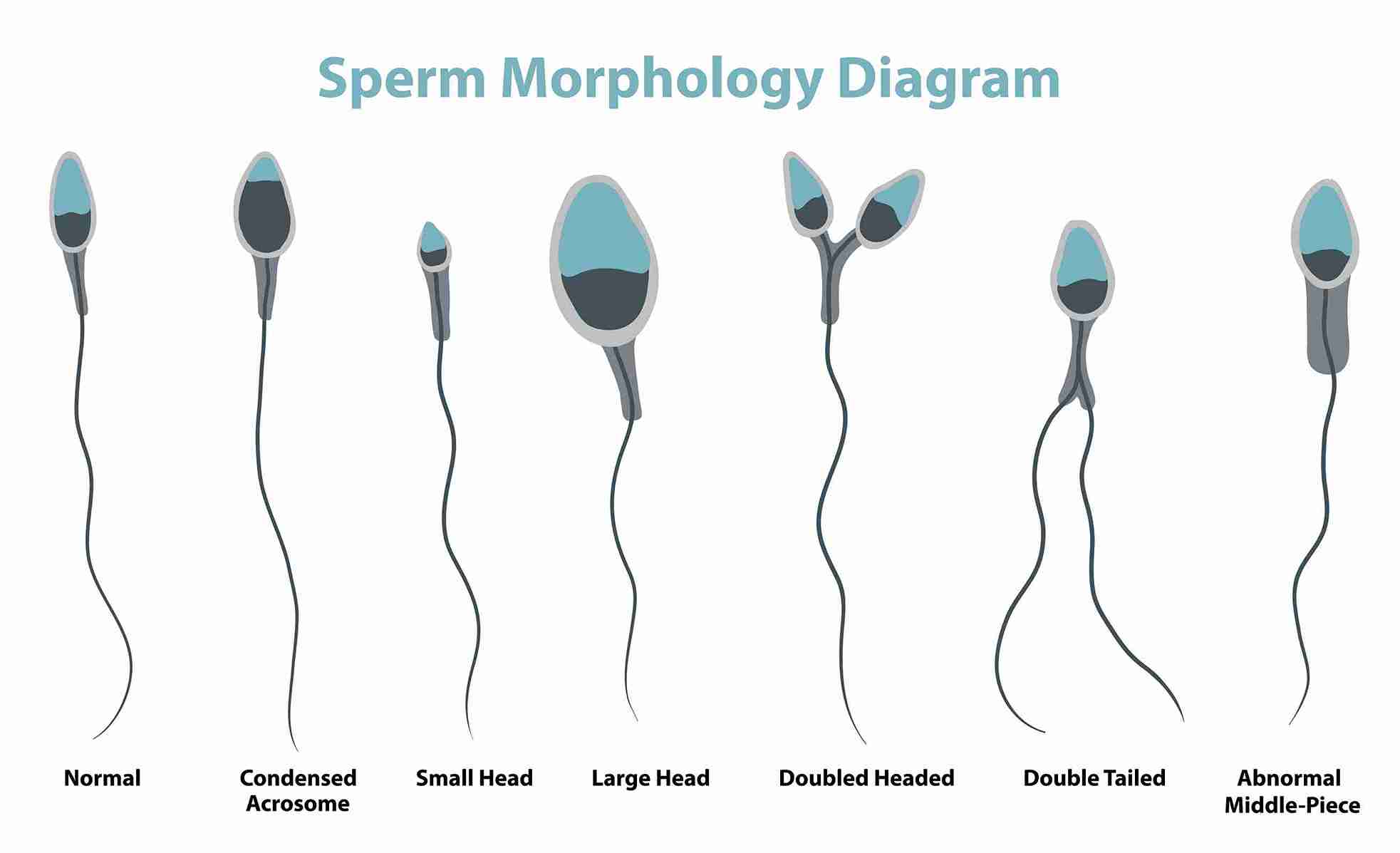
Low sperm count, poor motility or abnormal shape: the classic male-factor reasons ICSI was designed for.
No sperm in the ejaculate: sperm retrieved surgically (TESA, PESA or Micro-TESE) is almost always used with ICSI.
A previous IVF fertilisation failure: where eggs did not fertilise with conventional IVF.
Very few or frozen sperm: including sperm banked before cancer treatment, since only one sperm per egg is needed.
Planned genetic testing (PGT): ICSI is often preferred so that stray sperm DNA does not interfere with the test.
Not usually needed for non-male-factor infertility: if sperm are normal, standard IVF is just as effective and less expensive.
What affects your chances, and how to improve them
What drives ICSI success
The biggest factor is the woman’s age, because it shapes egg quality. Sperm quality, embryo quality, the health of the uterus, and the experience of the embryology laboratory all matter too. ICSI raises the chance that an egg fertilises; it cannot fix egg or embryo quality.
How to give a cycle its best chance
Choose a centre with an experienced, well-equipped embryology laboratory.
Treat modifiable factors first: stop smoking, reach a healthy weight, and manage conditions such as thyroid or diabetes.
Ask about single embryo transfer to avoid the risks of twins while keeping good success rates.
Set realistic expectations: it may take more than one cycle, and success falls with age.
How much does ICSI cost in India?
ICSI costs a little more than conventional IVF because of the extra laboratory step, but most of the bill sits in the stimulation medication and monitoring, which are the same for both. A full ICSI cycle at Cloudnine Fertility runs about ₹1.15 to ₹2.5 lakh (audited), depending on the city, your medication dose and any add-ons. The figures below are from Cloudnine Fertility’s audited pricing. Because packages bundle items differently, treat the all-in range as the best single guide rather than adding the components together. For how this compares with standard IVF, see the full cost of IVF in India.
ICSI Cost Component
Indicative Cloudnine Fertility Cost
Full ICSI cycle (all-inclusive)
Approximately ₹1.15 lakh–₹2.5 lakh
Ovarian stimulation medication (part of the treatment cycle)
Approximately ₹70,000–₹95,000
Frozen Embryo Transfer (FET), if performed later
Approximately ₹35,000–₹60,000
Semen analysis
Approximately ₹470–₹1,800
Sperm DNA Fragmentation (DFI) Test
Approximately ₹7,000
If sperm must be retrieved surgically, that is billed separately (audited):
ICSI is a decision for you and your fertility specialist together, guided by your test results rather than a default choice. The table is a quick guide.
Your Situation
Likely Recommendation
Semen analysis shows a low sperm count, poor motility, or abnormal morphology
ICSI is usually recommended to improve the chances of fertilisation.
No sperm found in the ejaculate (azoospermia)
Surgical sperm retrieval (such as PESA, TESA, or micro-TESE) followed by ICSI is usually recommended.
Eggs failed to fertilise during a previous IVF cycle
ICSI is commonly recommended for the next treatment cycle.
Normal sperm parameters with non-male-factor infertility
Standard IVF is usually sufficient; routine ICSI generally offers no additional benefit and may increase treatment cost.
To find out whether ICSI is right for you, book an ICSI consultation with a Cloudnine Fertility specialist, who will base the recommendation on both partners’ tests.
ICSI success rates: fertilisation is not the same as a baby
This is where many guides mislead. The often-quoted 80 to 85 percent is the fertilisation rate, the share of injected eggs that fertilise, not the chance of a baby. Clinical pregnancy per embryo transfer is lower and falls with age. The figures below are indicative and should be confirmed against your centre’s own audited outcomes.
Measure
Approximate Rate
Fertilisation rate (eggs successfully fertilised after ICSI injection)
Approximately 70%–85%
Clinical pregnancy per embryo transfer (women under 35 years)
Approximately 50%–60%
Clinical pregnancy per embryo transfer (women aged 35–37 years)
Approximately 40%–50%
Clinical pregnancy per embryo transfer (women aged 38–40 years)
Approximately 25%–35%
Clinical pregnancy per embryo transfer (women over 40 years)
Approximately 10%–20%
Want to consult the best fertility in india? Please find the links below.
ICSI stands for intracytoplasmic sperm injection. It is an advanced form of IVF in which an embryologist injects a single healthy sperm directly into a mature egg using a fine glass needle, rather than leaving many sperm to fertilise the egg on their own. It is used mainly for male-factor infertility.
Which is cheaper, IVF or ICSI?
Conventional IVF is usually a little cheaper than ICSI, because ICSI adds a specialised laboratory step that injects each egg individually. In India, the difference is modest, since most of the cost sits in the stimulation medication and monitoring, which are the same for both. ICSI is worth the extra cost only when there is a clear reason for it, such as male-factor infertility.
Is ICSI painful for women?
No. The woman’s part of ICSI is the same as IVF. Egg retrieval is done under sedation or light anaesthesia, so you do not feel it, and the embryo transfer a few days later is a quick, usually painless procedure that does not need anaesthesia. Mild bloating or cramping afterwards is normal.
How many eggs are needed for ICSI?
Only one healthy sperm is needed for each egg, but several eggs are usually collected in one cycle so that a few good embryos can be created. The exact number depends on your age and ovarian reserve, and your specialist aims for a safe, healthy response rather than the highest possible egg count.
Schedule your consultation Today!
Book your consultation with our fertility experts the first step toward your parenthood journey.