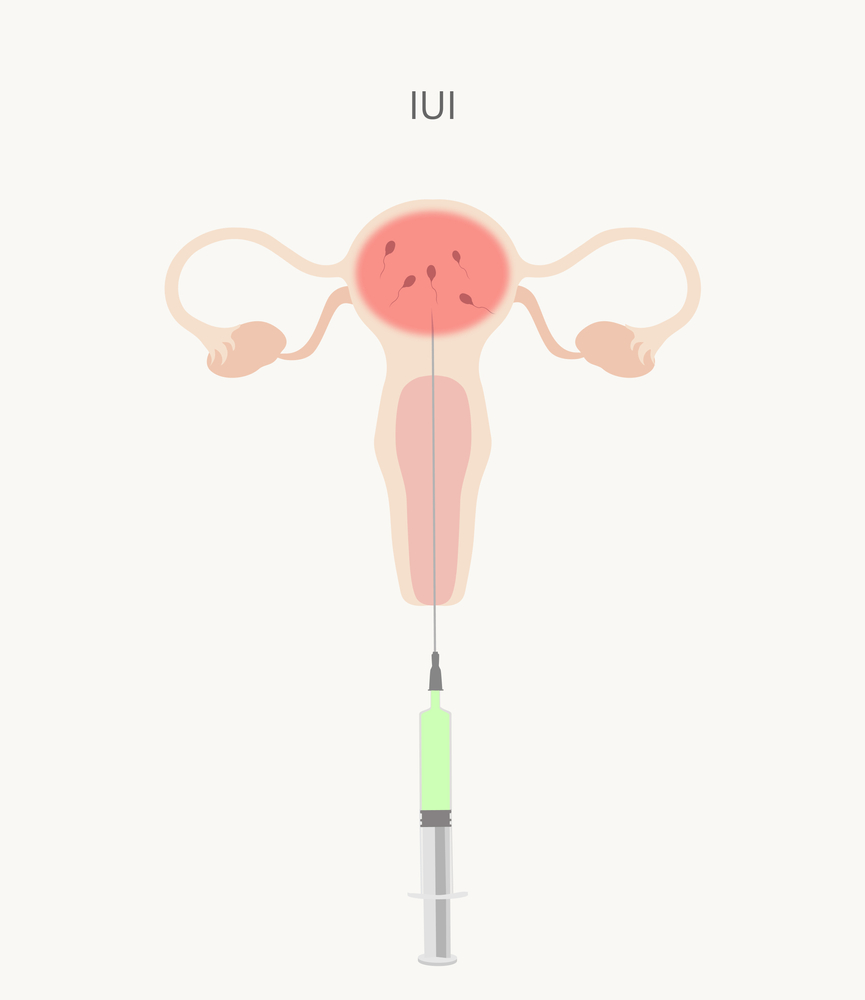
Intrauterine insemination (IUI) is a fertility treatment in which washed, concentrated sperm is placed directly into the uterus around the time of ovulation, shortening the journey the sperm has to make to reach the egg. In India, IUI costs roughly ₹5,000 to ₹35,000 per cycle and succeeds in about 10 to 20 percent of cycles, which makes it a common, low-intervention first step before IVF for the right couples.
Book an Appointment with Dr. Parul Agrawal for all your fertility concerns.
What is IUI (intrauterine insemination)?
IUI, sometimes called artificial insemination, is a simple fertility procedure. Around ovulation, a semen sample from the partner or a registered donor is prepared in the laboratory, a process called sperm washing that concentrates the healthiest, most active sperm and removes seminal fluid. That prepared sample is then passed through a thin, soft catheter into the uterus. Unlike IVF (In-vitro Fertilization), where egg and sperm are combined in a laboratory, fertilisation in IUI still happens naturally inside the fallopian tube. IUI simply gives the sperm a head start and times it precisely to ovulation.
IUI at a Glance
Detail
What it is
Prepared sperm is placed directly into the uterus around the time of ovulation to improve the chance of fertilisation.
Where fertilisation happens
Fertilisation occurs naturally inside the fallopian tube.
Invasiveness
Minimally invasive procedure with no surgery required.
Anaesthesia
Not required.
Procedure duration
Usually takes about 5–10 minutes.
Typical cost per cycle (India)
Approximately ₹5,000–₹35,000 (depending on whether the cycle is natural or medicated).
Per-cycle success rate
Approximately 10%–20%, depending on age, diagnosis, and sperm quality.
Where IUI sits on the fertility treatment ladder
IUI sits in the middle of the treatment ladder. It is more supportive than timed intercourse but far less invasive, less expensive, and less medically intensive than IVF or ICSI (intracytoplasmic sperm injection). For many couples in the first 6 to 12 months of trying, it is a sensible first step. For others, it is the wrong tool and only delays a more effective treatment. That is the honest tension at the heart of IUI: it works best when the fallopian tubes are open, the sperm parameters are reasonable, and the woman is younger, and it has little to offer when those conditions are not met. Deciding whether IUI is right for you, and for how long, is the single most important conversation to have with a fertility specialist before you start. If IUI is not the right fit, your specialist may recommend moving to IVF or ICSI sooner rather than later.
How IUI works: the step-by-step procedure
A typical IUI cycle follows the same five stages, whether it uses your natural cycle or is supported with ovulation-inducing medication. Most of the cycle is monitoring and timing. The insemination itself is quick and usually painless.
Step 1: Fertility assessment and pre-IUI tests
Before starting, your specialist confirms that IUI is appropriate. This usually includes a semen analysis to check sperm count and motility, hormone blood tests (such as AMH, which reflects egg quantity, FSH, and TSH), a pelvic ultrasound, and a tubal patency test (an HSG, or hysterosalpingogram, an X-ray dye test that checks that the fallopian tubes are open). At least one open tube is essential for IUI to have any chance of working.
Step 2: Cycle monitoring and ovulation timing
In a natural-cycle IUI, ovulation is tracked with scans and hormone checks. In a medicated (stimulated) cycle, ovulation-inducing tablets such as letrozole or clomiphene citrate, and sometimes low-dose injections, are used to encourage the development of one or two mature follicles. Follicle-tracking scans monitor growth, and a trigger injection is given to time ovulation precisely. Careful monitoring here also keeps the risk of a multiple pregnancy in check.
Step 3: Sperm collection and preparation
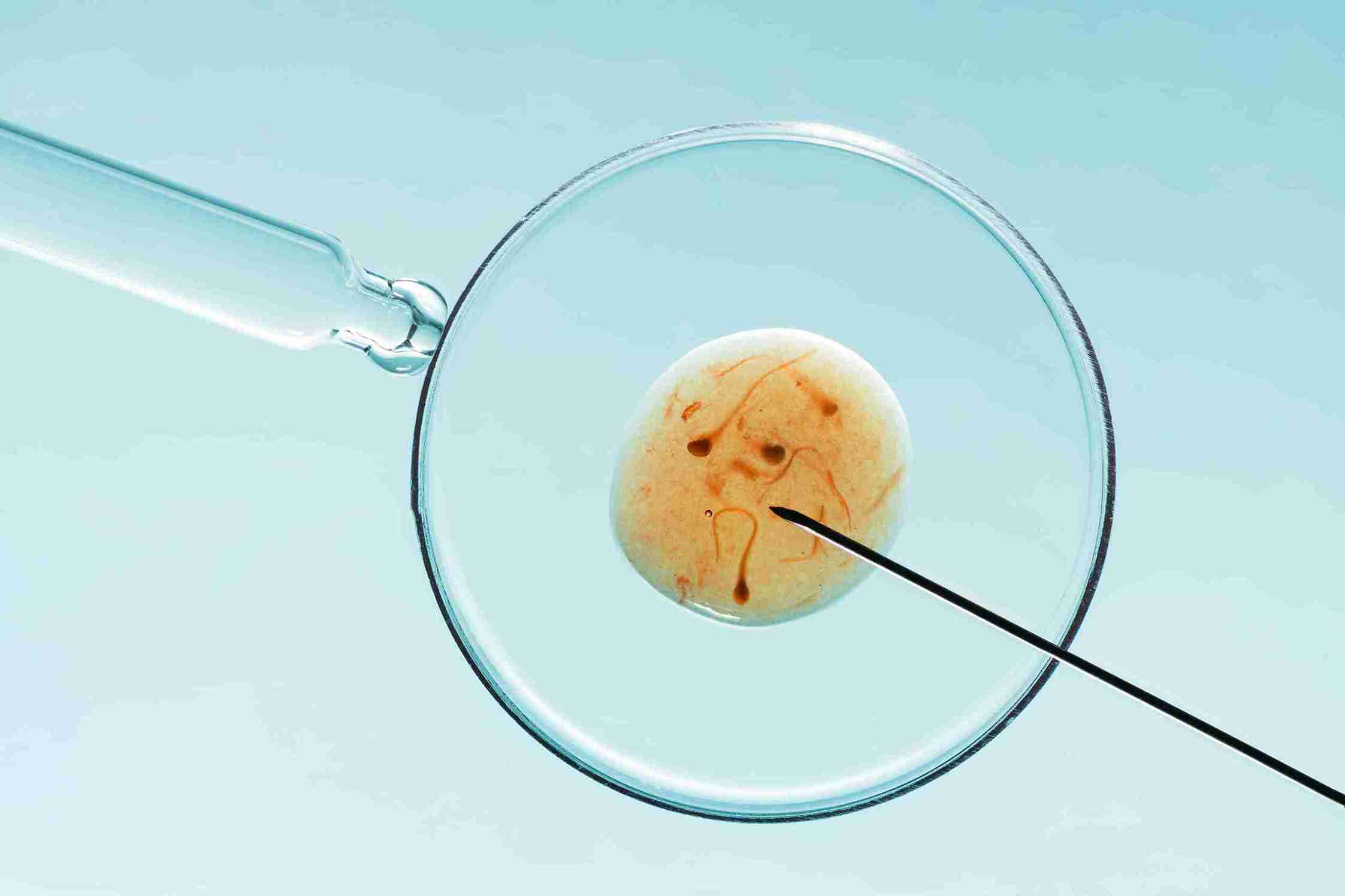
On the day of the procedure, the partner provides a fresh semen sample, or a donor sample is thawed and prepared. The laboratory washes and concentrates the sample so that only the healthiest, most motile sperm are used. Prepared sperm is best used within a short window, so timing between preparation and insemination matters.
Step 4: The insemination
A thin, soft catheter is passed gently through the cervix, and the prepared sperm is placed into the uterus. It takes about 5 to 10 minutes, does not need anaesthesia and is often compared to a routine cervical smear. Most women feel little more than mild cramping. You can usually get up and go about your day straight away.
Step 5: The two-week wait and pregnancy test
If prescribed, progesterone support begins after the procedure. A blood pregnancy test (beta hCG) is usually done about 14 days later, rather than relying on an early home test, which can mislead. There is no evidence that prolonged bed rest improves the outcome, so normal activity is fine. For a fuller walk-through of the days after insemination, see what happens during IUI treatment.
Who is IUI recommended for?
A fertility specialist may recommend IUI in these situations:
Unexplained infertility: when standard tests are normal, but conception has not happened, IUI with ovulation support is a recognised first-line option.
Mild male-factor infertility: slightly reduced sperm count or motility, where washing and concentrating the sample can help.
Ovulation problems: such as PCOS (polycystic ovary syndrome), are usually combined with ovulation-inducing medication.
Cervical-factor infertility: when cervical mucus makes it harder for sperm to pass, IUI bypasses the cervix.
Ejaculation or sexual difficulties: where placing prepared sperm directly is more reliable.
Single women using donor sperm: unmarried, divorced, or widowed women aged 21 to 50 can access donor-sperm IUI under India's ART Act, 2021.
IUI is usually not the right choice when:
Both fallopian tubes are blocked, or there is a hydrosalpinx, in which case IVF bypasses the tubes entirely.
There is severe male-factor infertility or a very low motile sperm count, where IVF with ICSI is usually recommended.
Ovarian reserve is significantly low or age is advanced, where the time-sensitive window favours going straight to IVF.
How to prepare for IUI and improve your chances
There is no lifestyle change that guarantees pregnancy, but a few things genuinely help, and it is worth being clear about what does and does not move the needle.
Before and during the cycle
Precise ovulation timing is the biggest lever, which is why monitoring matters. Maintaining a healthy body weight, stopping smoking, and limiting alcohol support overall reproductive health. Well-controlled thyroid disease and diabetes also help. Treating the underlying issue, rather than simply repeating cycles, is what changes outcomes. Be wary of supplements or add-ons marketed as boosting IUI success, as the evidence for most is weak.
Natural cycle versus medicated (stimulated) IUI
In a natural cycle, no fertility drugs are used, and the procedure is timed to your own ovulation. In a medicated cycle, ovulation-inducing tablets or injections encourage one or two follicles, which modestly raises the per-cycle chance for many couples but adds cost and a small risk of a multiple pregnancy. For ovulation disorders such as PCOS, the medicated approach is usually preferred because it addresses the root problem directly. Your specialist will recommend one based on your diagnosis, age and previous cycles.
How much does IUI treatment cost in India?
The cost of one IUI cycle in India depends mainly on whether it is a natural or a medicated cycle, how much monitoring is needed, whether donor sperm is used, and the city and centre. The figures below are indicative ranges. Exact pricing is centre-specific and should be confirmed with your clinic.
Component
Indicative Cost (India)
Notes
Natural-cycle IUI (per cycle)
Approximately ₹5,000–₹10,000
Performed without fertility medications and timed around natural ovulation.
Medicated (stimulated) IUI (per cycle)
Approximately ₹10,000–₹35,000
Includes ovulation-inducing medications, follicular monitoring scans, and sperm preparation.
Donor sperm (optional add-on)
Approximately ₹15,000–₹35,000 per vial
Used for eligible single women or couples with severe male-factor infertility through a registered ART sperm bank.
Pre-IUI fertility work-up (one-time)
Approximately ₹9,000–₹15,000
Typically includes semen analysis, HSG, hormone blood tests, and ultrasound scans.
What is usually included: consultation, monitoring scans, sperm preparation, and insemination. What is often extra: pre-IUI tests, ovulation-inducing medication, and donor sperm. Because IUI works cumulatively, many couples budget for more than one cycle. If you are considering donor sperm, our guide to donor-sperm IUI and IVF in India covers the legal process and costs in detail.
When to see a specialist, and when to switch from IUI to IVF
IUI is not meant to be repeated indefinitely. Most fertility specialists suggest reviewing your plan after a few well-timed cycles, because the cumulative benefit flattens out and continuing can simply buy delay. Speak to a specialist promptly if any of the following apply:
Situation
Recommended Next Step
Three to four well-timed IUI cycles have not resulted in pregnancy
Review your fertility treatment plan with a specialist and consider moving to IVF.
Both fallopian tubes are blocked
IVF is usually recommended because it bypasses the fallopian tubes.
Severe male-factor infertility or a very low motile sperm count
IVF with Intracytoplasmic Sperm Injection (ICSI) is generally recommended.
Woman is over 40 years of age or has a low ovarian reserve
Consider proceeding directly to IVF to maximise the chances of pregnancy without delaying treatment.
Recurrent miscarriage or a known reproductive condition (such as severe endometriosis)
Seek a specialist review before proceeding with additional IUI or IVF cycles.
If you are unsure where you stand, the most useful next step is a focused review of your reports. You can book a fertility consultation at a Cloudnine Fertility centre to map out a realistic plan.
IUI success rates in India by age
Success depends on age, diagnosis, sperm quality, and whether medication is used. The ranges below are a guide for counselling, not a promise. The honest way to read them is cumulatively: across 3 to 4 well-timed cycles rather than any single month.
Age Group
Per-Cycle Success Rate (Approx.)
Note
Under 35 years
Approximately 15%–20%
Success rates are generally higher when ovulation, sperm quality, and other fertility factors are favourable.
35–40 years
Approximately 10%–15%
Egg quality gradually declines with age, so timely fertility treatment becomes increasingly important.
Over 40 years
Approximately 5% or lower
Many fertility specialists recommend considering IVF sooner because IUI success rates are significantly lower.
Most IUI pregnancies happen within the first 3 to 4 cycles. Consistent with guidance from the American Society for Reproductive Medicine (ASRM), a limited course of ovulation stimulation with IUI is a reasonable first-line approach for many couples, with a planned switch to IVF if it has not worked within a few cycles. Be cautious of any clinic quoting a single, very high success figure, as the right number for you depends on your age and diagnosis.
Want to consult the best fertility in india? Please find the links below.
For most women, IUI is not painful. The insemination feels similar to a routine cervical smear, and any discomfort is usually mild cramping that settles quickly. Anaesthesia is not needed, and you can resume normal activity the same day.
Is IUI ever 100 percent successful?
No fertility treatment is 100 percent successful, and IUI is no exception. A single cycle succeeds in roughly 10 to 20 percent of cases, depending on age and diagnosis, because fertilisation still has to happen naturally inside the body. Its strength is that it is simple, low-cost and low-risk, not that it offers the highest odds per cycle.
How many IUI cycles should I try before IVF?
Most specialists suggest a ceiling of 3 to 6 cycles, but the more useful fact is that the large majority of IUI pregnancies occur in the first 3 to 4 cycles. Beyond that, each additional cycle adds very little. Reviewing your plan after 3 to 4 unsuccessful cycles is a reasonable, evidence-based approach. Our guide on how many IUI cycles to try goes into this in more depth.
How many injections are needed for IUI treatment?
It varies. A natural-cycle IUI may involve no injections at all. A medicated cycle often uses a short course of ovulation-inducing tablets, sometimes with a few low-dose injections, plus a single trigger injection to time ovulation. Your specialist tailors the protocol to your response, keeping the number to the minimum needed.
Schedule your consultation Today!
Book your consultation with our fertility experts the first step toward your parenthood journey.