Pelvic infections are bacterial infections that typically affect the organs in the pelvic area, primarily the reproductive organs. Pelvic inflammatory disease (PID) is a type of pelvic infection that is sexually transmitted due to specific bacteria that enter through the vagina, leading to infection and inflammation of the reproductive organs, including the uterus, fallopian tubes and ovaries. Pelvic infections, including PID, are common but overlooked due to their subtle symptoms and lack of knowledge among people. Sexually active young women and women with a previous history of PID or STIs are at risk of pelvic infections, including PID. The symptoms of pelvic infections, including PID, must be addressed as they are likely to affect the fertility of women. Read for a clear insight into the causes, signs, symptoms, risks, treatment and prevention of pelvic infections and PID.
What Are Pelvic Infections?
Pelvic infections are common among young women under 25 years of age, as the immature cervix is highly susceptible to a specific type of bacterial infection in the pelvic area. Pelvic infections and PID are sexually transmitted through bacteria, namely Chlamydia trachomatis and Neisseria gonorrhoeae, affecting the reproductive organs present in the pelvic area, such as the uterus, fallopian tubes and ovaries. These bacteria usually enter through the vagina and cervix, then reach the reproductive organs, causing inflammation and impairing their function.
What Causes Pelvic Infections?
● Most of the pelvic infections, including PID, are sexually transmitted infections caused by Chlamydia trachomatis and Neisseria gonorrhoeae that enter through sexual contact, reaching the reproductive organs of the pelvic area.
● Bacterial vaginosis is an imbalance in the vaginal microbiome that can lead to pelvic inflammatory disease.
● Bacteria causing pelvic infection can enter through medical procedures, including childbirth, surgical abortion, intrauterine device insertion and other gynaecological procedures.
● Poor sanitation during menstruation is also a cause of pelvic infection, as there are chances of bacteria causing PID entering the reproductive tract during menstruation.
● A ruptured appendix, bowel infection and other gastrointestinal issues can also lead to PID.
● Douching is also a potential cause of pelvic infection, as it involves washing the vagina regularly with water or other fluids for hygienic reasons that can, in turn, disrupt the vaginal microbiome, increasing the chance of pelvic infection.
Early Warning Signs You Should Not Ignore
The signs of pelvic infections are often subtle and frequently overlooked. When you notice any of the following warning signs, do not ignore them, as immediate medical attention is required. The typical early signs of pelvic infections are-
● Persistent, dull abdominal pain that feels like a slight cramp in the belly
● Yellow or green vaginal discharge
● Pain or discomfort during sexual intercourse
● Spotting, bleeding after sex, heavy menstrual bleeding
● Discomfort and burning sensation during urination
● Fever and fatigue
What Happens If You Ignore These Symptoms?
When you ignore the symptoms, the infections may spread and progress, causing permanent damage to the reproductive organs. Here are the consequences of untreated PID infections-
● Ignoring the symptoms may lead to persistent and severe pain due to chronic inflammation.
● Severe infection causes inflammation leading to adhesions in and around the fallopian tube, leading to permanent blockage of the fallopian tubes, causing fertility issues.
● Untreated PID can lead to ectopic pregnancy, which is a life-threatening condition.
● There are chances of recurrent PID when pelvic infections are left untreated.
Symptoms of Severe Pelvic Infection
When you suffer from severe pelvic infection, you may notice the following intense symptoms, including-
● Persistent and intense lower abdominal pain
● Pelvic infection and fever with chills
● Gastrointestinal distress may lead to nausea and vomiting
● Foul-smelling and unusual vaginal discharge
● Dizziness, rapid heart rate, drop in blood pressure, and other signs of septic shock can occur in case of life-threatening conditions.
These signs indicate that pelvic infection has spread to other parts of your body in the pelvic area, which requires immediate medical intervention.
Diagnosing Pelvic Infections
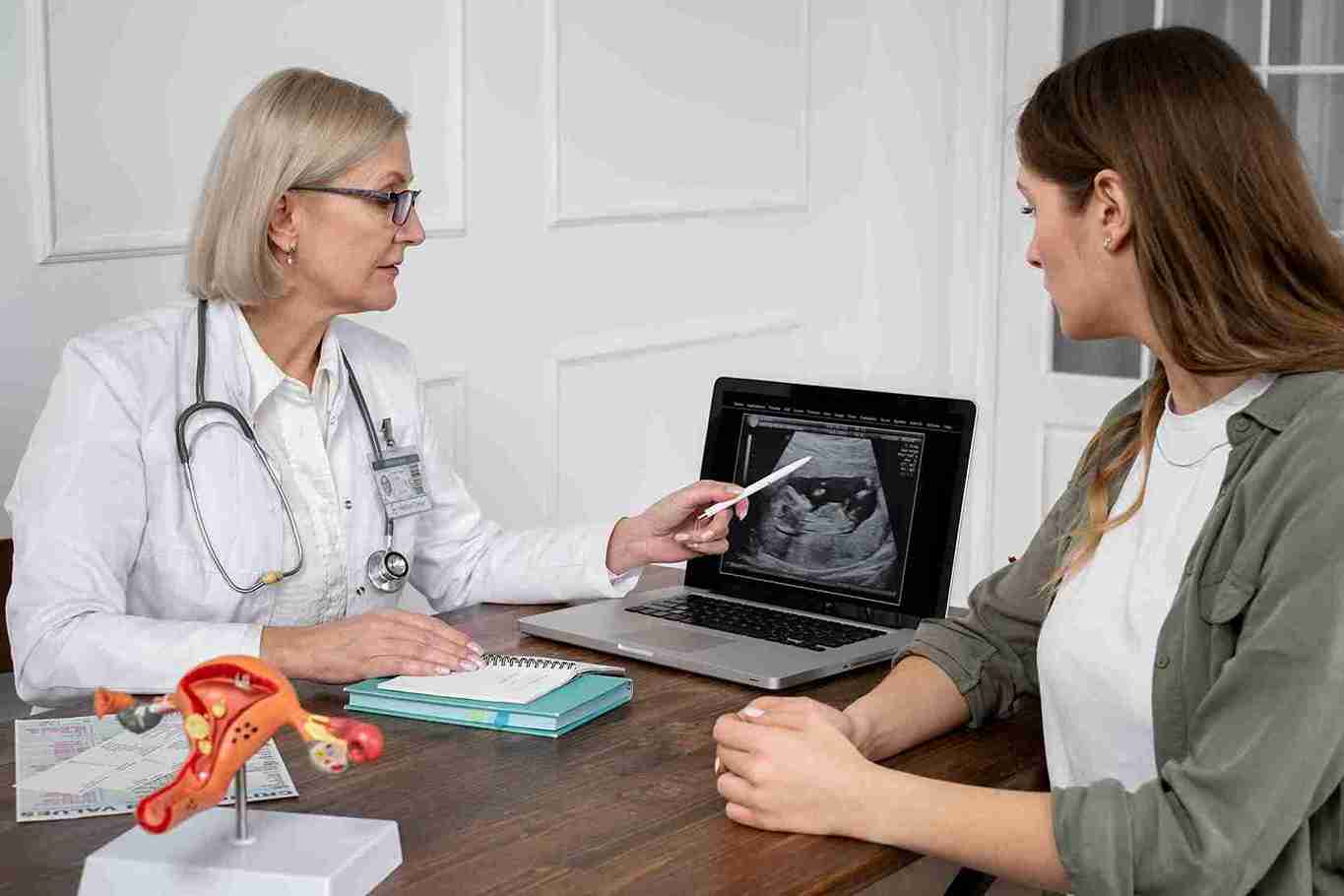
There is no single test to detect pelvic infections or PID. So your doctor asks about your symptoms and your honest sexual history. Further, pelvic examination is done to check for pain in the cervix, uterus, fallopian tubes and ovaries. Several supporting tests are conducted, including a urine test to detect urinary tract infections, a blood test to diagnose diseases, a pregnancy test to rule out ectopic pregnancy and vaginal and cervical swabs to identify the type of bacterial infection. Ultrasound may also be recommended to check for the severity of the infection.
Treating Pelvic Infections
Pelvic infections are usually treated based on the symptoms and severity of the condition. At an early stage, a combination of antibiotics is prescribed. Ensure that you complete the entire course of medication to avoid recurrent infection. For severe infections, you may require immediate hospitalisation as intravenous antibiotics are administered. The sexual partners must also be treated to prevent reinfection.
● Preventing pelvic infection is important as you can avoid chronic pelvic pain, ectopic pregnancy and fertility issues.
● Practice safe sex with the use of condoms to prevent STIs. Limiting your sexual partners also reduces exposure to infection.
● Sexually active young women must go for regular STI screening, as STI infections are asymptomatic in the early stages.
● Never douche as it disrupts the balance of the beneficial bacteria present in the vagina, making it highly susceptible to the harmful bacteria to enter the reproductive tract.
Conclusion
Pelvic infection, particularly PID, is a common infection affecting the reproductive organs present in the pelvic area. Managing pelvic infections requires taking proper preventive measures, assessing common symptoms and receiving timely medical treatment. Regular health checkups, safe sex and STI screening can avoid the risk of pelvic infection affecting fertility.
Want to consult the best fertility in india? Please find the links below.
1. What are the early signs of a pelvic infection?
The early signs of pelvic infection or PID are mild abdominal pain, abnormal vaginal discharge, irregular bleeding, discomfort or pain during sex, burning sensation or discomfort during urination, fatigue and mild fever.
2. Is fever a common symptom of pelvic infection?
Fever may be a symptom of pelvic infection; high-grade fever is common in advanced pelvic infection. However, fever is not the main symptom of pelvic infection, as the common symptoms of pelvic infections are subtle abdominal pain, unusual abnormal discharge, pain during sex and irregular bleeding.
3. Are pelvic infections contagious?
Pelvic infections are not contagious, but most types of pelvic infections, including PID, are caused by bacteria that are highly infectious. So, a woman cannot directly transmit PID through sexual contact, but the bacteria causing pelvic infection can be passed to her partner through sexual contact.
4. Can pelvic infections affect fertility?
Pelvic infections can potentially affect fertility, as they damage, block or impair fallopian tubes due to scar tissue formation. There is a high risk of pelvic infection affecting fertility when it is left untreated or in case of repeated pelvic infections.
Schedule your consultation Today!
Book your consultation with our fertility experts the first step toward your parenthood journey.