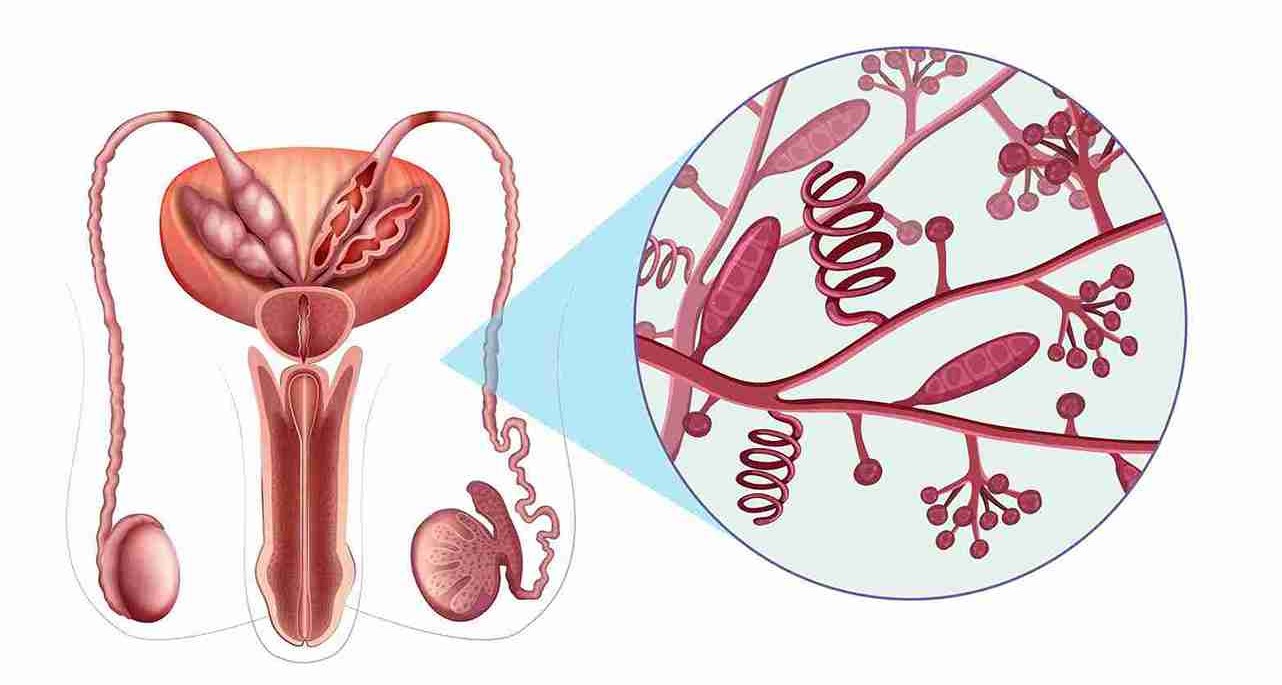
A varicocele isan enlargement of the veins inside the scrotum and is one of the most common,surgically correctable causes of male infertility, found in roughly 40% of menevaluated for difficulty conceiving. The condition is treatable, and in manycases, treatment meaningfully improves sperm quality and the chances ofpregnancy.
What is a varicocele?
A varicocele (pronounced VAIR-i-koh-seel) is a swelling of the pampiniform plexus, the network of small veins that drain blood from the testicle. When the one-way valves inside these veins do not close properly, blood pools and the veins enlarge, much like varicose veins in the legs. The condition affects about 15 in every 100 men, most often appearing on the left side of the scrotum, and is a leading reversible cause of male infertility in India and worldwide.
Varicocele At a glance
What it means for you
Definition
Enlarged veins inside the scrotum that drain the testicle
How common
Affects about 15 in 100 men; up to 4 in 10 men have infertility
Most affected side
Left side in roughly 8 out of 10 cases; can be both sides
Pain level
Often painless; some men feel a dull, dragging ache
Why varicoceles matter for fertility, especially in India
Most men with a varicocele never know they have one. The veins enlarge slowly, often during the teen years, and many men only discover the condition when they and their partner are evaluated for difficulty conceiving. In India, where couples typically seek fertility evaluation after a year or more of trying, varicocele is one of the first findings on a male fertility workup and one of the few that responds well to treatment.
For couples in Gurgaon and Delhi NCR planning a family, this matters for two reasons. First, a varicocele can quietly damage sperm production for years before any symptoms appear. Second, repair often improves the odds of natural conception and IVF/ICSI outcomes, so identifying it early can change the treatment path. A timely evaluation by a fertility specialist can spare months of unexplained delays.
Causes, Varicocele Symptoms, and How Varicocele Affects Fertility
How a varicocele actually forms
Inside the spermatic cord, tiny one-way valves keep blood flowing upward, away from the testicle and back to the heart. When these valves fail or are absent, gravity pulls blood backwards, causing it to pool in the surrounding veins. Over months and years, the veins stretch and enlarge. The left side is affected far more often because the left testicular vein joins the left renal vein at a sharp 90-degree angle, creating higher backpressure than on the right side.
The symptoms men actually notice
Most varicoceles are silent. When symptoms do appear, men typically describe one or more of the following:
• A dull, dragging, or aching feeling in the scrotum that worsens after long hours of standing, exercise, or by the end of the day
• A soft, lumpy texture above the testicle that some men describe as feeling like a bag of worms or strands of spaghetti
• Visible swelling on one side of the scrotum, almost always the left side
• Shrinkage of the affected testicle (testicular atrophy) over time
• Difficulty conceiving with a partner after a year of regular, unprotected intercourse
Pain typically eases when lying down because gravity no longer works against the failed valves, allowing blood to drain from the pooled veins.
How varicocele affects sperm and fertility
The testicles need to sit slightly cooler than core body temperature to make healthy sperm. When pooled blood warms the scrotum, three things tend to happen at the cellular level: sperm production slows, the proportion of sperm with normal shape and movement falls, and oxidative stress damages sperm DNA. The end result on a semen analysis (a lab test that measures sperm count, motility, and shape) is often a low count, low motility, or bot,h, and in some men, no sperm at all in the ejaculate, a condition called azoospermia.
Varicocele can also lower testosterone production over time. Lower testosterone, in turn, affects libido, energy, mood, and the testicles' ability to continue producing sperm, which is why repairing larger varicoceles can sometimes restore both hormonal balance and fertility.
What causes a varicocele to develop
Doctors do not fully understand why some men develop varicoceles and others do not, but several anatomical and physiological factors are well established:
• Faulty vein valves: The most common driver. The valves inside the testicular veins fail to close, allowing blood to flow backwards and pool.
• Left-sided anatomy: The left testicular vein drains at a steeper angle into the left renal vein, raising backpressure and making varicoceles 8-9 times more likely on the left.
• Puberty growth surge: Increased blood flow to the testicles during puberty often unmasks weak valves, which is why varicoceles are usually first noticed in the teen years.
• Congenital factors: Some men are born with weaker or absent valves in the spermatic cord veins.
• Compression or new, sudden-onset (rare): A varicocele that appears suddenly in an older man, especially on the right side, can occasionally indicate pressure on the vein from a kidney mass and warrants urgent imaging.
What to do if you think you have a varicocele
Steps you can take this week
• Note when the discomfort appears (after standing, exercise, late in the day) and whether it improves when you lie down. This pattern is a hallmark of varicocele
• Wear supportive, snug-fitting underwear or a scrotal support during exercise and long hours of standing to ease the dragging sensation
• Avoid prolonged hot baths, saunas, and laptop-on-lap habits that further raise scrotal temperature
• If you and your partner have been trying to conceive for 12 months or more (or 6 months if your partner is over 35), book a fertility evaluation that includes a semen analysis
• If you feel a sudden lump, severe pain, or notice a varicocele on the right side that was not there before, see a doctor promptly
When self-care is enough and when it isn't
Small, painless varicoceles in men who are not trying to conceive often need no treatment at all. Lifestyle measures, supportive underwear, and routine monitoring are usually enough. However, treatment becomes important when any of the following are true:
• The varicocele is causing persistent pain that interferes with daily life
• There is testicular shrinkage or a clear size difference between the two testicles
• A semen analysis shows low count, low motility, or abnormal shape
• There is a fertility goal, either natural conception or improving outcomes for IUI, IVF, or ICSI
• Testosterone levels are low, and symptoms of low testosterone are present
In any of these situations, a urologist or fertility specialist can confirm the varicocele grade and walk you through whether observation, lifestyle changes, or surgical repair is the right next step.
When to see a doctor
Use the table below as a quick guide. If your situation falls in the right column, do not wait; book a fertility evaluation.
Watch and monitor
See a specialist promptly
A small, painless lump was noticed on a routine exam
You and your partner have been trying for 12+ months without success
Mild dragging discomfort that resolves with rest
Pain that is constant, severe, or worsening over weeks
Stable size with no change over months
One testicle is visibly smaller or shrinking
No fertility plans in the near term
Semen analysis shows low count, low motility, or no sperm
No signs of low testosterone
New right-sided varicocele in an adult man, or sudden onset at any age
If any of the situations on the right apply to you, book a fertility consultation with a Cloudnine Fertility specialist. Early evaluation often shortens the path to a healthy pregnancy.
Outcomes after varicocele treatment
Outcomes depend on the grade of the varicocele, age, the cause of any sperm abnormality, and the female partner's fertility. The numbers below are typical ranges reported in published studies and seen in routine clinical practice.
Outcome measure
Typical result after treatment
Timeline
Improvement in semen parameters (count, motility, morphology)
60-70% of men show measurable improvement
3-6 months
Spontaneous (natural) pregnancy rate
30-45% over the year following repair, when other factors are favourable
6-12 months
Improvement in IUI / IVF / ICSI outcomes
Higher fertilisation and live-birth rates, especially in men with severe sperm defects
Next assisted cycle
Reduction in scrotal pain
About 80-90% report significant pain relief
4-8 weeks
Testosterone level recovery
A modest rise in many men with low baseline testosterone
3-6 months
Recurrence risk
Around 1-10%, depending on technique
Within the first year
Want to consult the best fertility in india? Please find the links below.
Find clear, trusted answers to the most common questions about IVF—designed to guide and support you every step of the way.
How does a varicocele get diagnosed?
Diagnosis usually starts with a physical examination. The specialist will examine the scrotum while you stand, then ask you to take a deep breath, hold it, and bear down, a manoeuvre that increases pressure in the abdomen and makes the dilated veins easier to feel. If a varicocele is suspected or sperm parameters are abnormal, a colour Doppler scrotal ultrasound (an imaging test that shows blood flow inside veins) confirms the diagnosis and grades the size. A semen analysis and hormone tests (testosterone, FSH, LH) often complete the workup, especially when fertility is a concern.
Is a varicocele 100% curable?
Varicocele is highly treatable, but the right word is treatable rather than 100% curable. Surgical repair (varicocelectomy) or embolisation eliminates the dilated veins in the vast majority of cases, and most men see real improvement in sperm parameters and pain. However, a small percentage of varicoceles can recur, and not every man with poor sperm quality will see full normalisation after repair, particularly if the testicle has been damaged for many years. The honest answer most fertility specialists give is that treatment offers a strong chance of improvement, not a guarantee of a cure.
What is a grade 4 varicocele?
Standard medical grading ranges from Grade 0 to Grade III, so a true clinical Grade 4 does not exist in most textbooks. Many patients use the term informally to describe a Grade III varicocele, which is the largest and most severe, clearly visible through the scrotal skin without any straining manoeuvre and easily felt on examination. Grade III varicoceles are the most likely to cause pain, testicular shrinkage, and significant sperm abnormalities, and they generally have the strongest case for surgical repair, particularly when fertility is a goal.
How can I confirm a varicocele at home?
A self-check can raise suspicion, but cannot confirm the diagnosis. Stand in a warm room, relax, and gently feel the scrotum above each testicle. A larger varicocele may feel like a soft bag of worms or thin, tangled strands; a smaller one may only be felt when you take a deep breath and bear down. If one side feels noticeably different from the other, or if you see visible bulging veins, schedule a clinical examination. A scrotal ultrasound is the only reliable way to confirm a varicocele and rule out other causes of scrotal swelling.