Don’t delay getting pregnant. “Getting pregnant may become difficult and complicated once you are over 30” is something most women who are yet to have a child hear. What about the men? Can they delay having a child? Can they father a child at any age? Don’t they have any time limit? Come, let’s find out.

The technical definition of a biological clock refers to the mechanism that controls a living organism’s physiological activities. In general, when someone says your biological clock is ticking, they mean you are getting older to reproduce. This statement is mostly aimed at women as it is common knowledge that the older she gets the more complicated it will be to have a healthy pregnancy.
We all age. As we age, our bodies and organs start getting weaker and their functionality reduces. A woman or a man needs to be in good health and in the prime of their biological clock to have successful and healthy pregnancies. As they get old, the number and quality of eggs or sperm start decreasing. When they try to get pregnant, it can become difficult or involve multiple complications or issues.
Today, with technological advancement and a better understanding of the human reproductive systems, researchers have concluded and doctors agree that even a man has a ticking biological clock. Though a man produces fresh sperm every single day, the number of viable sperm and the quality starts decreasing, as he gets older.
me of the implications the male biological clock or age can have on pregnancy are:
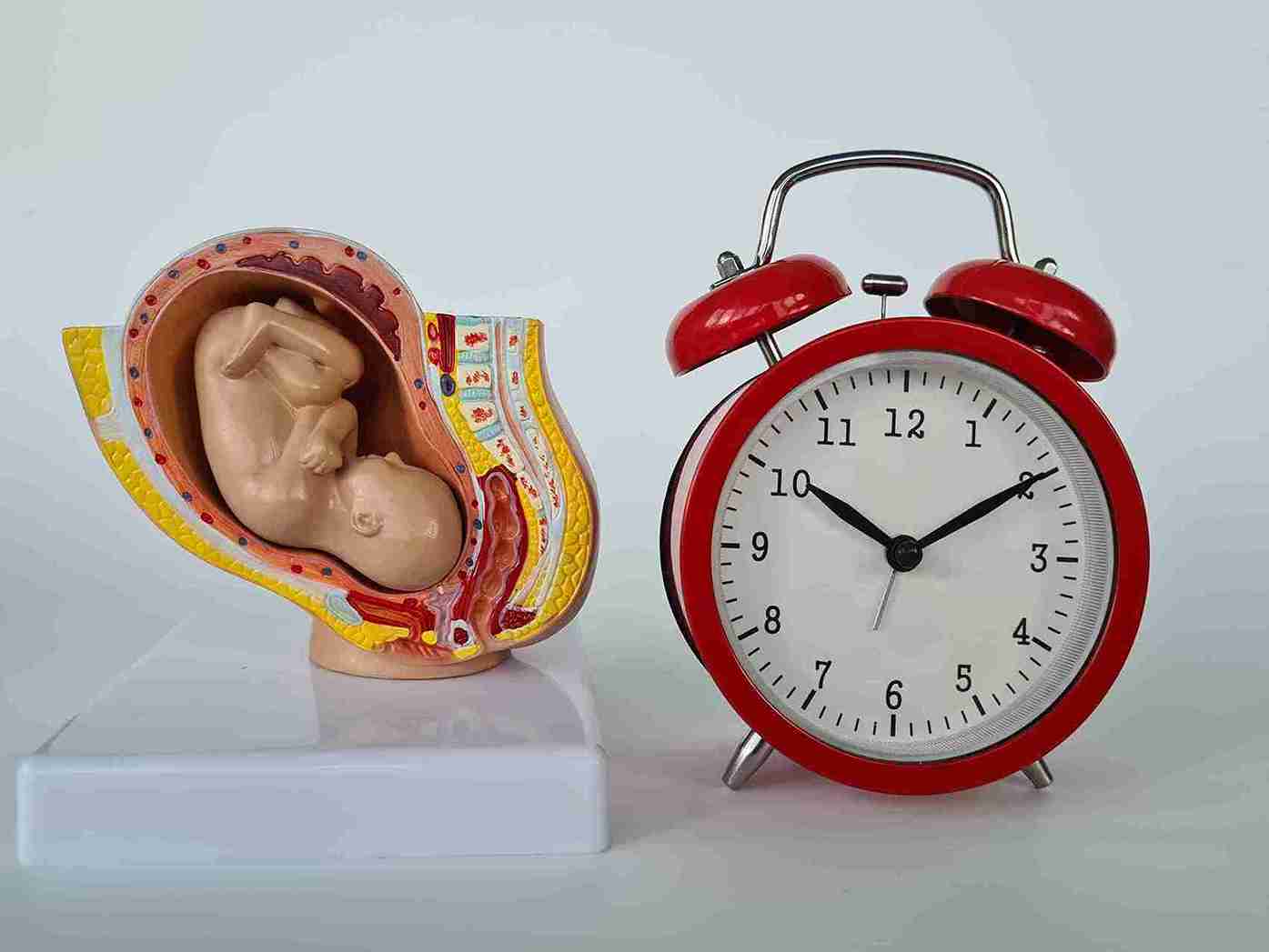
According to recent findings, the body’s biological clock for both men and women starts ticking when they hit their 30s. Just like how a woman’s egg number and quality decrease, a man’s sperm decreases too. As a result, both partners can contribute to complications in pregnancy.
So, why is there more focus on a woman’s age when it comes to pregnancy?
Age is still a bigger factor for women because they have to carry the baby. The older the woman is, the more difficult it can be for her body to meet the demands of pregnancy, both physical and nutrition demands.
Since a male does not undergo menopause or anything similar that indicates an end to his reproductive health, his age is not considered an issue in reproducing. He will not undergo any physical changes or experience limitations during the pregnancy. This is why the importance of the ticking biological clock is focused only on women.
The only way you can determine if a man’s biological clock is ticking or if his sperm health is decreasing with age is by testing. Just like how a woman undergoes fertility testing to check the number and quality of eggs she produces, a man needs to undergo testing too. Only such tests can reveal the health of his sperm and if it could pose a problem in conceiving.
If a woman experiences repeated miscarriages, sperm health should also be checked. Studies show that poor sperm health due to the male’s age can result in miscarriages, preterm birth, stillbirth, preeclampsia, gestational diabetes and more. Therefore, a male’s ticking biological clock does not only affect the baby but can affect the mother too, because of the pregnancy
The biggest challenge here is the societal acceptance that even a man has a ticking biological clock when it comes to pregnancy. Over the years, it is a widely accepted fact that if a woman is over 35 years of age, she is mostly responsible for fertility issues or inability to conceive.
Only in the last few years, with an increase in fertility testing and institutions, has the male factor been brought into focus. Only when a fertility specialist tests a man’s sperm, do they realize there could be a problem with the sperm also and not just the eggs.
The male biological clock and its significance is being deeply studied only in the last decade and it will take more years for society in general to accept even a man’s age is an important factor to consider in successful pregnancies.
When you or your partner are over 30 years of age and are planning to start or expand your family, it is important to take care of both partners’ health. If you are unable to conceive even after a year of trying, both partners need to get checked. Pregnancy-related issues and age factors are not restricted just to women anymore.