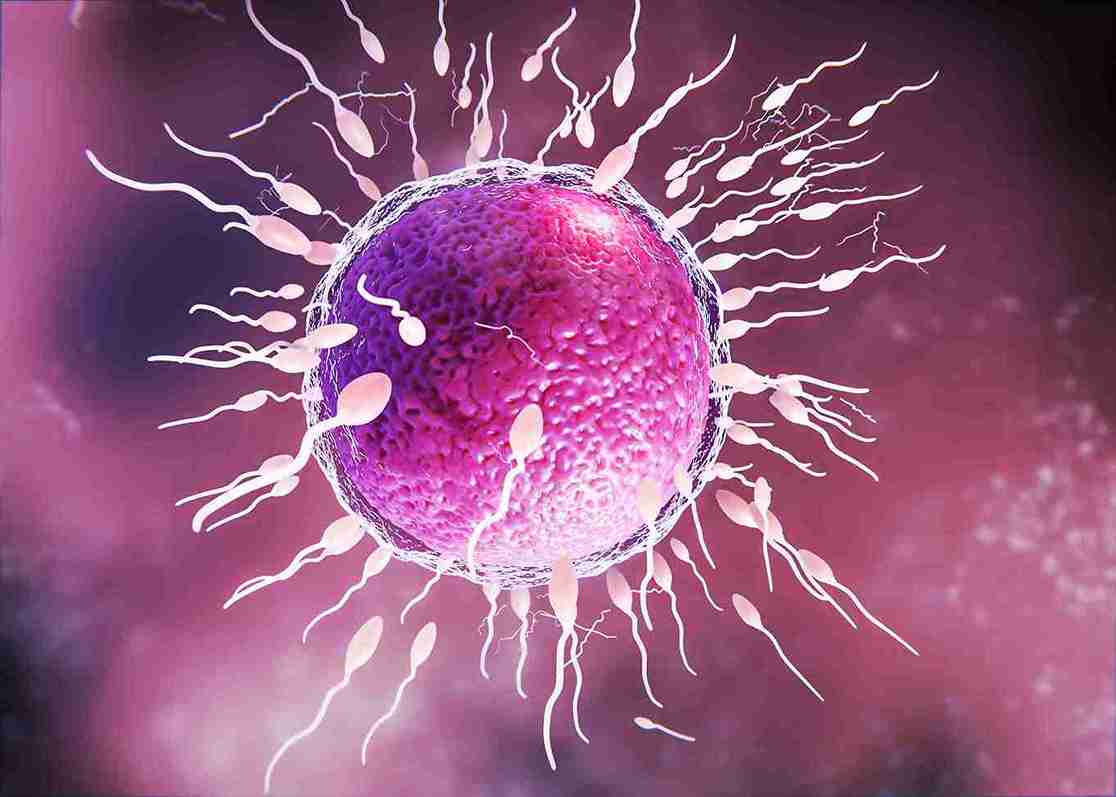
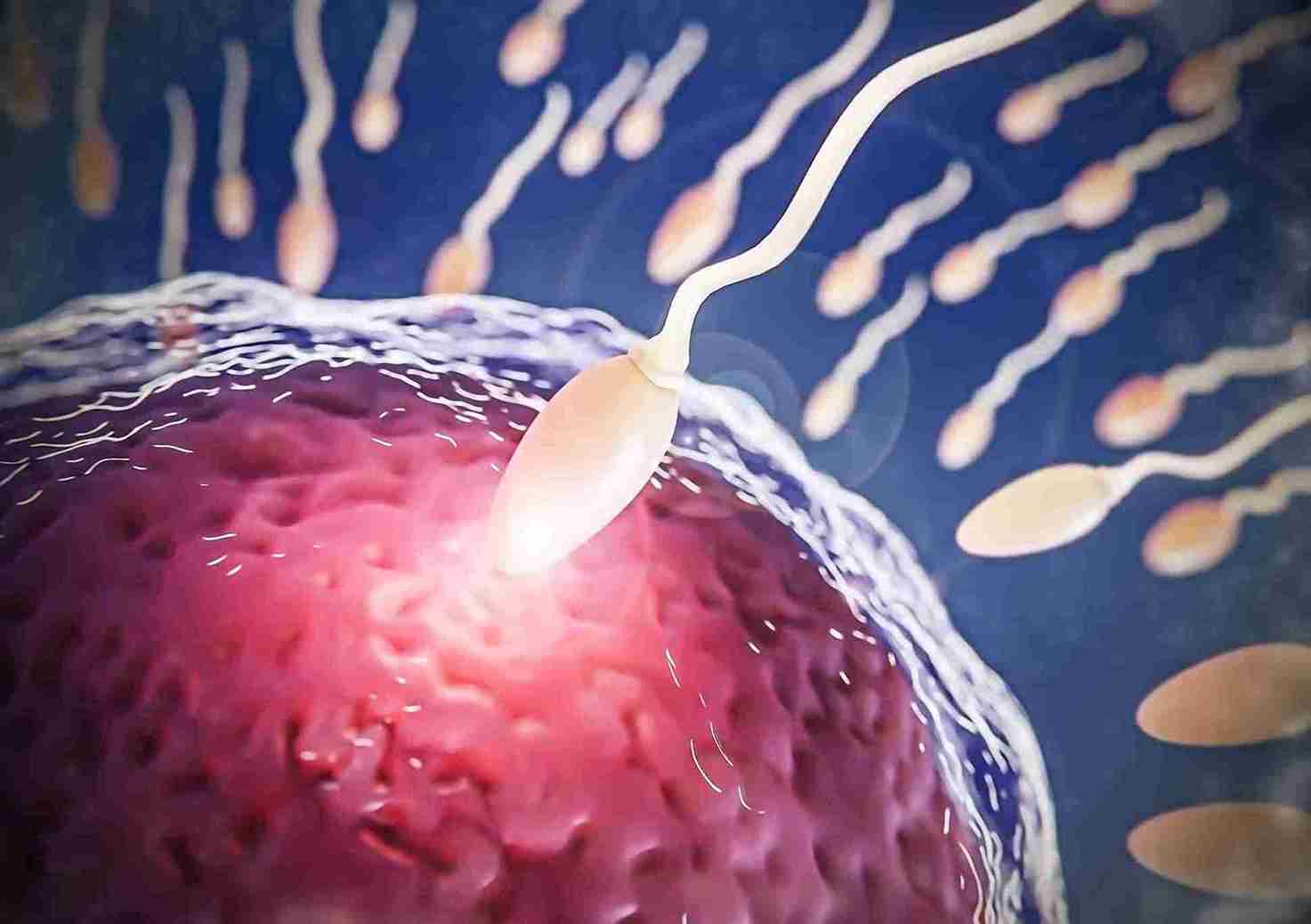
You cannot reverse your age or increase the number of eggs you have, but you can support egg quality during the roughly 90 days it takes an egg to mature. Eating well, maintaining a healthy weight, getting enough sleep, managing stress, and quitting smoking all help. For the best effect, start at least three months before your IVF (In vitro Fertilisation, a treatment where an egg and sperm are joined in a laboratory) cycle.
What Does Egg Quality Actually Mean?
Egg quality describes whether an egg is genetically normal and has enough cellular energy to become a healthy embryo (the earliest stage of a developing baby). A good quality egg is euploid, meaning it carries the correct 23 chromosomes (the structures that hold your DNA). A poor-quality egg is often aneuploid, meaning it has too many or too few chromosomes, which makes fertilisation, implantation, and a healthy pregnancy less likely. There is no single test that directly measures egg quality, so specialists assess it indirectly through your age, ovarian reserve markers, and how your eggs behave during IVF.
Signs that may point to better egg quality
Signs that may warrant a check
Regular, predictable menstrual cycles
Irregular, very short or absent cycles
Balanced reproductive hormones
Difficulty conceiving or repeated miscarriage
Age under the mid-30s
Age in the late 30s and beyond
Good embryo development in past IVF
Poor fertilisation or embryo development in past IVF
These are associations, not proof. Only laboratory assessment during an IVF cycle gives direct information about how your eggs and embryos are performing.
Why Egg Quality Declines, and What You Can Truly Change
You are born with all the eggs you will ever have, and both their number and their quality fall as you get older. The main driver is age: as the years pass, more eggs carry chromosomal errors, and no diet, supplement, or therapy can undo that biological clock. This is the honest starting point. What you can influence is the environment in which your remaining eggs finish maturing. Each egg goes through a growth window of about 90 to 120 days before ovulation or egg retrieval, and during this window, oxidative stress (cell damage caused by unstable molecules called free radicals), blood flow, sleep, and nutrition all play a part. So the realistic goal is not to make your eggs younger, but to give them the best possible conditions in the three months before IVF.
How to Improve Egg Quality for IVF Naturally.
There is no magic fix, but several everyday habits, backed by reasonable evidence, help create healthier conditions for egg development. They matter most when you keep them consistent across the full 90-day window.
1. Eat an antioxidant-rich, Mediterranean-style diet
A dietary pattern rich in vegetables, fruit, whole grains, pulses, fish, nuts, and olive oil is linked in observational studies with better reproductive outcomes. The likely reason is that these foods are high in antioxidants and healthy fats that help protect eggs from oxidative stress. Focus on the overall pattern rather than any single superfood. For a detailed Indian food list, see our guide on foods that increase fertility in females.
2. Reach and hold a healthy weight
Both very high and very low body weight can disrupt the hormones that govern ovulation. Reaching a stable, healthy weight through balanced eating and regular activity supports more predictable cycles and can improve how your ovaries respond during IVF.
3. Move regularly and support blood flow
Moderate activity, such as brisk walking, swimming, cycling, or yoga, improves circulation and insulin sensitivity, both of which support the ovaries. Aim for regular, moderate movement rather than extreme training, which can be detrimental to fertility.
4. Sleep well and manage stress
Poor sleep and chronic stress can disturb reproductive hormones. Aim for seven to nine hours of consistent sleep, and use calming practices such as breathing exercises, meditation, or counselling. Stress does not directly cause infertility, but managing it makes the IVF journey easier and supports overall hormone balance.
5. Stop smoking and limit alcohol and caffeine
Smoking is the single most damaging habit for egg quality because it accelerates egg loss and damages their DNA (the genetic material inside cells). Stopping is the most evidence-backed change you can make. Alcohol is best avoided when preparing for IVF, and most specialists suggest keeping caffeine modest, at around one to two small cups of coffee a day.
What Harms Egg Quality?
Just as some habits help, others quietly work against egg health. The main factors that lower egg quality include:
Age is the most significant factor, with chromosomal errors increasing steadily from the mid-30s.
Smoking damages egg DNA and lowers ovarian reserve (the pool of eggs you have left).
Alcohol and recreational drugs disrupt hormones and egg maturation.
Excess or very low body weight alters hormone levels and disturbs ovulation.
A diet high in sugar and processed food raises oxidative stress and inflammation.
Chronic stress and poor sleep disturb the hormones that control ovulation.
Environmental toxins from pollution, pesticides, and some plastics may affect the egg's energy-producing structures (mitochondria).
Supplements and Medical Support for Egg Quality
Beyond lifestyle, some supplements and clinical options are discussed before IVF. It is important to be realistic about the evidence and to start anything only with your fertility specialist's guidance.
Supplements your specialist may discuss
No supplement is proven to reliably improve egg quality or IVF success. A large 2020 Cochrane review of 63 trials and 7,760 women found very low-quality evidence and could not confirm that antioxidant supplements help more women have babies. Still, the most commonly considered options are:
Folic acid: Recommended for anyone planning pregnancy, mainly to protect the baby's developing spine rather than to change egg quality.
Vitamin D: Correction is needed only if a blood test shows you are deficient.
Coenzyme Q10 (CoQ10, a compound that supports the energy-producing parts of cells): Sometimes used for reduced ovarian reserve or older age, though the evidence is promising rather than proven.
Omega-3 fatty acids: Appropriate if your dietary intake of oily fish is low.
Melatonin and DHEA (dehydroepiandrosterone, a hormone precursor): Occasionally used for selected cases of low ovarian reserve, but only under close medical supervision.
Doses and suitability differ for every person, so your specialist will advise what, if anything, is right for you. Self-prescribing supplements is not recommended.
Medical options during IVF
When lifestyle and supplements are not enough, specialists focus on tailoring the IVF cycle itself. A personalised stimulation protocol, guided by your age, ovarian reserve and past response, aims to recover the best eggs your body can produce. Some clinics offer therapies such as ovarian PRP (platelet-rich plasma, prepared from your own blood), but these remain experimental and have not yet been shown to improve egg quality, so they should be approached with caution.
How Much Do Egg Quality and Ovarian Reserve Tests Cost in India?
Egg quality cannot be measured directly, but a specialist may order ovarian reserve tests, such as the AMH test and an antral follicle count, to estimate how many eggs remain and how your ovaries are likely to respond. Indicative costs are below. Figures marked as placeholders are pending audited confirmation and should be checked with the clinic before publishing.
Test or procedure
Indicative cost
AMH test (anti-Mullerian hormone, a blood marker of egg reserve)
Approximately ₹5,000 to ₹6,500
Antral follicle count via pelvic ultrasound (AFC, a scan count of small resting follicles)
Approximately ₹1,500 to ₹4,000
IVF or ICSI (intracytoplasmic sperm injection) base cycle
Approx. Rs 1.2 lakh to 1.3 lakh, plus consumables (all-in commonly Rs 1.15 lakh to 2.5 lakh)
Ovarian stimulation injections (added to an IVF cycle)
Approx. Rs 70,000 to 95,000 extra, depending on protocol
Frozen embryo transfer (FET)
Approx. Rs 35,000 to 60,000
Final pricing is confirmed by Cloudnine Fertility at consultation and varies by city and individual protocol.
Lifestyle changes help, but they are not a substitute for timely assessment. Speak with a fertility specialist if any of the following apply to you
When to see a fertility specialist
Why it matters
You are under 35 and have been trying to conceive for 12 months
The standard point to begin a fertility assessment
You are 35 or older and have been trying for 6 months
Egg quality and quantity decline faster after 35, so an earlier review helps
You have known low AMH, PCOS (polycystic ovary syndrome) or irregular cycles
These affect ovulation and reserve and benefit from tailored care
A previous IVF cycle showed poor fertilisation or embryo quality
The stimulation plan may need adjusting
You have had two or more miscarriages
May point to egg or embryo chromosomal issues worth investigating
A specialist at Cloudnine Fertility can review your history, arrange the right tests and build a plan suited to you.
What Results Can You Realistically Expect?
It helps to separate what these changes can and cannot do, so your expectations match the biology.
What a fertility-focused diet can do
What it cannot do
Reduce oxidative stress around developing eggs
Reverse the age-related decline in egg quality
Support more predictable ovulation and cycles
Increase the total number of eggs you have
Improve your general health before IVF
Guarantee a successful IVF cycle or pregnancy
Possibly improve how your ovaries respond to stimulation
Repair chromosomal errors already present in eggs
In short, consistent healthy habits across the 90-day window give your existing eggs the best chance, but they work alongside medical care, not instead of it. Even with a lower reserve, pregnancy is often still possible; our guide on conceiving naturally with low AMH explains more.
Want to consult the best fertility in india? Please find the links below.
Is it possible to increase egg quality in 30 days?
Not fully. Eggs need around 90 days to fully mature, so a 30-day period covers just a third of that time. A month of healthy habits is a good start, but three months of consistency gives your eggs a better chance.
How do I boost my egg quality naturally?
Focus on the basics that have the most support: a balanced, antioxidant-rich diet, a healthy, stable weight, regular, moderate exercise, good sleep, stress management, and quitting smoking. No single food or pill does the work on its own.
What are the signs of poor egg quality?
There are no reliable outward signs. Clues can include irregular or very short cycles, difficulty conceiving, repeated miscarriage, or poor fertilisation in a past IVF cycle, but egg quality can only be assessed indirectly through age, reserve tests and IVF results.
Can IVF help with poor egg quality?
IVF cannot improve the quality of an individual egg, but it can help by collecting several eggs in a single cycle, allowing the laboratory to select the healthiest embryos. Where a woman's own eggs are consistently unable to produce a viable embryo, donor eggs may be discussed.
Schedule your consultation Today!
Book your consultation with our fertility experts the first step toward your parenthood journey.