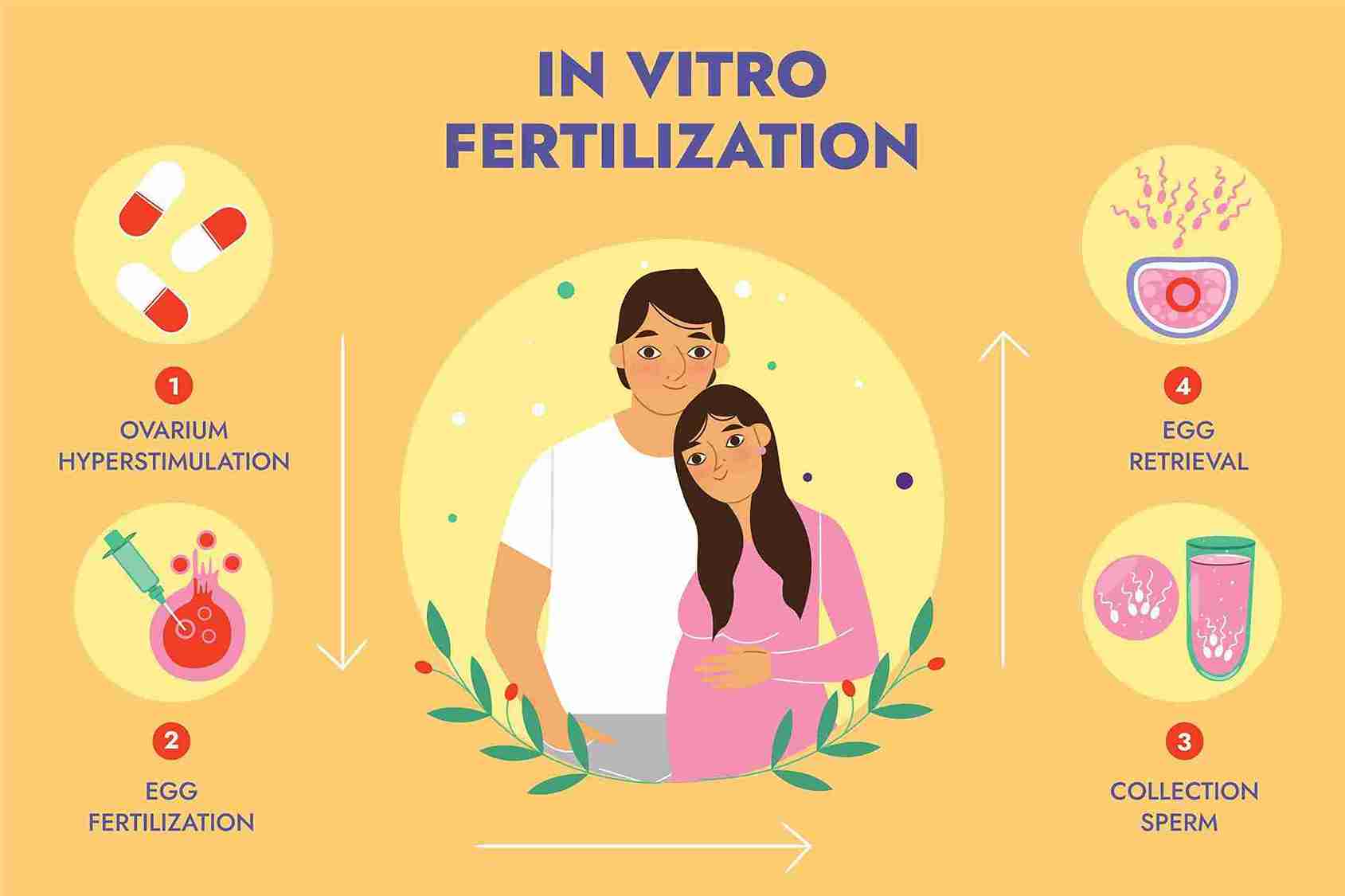
The IVF success rate in India ranges from 40 to 55% per cycle for women under 35, declining to 22 to 32% for women aged 38 to 40, and falling below 10% for women above 42 using their own eggs. Donor egg IVF consistently delivers 60 to 70% live birth rates at any recipient age. Cumulative success across three cycles reaches 70 to 88% for women under 35.
What Does IVF Success Rate Actually Mean?
IVF success rate is the percentage of treatment cycles that result in either a confirmed pregnancy or the birth of a live baby. These two measurements clinical pregnancy rate and live birth rate are frequently confused, and the distinction matters significantly when evaluating a clinic's performance or setting realistic expectations for your treatment. Clinical pregnancy rates are always higher than live birth rates because not every confirmed pregnancy reaches full term.
How to read any IVF success rate figure:
Metric
What It Means
Clinical Pregnancy Rate
Percentage of IVF cycles that result in a confirmed pregnancy on ultrasound (foetal heartbeat detected). Usually higher than live birth rate.
Live Birth Rate
Percentage of IVF cycles that result in the delivery of a live baby. This is the most accurate and meaningful metric always ask clinics which one they are quoting.
Cumulative Success Rate
Probability of achieving pregnancy across multiple IVF cycles (typically 3). Significantly higher than single-cycle rates and more representative of realistic outcomes.
India Average (2025)
40-55% per cycle for women under 35; 30-40% for 35-37; 20-30% for 38-40; 10-20% for 40-42; below 10% for above 42 using own eggs.
Why IVF Success Rates in India Have Improved in 2025
India now performs over 2.5 lakh IVF cycles annually, and success rates have improved steadily over the past decade not because infertility is easier to treat, but because laboratory standards, embryo selection technology, and clinical protocols have advanced significantly. The introduction of time-lapse embryo monitoring, advanced embryo grading systems, ultra-rapid embryo freezing, and chromosomal screening of embryos has shifted the national average upward at accredited centres. However, a wide variance still exists between metropolitan clinics and smaller facilities, and between how success is reported. Understanding what the numbers mean and what they cannot tell you is the essential starting point for making a genuinely informed decision about your fertility treatment.
IVF Success Rate in India by Age: Complete Data (2025)
Age is the most powerful single variable in IVF. It determines egg quantity, egg quality, chromosomal error rates in embryos, and uterine receptivity. The table below provides age-stratified live birth and clinical pregnancy rates based on data from ICMR-accredited fertility centres in India, cross-referenced with ASRM 2023 guidelines and published outcomes from leading Indian fertility networks.
Age Group
Clinical Pregnancy Rate / Cycle
Live Birth Rate / Cycle
Cumulative Rate (3 Cycles)
Key Consideration
Under 30
55-65%
50-60%
78-88%
Best window. Egg quality and ovarian reserve at peak. Single embryo transfer strongly recommended.
30-34
48-58%
42-52%
70-82%
Excellent prognosis. Most couples succeed within 2 cycles.
Donor egg IVF gives 60-70% live birth rate regardless of recipient age.
Donor Egg IVF (any age)
65-75%
60-70%
85-92% (3 cycles)
Success determined by donor’s age (23-35 under Indian ART law), not recipient’s age.
IVF Success Rate Under 35: The Optimal Window
Women under 35 have the highest IVF success rates in India, with live birth rates of 42 to 60% per single cycle and cumulative rates reaching 70 to 88% across three cycles. The biological advantage is straightforward: younger eggs have lower rates of chromosomal errors, better energy output, and a stronger response to hormonal stimulation. At this age group, single embryo transfer at the blastocyst stage is the globally recommended approach, delivering success rates above 50% per cycle with virtually zero risk of multiple pregnancies. Most women in this group do not need advanced embryo screening the benefit is smallest when baseline chromosomal error rates are lowest.
IVF Success Rate at 35 to 37: Moderate Decline Begins
Between 35 and 37, live birth rates drop to 32 to 42% per cycle a meaningful but manageable decline. The primary driver is a rising rate of chromosomal errors in eggs: approximately 40 to 50% of embryos in this age group carry abnormalities that prevent implantation or cause early pregnancy loss. Chromosomal screening of embryos before transfer becomes clinically useful here by identifying the healthiest embryos, it improves implantation rates and reduces miscarriage risk. Women in this age group should not be discouraged by a failed first cycle cumulative rates across three cycles remain 58 to 70%.
IVF Success Rate at 38 to 40: Advanced Maternal Age Considerations
At 38 to 40, egg reserve begins declining at a more pronounced rate, and chromosomal error rates in embryos rise to 50 to 70%. Live birth rates fall to 22 to 32% per single cycle. This is the age group where the choice of clinical tools matters most. Embryo screening before transfer is strongly recommended in women 38 to 40 with chromosomally normal screened embryos, implantation rates per transfer are comparable to those of women under 35. Ovarian stimulation protocols also require more precise calibration at this age to maximise egg yield while reducing the risk of overstimulation. Women in this group benefit from a detailed ovarian reserve assessment before starting.
IVF Success Rate at 41 to 42: Multiple Cycles Often Required
At 41 to 42, live birth rates with own eggs fall to 12 to 18% per cycle. Chromosomal errors now affect 70 to 80% of embryos, which means even with a good stimulation response, a high proportion of embryos will be unable to implant or sustain a pregnancy. Embryo screening at this stage is essential rather than optional it filters the viable embryos from the unusable ones, improving the predictive value of each transfer. Cumulative success across three cycles is 25 to 40%. Women who do not achieve pregnancy with two to three cycles using own eggs should have a frank clinical discussion about donor egg IVF, which resets success rates to 60 to 70% regardless of recipient age.
IVF Success Rate Above 42: Donor Eggs Change the Equation
Above 42, live birth rates with own eggs fall below 10% per cycle, and above 44, this figure approaches 2 to 5% at most accredited centres. The issue is not the uterus uterine receptivity remains good well into the mid-40s. The problem is egg quality: the vast majority of eggs retrieved produce chromosomally abnormal embryos incapable of healthy implantation. Donor egg IVF completely changes this equation. Because the eggs come from a younger donor, chromosomal error rates are as low as those in young women, and live birth rates return to 60 to 70% per cycle. Under India's ART Regulation Act 2021, egg donation is legally regulated, with mandatory anonymous donation, strict donor age limits, and comprehensive health screening protocols.
Factors That Affect IVF Success Rate in India
Age is the dominant factor, but it is far from the only one. The following factors each independently influence IVF outcomes. Understanding them helps couples and clinicians personalise protocols, correct modifiable variables before starting, and set cycle-specific expectations with precision.
• Egg reserve and egg quality: The number of eggs available and their developmental potential directly determine how many viable embryos are created in a cycle. Lower egg reserve means fewer embryos to select from. Your fertility specialist will assess this with a simple blood test and ultrasound before recommending a stimulation approach.
• Sperm health beyond the standard report: A standard semen analysis measures count, motility, and shape but does not assess sperm DNA quality. Damaged sperm DNA can cause poor fertilisation, impaired embryo development, and higher miscarriage rates even when the basic semen report looks normal. Ask your specialist whether advanced sperm health testing is appropriate for your case.
• Uterine lining thickness and readiness: For an embryo to implant, the uterine lining needs to be at the right thickness and in a specific receptive state. A lining that is too thin, or one that is not in the correct window at the time of transfer, reduces implantation even with excellent embryos. Specialist monitoring before transfer can identify and address this.
• Uterine cavity health: Small growths, scar tissue, a uterine septum, or structural abnormalities inside the uterine cavity can silently reduce implantation rates. A uterine assessment before the first IVF cycle often a simple camera examination of the cavity is considered best practice and can detect treatable issues before they cause failure.
• Thyroid health: Thyroid levels that appear within the general 'normal' range on a standard blood test may still be above the threshold recommended for fertility treatment. Even mildly elevated thyroid levels can impair implantation and increase miscarriage risk. Your fertility specialist will optimise thyroid function to fertility-specific targets before transfer.
• Body weight: Both underweight and overweight status reduce IVF success. Excess weight impairs how the ovaries respond to stimulation, affects egg quality, and reduces implantation rates. A structured approach to reaching a healthy weight in the 3 to 6 months before starting IVF rather than crash dieting immediately before produces the most meaningful improvement.
• Embryo quality and transfer stage: Embryos cultured to Day 5 (blastocyst stage) have 1.5 to 2 times higher implantation rates than embryos transferred on Day 3, because only developmentally competent embryos survive to Day 5. Ask your clinic specifically about their approach to embryo culture and at what stage they prefer to transfer.
• Laboratory quality: The embryology laboratory environment temperature stability, air quality, incubator systems, and embryologist experience directly affects how well embryos develop from fertilisation through to transfer. When choosing a clinic, ask about their fertilisation rate and blastocyst development rate, not just an overall success rate.
Several variables that affect IVF success are within a couple's control. The actions below are specifically relevant to Indian patients and are supported by clinical evidence. They work best when started 2 to 3 months before the IVF cycle begins, giving the body enough time to respond.
Lifestyle Actions Before Starting IVF
• Ask your fertility specialist about egg quality support supplements: Certain supplements taken 2 to 3 months before IVF have been shown to support egg health, particularly in women over 35 or those with lower egg reserve. Your doctor will recommend the right options and amounts based on your blood reports and age do not self-prescribe, as the right choice varies significantly between patients.
• Improve your daily protein intake from whole foods: Follicular development during stimulation is highly protein-dependent, and many Indian diets particularly vegetarian ones fall short of what the body needs during this phase. Increasing protein-rich foods such as dal, paneer, legumes, and eggs in the 2 to 3 months before stimulation can improve egg maturity rates. Discuss the right target for your body with your specialist or a fertility nutritionist.
• Get a basic vitamin blood panel done and correct any deficiencies: Low levels of certain vitamins particularly vitamin D, which is extremely common in urban Indian women are independently associated with lower implantation rates. A simple pre-IVF blood panel can identify what needs correcting. Your doctor will advise on appropriate supplementation based on your results.
• Ask your partner to have a sperm health assessment done: If your partner's sperm quality is below optimal including on tests beyond the standard semen analysis a structured 2 to 3 month improvement plan recommended by your specialist can measurably improve fertilisation rates and embryo quality before the IVF cycle begins.
• Work towards a healthy weight gradually over 3 to 6 months: Even a modest improvement in weight not crash dieting can meaningfully improve how your ovaries respond to stimulation and how receptive the uterus is to implantation. Rapid weight loss immediately before IVF is counterproductive. Discuss a realistic, gradual approach with your care team.
• Stop smoking both partners, at least 3 months before egg retrieval: Smoking accelerates the biological ageing of the ovaries, reduces egg counts, and increases the rate of chromosomal errors in embryos. These effects apply to both active smoking and regular passive smoke exposure, and they affect both partners. Stopping at least 3 months before the cycle gives the body time to recover.
Before starting IVF, ask your fertility specialist for a pre-IVF optimisation plan. Most leading centres now offer a structured 8 to 12 week preparation programme that covers nutrition, supplementation, and lifestyle adjustments specific to your test results giving you the best possible starting point for your cycle.
Medical and Clinical Choices That Improve Outcomes
• Ask about blastocyst (Day 5) transfer over Day 3 transfer: Only embryos capable of surviving to the blastocyst stage have demonstrated the developmental strength needed for successful implantation. If your clinic routinely transfers embryos on Day 3 without a specific reason, it is worth discussing whether Day 5 culture is appropriate in your case.
• Discuss embryo chromosomal screening if you are over 37 or have had failed transfers: Screening embryos for chromosomal errors before transfer significantly improves the chance that a transferred embryo will successfully implant particularly for women over 37 where error rates in embryos are high. Ask your specialist whether this is appropriate for your case.
• Ask about uterine assessment before transfer if you have had repeated failures: If embryo transfers have repeatedly failed despite good embryo quality, a specialist investigation into uterine receptivity including the timing and readiness of the lining can identify issues that are not visible on standard monitoring scans.
• Consider frozen embryo transfer if your stimulation response is very high: When stimulation produces a large number of follicles, freezing all embryos and doing the transfer in a separate cycle is both safer and often more successful than transferring in the same cycle. Discuss this option with your specialist if your ovaries respond very strongly to stimulation.
When Should You Consult a Fertility Specialist?
Delaying consultation is the single most common and most consequential mistake Indian couples make. Egg reserve declines with every passing year time spent on inadequate treatments or simply waiting cannot be recovered. Use this framework to decide when to act:
Situation
Age
Recommended Action
Trying naturally without success
Under 35
Consult after 12 months. Both partners evaluated simultaneously.
Trying naturally without success
35-40
Consult after 6 months. Do not wait for 12 months.
Trying naturally without success
Above 40
Consult immediately. Fertility declines rapidly at this stage.
IUI failed 2-3 times
Any
Move to IVF evaluation further IUI attempts offer low additional benefit.
Diagnosed with endometriosis, PCOS, or blocked tubes
Any
Consult a fertility specialist before attempting natural conception for 12 months.
2 or more miscarriages
Any
Seek specialist investigation before the next IVF attempt.
Egg reserve found to be low on routine testing
Any
Consult immediately regardless of how long you have been trying.
Wherever you are in India, an honest fertility consultation costs nothing but time and gives you a clear answer about what your options actually are, based on your specific situation. If you recognise your situation in any row above, book a fertility assessment today. A basic fertility evaluation takes one week and gives your specialist everything needed to tell you honestly what your chances are and which treatment gives you the best outcome.
IVF Success Rates by Embryo Transfer Type and Technology (2025)
The choice of how and when to transfer embryos and what technology is used to select them independently affects live birth rates, sometimes as significantly as age itself. The comparison below reflects outcomes at ICMR-accredited centres using current laboratory standards:
Transfer Type
Live Birth Rate
Multiple Pregnancy Risk
Best Suited For
Single Embryo Transfer (SET) - Day 5 Blastocyst
47-63% per cycle
Less than 2% (near zero)
Women under 38, good-quality blastocyst, first or second cycle
Double Embryo Transfer (DET) - Day 5
55-68% per cycle
20-25% twins
Women over 38, two failed SET cycles, poor embryo quality
Day 3 Cleavage Transfer (SET)
35-45% per cycle
Low with single embryo
Poor blastocyst development rate in previous cycle
Frozen Embryo Transfer (FET) - Blastocyst
50-70% per transfer
Low with SET
High overstimulation risk, fresh transfer cancelled, surplus embryos available
Day 5 blastocyst single embryotransfer delivers success rates comparable to double embryo transfer whileeliminating the twin pregnancy risk. The global standard for women under 38with at least one good-quality blastocyst is elective single embryo transfer.Frozen embryo transfer in a natural or mildly stimulated cycle consistentlyoutperforms fresh transfer in high-responders because the uterine environmentis not disrupted by residual stimulation hormones.
Want to consult the best fertility in india? Please find the links below.
Find clear, trusted answers to the most common questions about IVF—designed to guide and support you every step of the way.
What is the average IVF success rate in India in 2025?
The national average IVF success rate in India in 2025 is approximately 40 to 55% per cycle for women under 35, based on live birth rates at ICMR-accredited centres. This figure represents a meaningful improvement over rates from five years ago, driven by blastocyst culture adoption, advanced embryo monitoring, and improved stimulation protocols. The figure drops to 30 to 40% for women aged 35 to 37, 22 to 32% for 38 to 40, and below 10% for women above 42 using their own eggs. Note that clinics frequently report clinical pregnancy rates rather than live birth rates the former is always higher and less meaningful as a real-world outcome metric.
What is the IVF success rate on the first attempt?
For women under 35, approximately 40 to 45% of first IVF cycles result in a live birth. This means the majority of first cycles do not succeed and this is biologically normal, not a sign of clinical failure. The first cycle is also diagnostically valuable: it reveals how the ovaries respond to stimulation, how many mature eggs are retrieved, what fertilisation rate is achieved, and how many blastocysts develop. This information is used to optimise the second and third cycles. Cumulative live birth rates across three cycles for women under 35 reach 70 to 88%, which is why fertility specialists universally recommend planning for multiple cycles from the outset.
Does IVF success rate decrease with age and by how much?
Yes, and the decline is steep after 38. For women under 35, live birth rates per cycle are 42 to 60%. By 35 to 37, this drops to 32 to 42%. At 38 to 40, it falls to 22 to 32%. At 41 to 42, it is 12 to 18%, and above 42, below 10% with own eggs. The primary cause is a rising rate of chromosomal errors in eggs at 40, approximately 60 to 70% of embryos carry abnormalities that prevent healthy implantation. This is why chromosomal screening of embryos becomes increasingly valuable with age: it identifies the viable embryos from the abnormal ones before transfer, improving the outcome of each attempt.
Is the IVF success rate the same at all clinics in India?
No and the variance between clinics is substantial. Success rates at advanced embryology centres in metro cities are meaningfully higher than at smaller facilities, primarily because of laboratory infrastructure. Key differentiators include advanced embryo monitoring systems, strict environmental controls in the embryology lab, experienced embryologists, and a high blastocyst development rate. When choosing a clinic, ask specifically for their live birth rate per cycle, their blastocyst development rate, and their fertilisation rate not just a headline success rate number.