OHSS (ovarian hyperstimulation syndrome) is an over-response to the fertility medications used in IVF, in which the ovaries swell and leak fluid into the abdomen. Mild forms are common; moderate-to-severe OHSS affects roughly 1-5% of IVF cycles. Call your clinic urgently if you have rapid weight gain, severe bloating, breathlessness, or reduced urination - severe OHSS is a medical emergency.
What is OHSS?
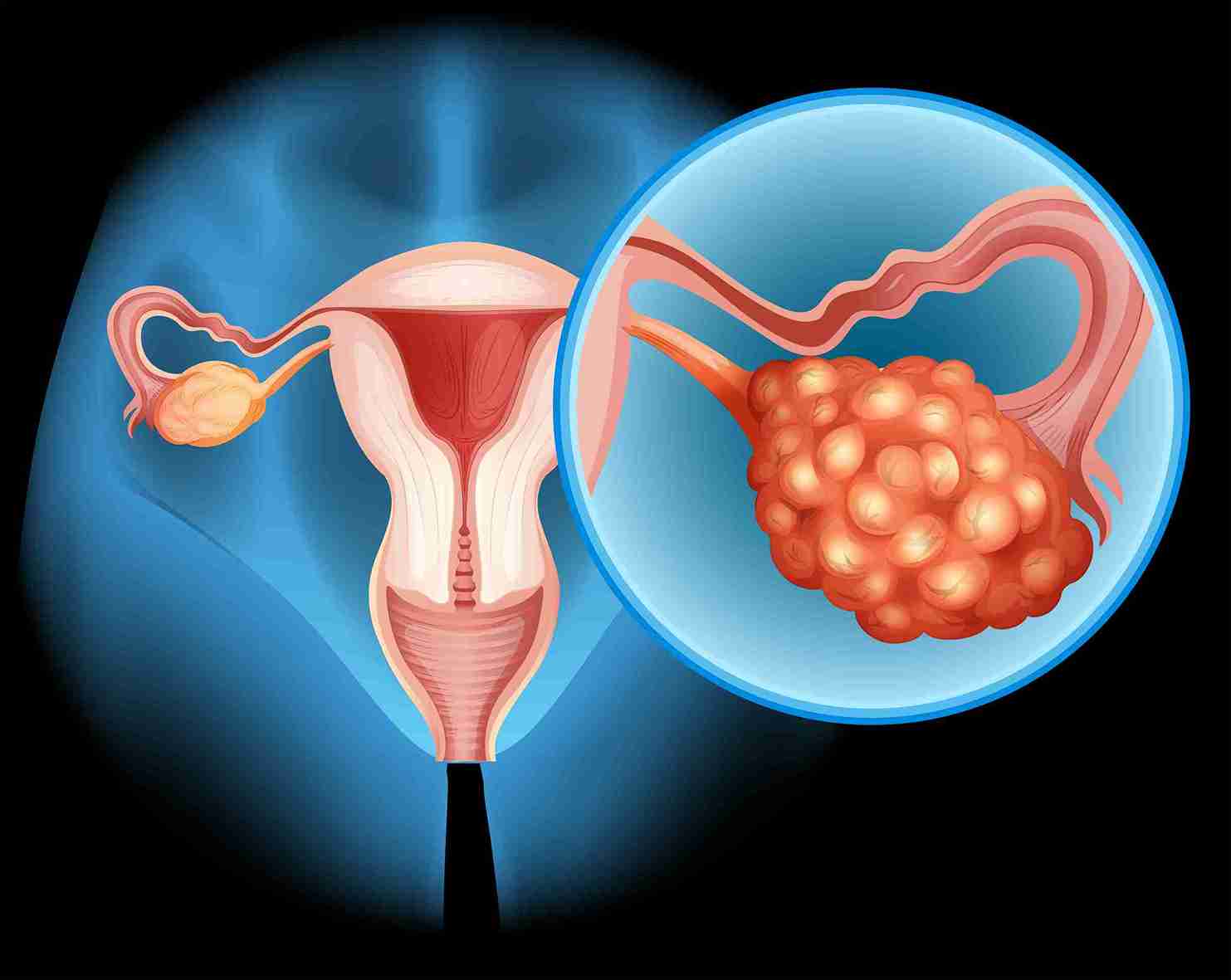
Ovarian hyperstimulation syndrome is an exaggerated reaction to the injectable hormones used to grow multiple eggs during an IVF (In-vitro Fertilization) cycle. In a normal cycle, one egg matures; in IVF, stimulation encourages many follicles to develop at once. In OHSS, the ovaries become enlarged and release substances that make small blood vessels “leaky”, so fluid shifts out of the bloodstream and collects in the abdomen - and, in severe cases, around the lungs. This fluid shift is what drives the bloating, weight gain and rarely, the breathing and circulation problems that make severe OHSS dangerous.
It is graded by how much it affects you, from mild discomfort that settles on its own to a small number of severe cases needing hospital care. The quick reference below sets out that spectrum; the section that follows explains how to tell the grades apart in real life.
Grade
How Common
What It Typically Feels Like
Mild
Very common. Up to about 1 in 5 stimulated IVF cycles may experience some degree of ovarian over-response.
Bloating, mild abdominal discomfort, slight nausea, and breast tenderness. Most people can continue their usual daily activities.
Moderate
Occurs in approximately 1–5% of IVF cycles (moderate and severe cases combined).
Persistent abdominal pain and swelling, nausea or vomiting, and noticeable weight gain. Medical review is recommended.
Severe
Occurs in fewer than 1–2% of IVF cycles.
Rapid weight gain, a tight and swollen abdomen, shortness of breath, markedly reduced urine output, or calf pain. Immediate medical attention is required.
Why OHSS matters for Indian fertility patients
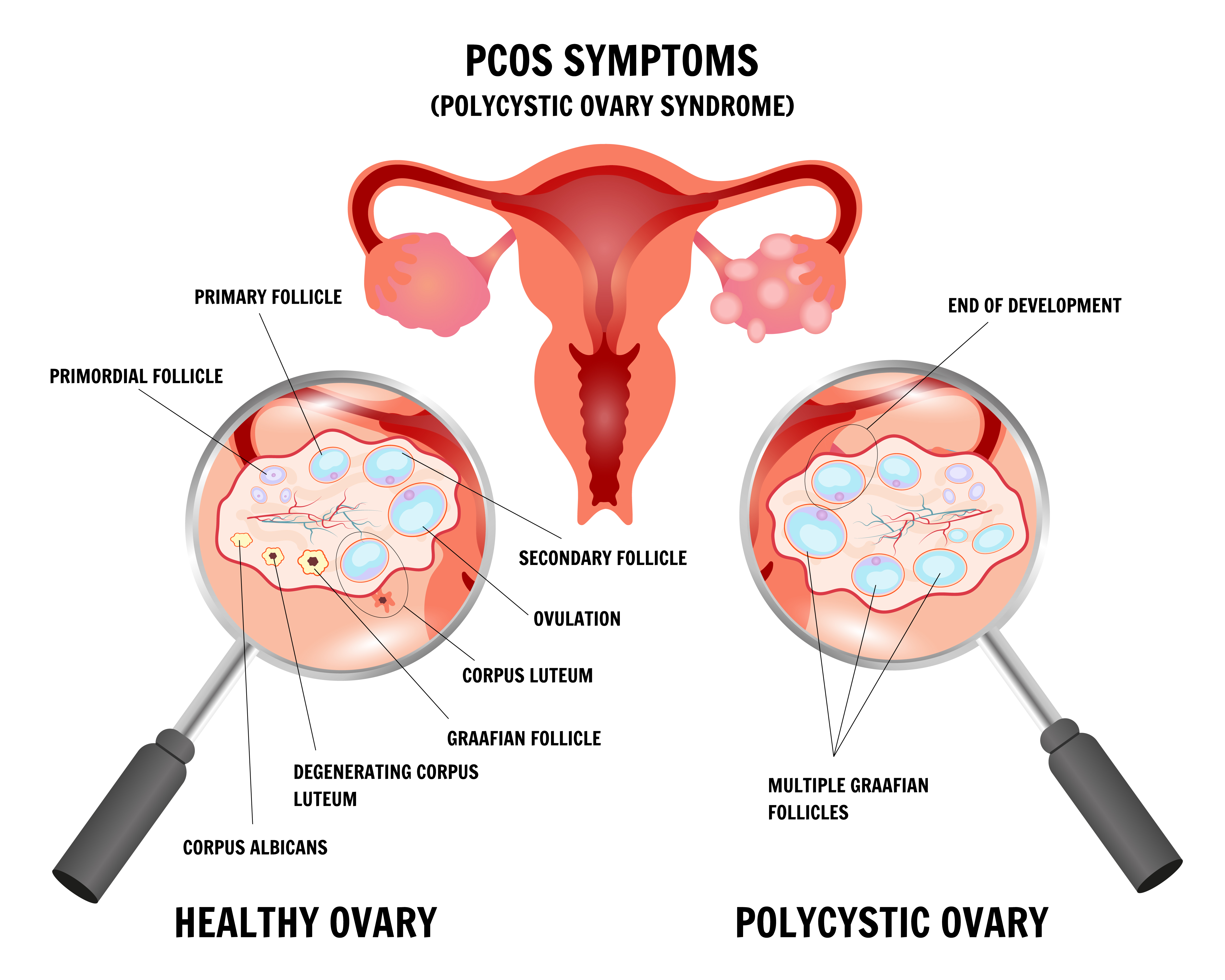
Two of the strongest risk factors for OHSS - being under 35 and having polycystic ovary syndrome (PCOS, a hormonal condition with many small follicles) - are common among women starting IVF in India. PCOS is widely reported in Indian women of reproductive age, and a large proportion of fertility patients here are in their late twenties and early thirties with a high ovarian reserve. A high reserve usually indicates good egg yield, which is encouraging, but it also means the ovaries can overrespond if stimulation is not carefully tailored.
The practical takeaway is reassuring rather than alarming: OHSS is largely predictable and increasingly preventable. A Cloudnine fertility specialist screens for these risk factors before stimulation begins and adjusts the protocol accordingly. What matters most to you as a patient is knowing the warning signs, what to monitor at home, and exactly when to pick up the phone. The rest of this guide is built around those three things.
Mild, moderate, and severe OHSS: how to tell them apart
Most people who develop OHSS have the mild form, which feels like an exaggerated version of normal post-retrieval bloating and eases over a week or so. The skill is recognising when symptoms cross from “uncomfortable but expected” into territory that needs medical input. The grades differ less in which symptoms appear and more in how intense they are, how fast they change, and whether they start affecting your breathing, urine output, or general well-being.
The symptom spectrum
Sign
Mild
Moderate
Severe – Seek Urgent Medical Care
Bloating/abdominal swelling
Mild, comes and goes
Persistent and visibly increasing
Tense, rapidly worsening abdominal swelling
Pain
Mild aching
Persistent pain that may require relief
Severe or sudden abdominal pain
Weight/girth
Little or no change
Steady weight gain or increasing abdominal girth
Rapid weight gain (see emergency thresholds)
Nausea/vomiting
Occasional nausea
Intermittent vomiting
Unable to keep fluids down
Breathing
Normal
Mild shortness of breath with activity
Shortness of breath at rest
Urine output
Normal
Slightly reduced urine output
Passing very little dark urine
Can OHSS happen after embryo transfer, or only after egg retrieval?
Both - and the timing tells your specialist something important. Doctors describe two patterns. Early OHSS appears within about nine days of the trigger injection (the final injection given before egg collection) and is driven by that injection. Late OHSS starts later, usually after an embryo transfer that has led to pregnancy, because the rising pregnancy hormone keeps the ovaries stimulated. Late OHSS tends to last longer because the hormonal drive does not switch off as quickly. This is precisely why many clinics now freeze all embryos in higher-risk cycles and transfer them later, once the ovaries have settled - it removes the pregnancy hormone surge from the equation during the riskiest window.
Is this OHSS, or just normal recovery after egg retrieval?
Some bloating, tenderness, and a heavy feeling in the lower abdomen are normal for a few days after egg collection, because the ovaries are temporarily enlarged. The features that point towards OHSS rather than ordinary recovery are the ones that escalate rather than settle: swelling that keeps increasing, weight that climbs day on day, breathlessness, and urine output that drops. As a rule of thumb, recovery discomfort plateaus and then improves, whereas OHSS tends to build. If you are five days out from retrieval and feel more bloated and breathless than the day before - not less - that change in direction is the signal to contact your clinic rather than wait.
OHSS begins with an over-vigorous ovarian response to stimulation. The enlarged ovaries release a signalling protein called VEGF (vascular endothelial growth factor), which makes nearby blood vessels leak fluid into the abdomen. The trigger injection - and, in late OHSS, the body’s own pregnancy hormone - is the spark that sets this off. Certain factors make an over-response more likely:
Polycystic ovary syndrome (PCOS): the single biggest risk factor because PCOS ovaries carry many follicles that can all respond at once.
Younger age: women under 35 tend to have more responsive ovaries, so age under 35 raises rather than lowers OHSS risk.
High AMH or high antral follicle count: AMH (anti-Müllerian hormone, a blood marker of egg reserve) and a high follicle count on scan both predict a strong response.
A large number of follicles or high estrogen during stimulation: monitored on scans and blood tests as the cycle progresses.
A previous episode of OHSS: recurrence is more likely, so the protocol is adjusted next time.
Pregnancy in the same cycle: a positive pregnancy after a fresh transfer can prolong or worsen symptoms (late OHSS).
What to do if you think you have OHSS
If you suspect OHSS, the priorities are simple: monitor a few specific things at home, support your body with the right fluids, and stay in close contact with your clinic. Self-monitoring is not about diagnosing yourself - it is about giving your specialist objective numbers and catching any worsening early.
Monitor these at home, daily
Weight: weigh yourself at the same time each morning. A rapid rise indicates fluid buildup and is one of the clearest early warnings.
Urine output: note whether you are passing urine as often and as much as usual. A clear drop, or dark, concentrated urine, is an important red flag.
Abdominal girth: A measuring tape around the widest part of your tummy, in the same spot each day, shows whether swelling is increasing.
Breathing: notice any new breathlessness, especially at rest or lying flat.
Symptom direction: ask yourself daily whether things are better, the same, or worse than yesterday. Worsening is the trigger to call.
Should I drink electrolyte water, coconut water or plain water?
This is one of the most common questions, and “just drink lots of water” is poor advice. In OHSS, fluid is leaking out of the blood vessels, so drinking large volumes of plain water alone can dilute the body’s salts and actually make you feel worse. Electrolyte-containing fluids are the better choice: oral rehydration solution (ORS) or culturally familiar options such as coconut water and lightly salted lime water help maintain the salt balance your body needs. Including protein-rich foods in your diet also supports fluid balance. The aim is steady, sensible hydration guided by thirst and urine output - not forcing fluids - and your Cloudnine specialist can give you a target suited to your situation. If you cannot keep fluids down at all, that itself is a reason to be seen.
When OHSS is an emergency: red-flag warning signs
Use the table below to decide how quickly to act. The left column lists symptoms to report to your clinic the same day; the right column lists symptoms that mean you should seek emergency hospital care without waiting.
Call Your Fertility Clinic the Same Day
Go to the Hospital or Emergency Care Immediately
Weight gain of around 1 kg or more per day, or steadily increasing over several days
Sudden weight gain of more than 2 kg within 24 hours
Bloating and abdominal swelling that continues to increase
Shortness of breath or difficulty breathing, especially when lying flat
Persistent nausea or occasional vomiting
Severe abdominal pain or a sudden worsening of pain
Passing less urine than usual
Passing very little or no urine despite adequate fluid intake
Mild calf discomfort
Calf pain or swelling, chest pain, fainting, or confusion
Severe OHSS can occasionally cause blood clots and is treated as an emergency for that reason. If you are unsure which column you are in, treat it as the more urgent one and book a fertility consultation or call your clinic’s helpline - it is always reasonable to check.
How long OHSS lasts and what it means for your cycle
For the great majority of patients, OHSS is self-limiting and leaves no lasting harm. The ovaries return to their normal size, and outcomes are generally excellent once the episode has resolved. Two questions come up constantly: how long it lasts, and whether it affects the pregnancy. The table summarises the typical picture.
Question
Typical Answer
Will mild OHSS go away on its own?
Usually, yes. Mild cases often improve with rest, adequate hydration, and close monitoring.
How long do OHSS symptoms last?
Symptoms typically last about 7–14 days. If pregnancy does not occur, symptoms usually improve as hormone levels decline. If pregnancy occurs, symptoms may persist longer (late-onset OHSS).
Does OHSS damage my ovaries or future fertility?
In the vast majority of cases, OHSS does not cause lasting damage. The ovaries usually return to their normal size within a few weeks.
Will OHSS affect this treatment cycle?
Usually not. If the risk is high, your fertility team may recommend freezing all embryos and postponing embryo transfer, helping protect your health without reducing future success rates.
Can I have a successful pregnancy after OHSS?
Yes. Once OHSS has resolved, it generally does not reduce the likelihood of achieving a healthy pregnancy.
Want to consult the best fertility in india? Please find the links below.
Find clear, trusted answers to the most common questions about IVF—designed to guide and support you every step of the way.
What does severe OHSS feel like compared with mild OHSS?
Mild OHSS feels like heavy bloating, a mild tummy ache, and some nausea, while you carry on with daily life. Severe OHSS feels markedly different and worse: a tight, rapidly swelling abdomen, breathlessness even at rest, passing very little urine, persistent vomiting, and sometimes calf or chest pain or faintness. The shift from mild to severe is usually about speed and intensity - things getting worse quickly rather than slowly easing. Severe symptoms are a medical emergency.
I have PCOS - am I more at risk of OHSS during IVF stimulation?
Yes. PCOS is the single most significant risk factor for OHSS because the ovaries contain many small follicles that can respond to stimulation simultaneously. The encouraging part is that this is well understood and managed. A Cloudnine specialist will usually use a gentler protocol, monitor you closely with scans and blood tests, and often choose a different trigger and a freeze-all approach to keep you safe. Having PCOS does not mean you cannot do IVF safely; it means the plan is tailored to your physiology.
How long does OHSS last after an IVF cycle?
Most cases resolve within about one to two weeks. If you are not pregnant, symptoms typically peak within a week or so of the trigger and then improve as hormone levels drop. If the cycle results in a pregnancy, the rising pregnancy hormone can prolong symptoms, so late OHSS may take longer to settle and needs closer monitoring. Severe cases that need hospital care can take several weeks to fully recover.
Can OHSS happen after embryo transfer, or only after egg retrieval?
It can happen at both points. Early OHSS appears within roughly nine days of the trigger injection and relates to that injection. Late OHSS appears later and is linked to a pregnancy after embryo transfer, because the pregnancy hormone keeps stimulating the ovaries. Because late OHSS is tied to the pregnancy hormone, freezing all embryos and transferring them in a later cycle is a common way to avoid it in higher-risk patients.