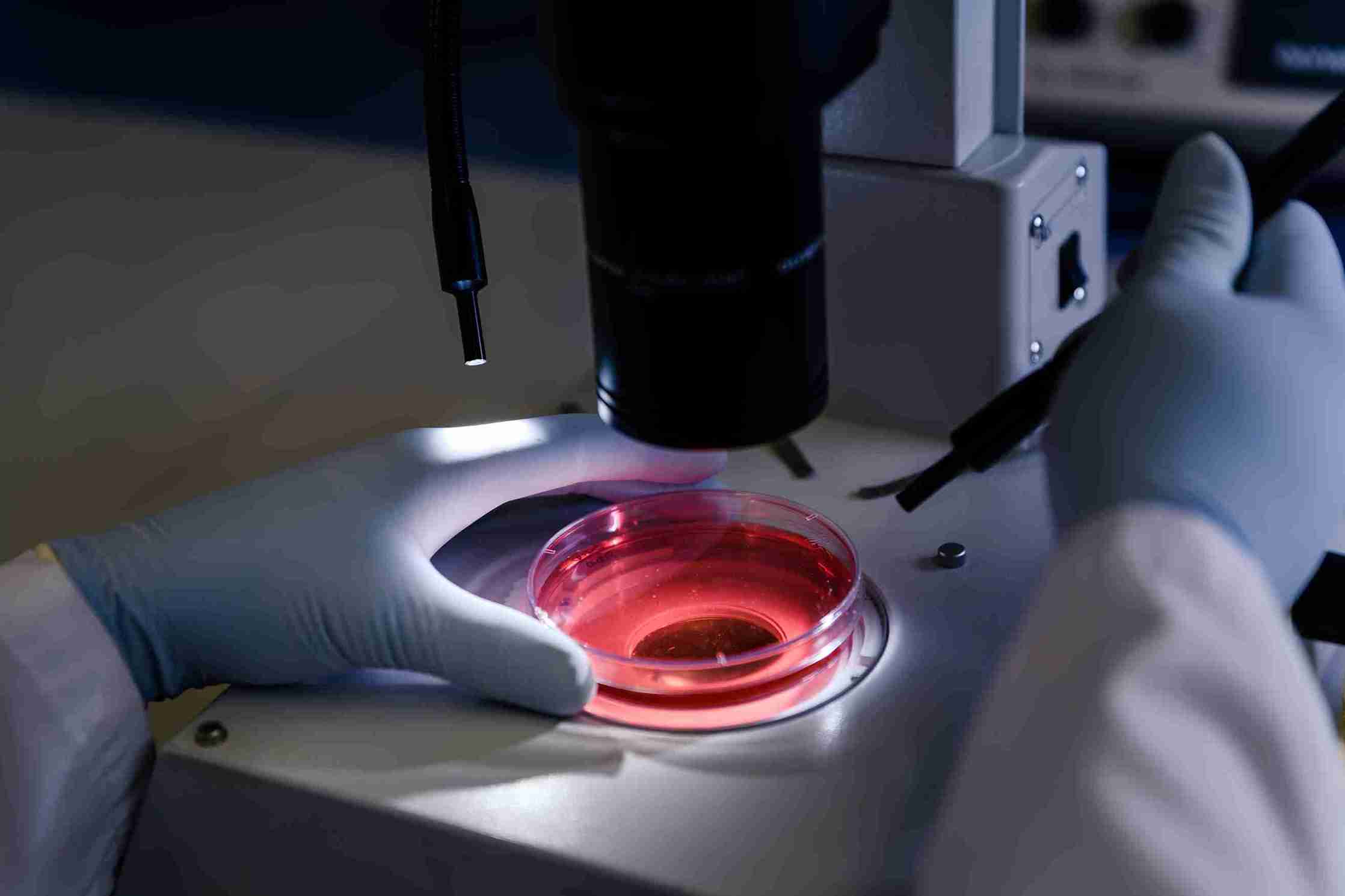
PGT-A (preimplantation genetic testing for aneuploidy) is a laboratory test performed on IVF (In-vitro Fertilization) embryos to check for chromosomal abnormalities before transfer. In India, it costs around ₹40,000 to ₹80,000 per cycle and is most useful for women over 35, couples with recurrent miscarriage, or repeated IVF failure.
What is PGT-A and how does it work?
PGT-A, short for preimplantation genetic testing for aneuploidy, is a genetic screening technique that examines the number of chromosomes in an IVF embryo before it is placed in the uterus. A normal embryo has 46 chromosomes (euploid); embryos with extra or missing chromosomes (aneuploid) rarely result in a healthy, ongoing pregnancy. By identifying which embryos are chromosomally normal, fertility specialists can prioritise the embryo most likely to implant and progress to a live birth, particularly in patients with a higher baseline risk of aneuploidy.
Term
Meaning in Plain English
PGT-A
A genetic test that counts chromosomes in IVF embryos
Euploid
An embryo with the normal 46 chromosomes
Aneuploid
An embryo with extra or missing chromosomes
Mosaic
An embryo with both normal and abnormal cells
Blastocyst
Embryo at day 5-6 of development, when a biopsy is performed
Why is PGT-A increasingly discussed in Indian IVF?
Chromosomal errors in embryos rise sharply with maternal age, and a growing share of IVF patients in India are now in their late 30s and 40s, in line with later marriage and delayed parenthood in metro cities such as Gurgaon and Delhi NCR. Indian Council of Medical Research (ICMR) data and clinic-level audits suggest that more than half of embryos from women aged 38 and above carry chromosomal abnormalities. At the same time, blastocyst culture and vitrification (rapid embryo freezing) have become routine, which makes biopsy and transfer in a later cycle technically feasible. Together, these shifts have moved PGT-A from a niche add-on to a mainstream conversation between fertility specialists and couples considering IVF.
Should you add PGT-A to your IVF cycle?
The honest answer is: it depends on your age, your reproductive history, and how many good-quality embryos you are likely to have. PGT-A does not improve the biological quality of an embryo; it simply identifies which embryos are chromosomally normal, allowing the strongest candidate to be transferred first. For some patients, this shortens the time to pregnancy and reduces the emotional and financial cost of failed transfers. For others, it can add cost without clearly changing outcomes.
PGT-A vs PGT-M vs PGT-SR - what is the difference?
All three are forms of preimplantation genetic testing, but they look for different problems. PGT-A (aneuploidy) screens for whole-chromosome aneuploidies, such as trisomy 21 (Down syndrome). PGT-M (monogenic disorders) tests for a specific inherited single-gene condition, such as thalassemia or cystic fibrosis, when one or both parents are known carriers. PGT-SR (structural rearrangements) is used when a parent carries a balanced translocation or inversion that can lead to recurrent miscarriage. Most couples considering “genetic testing in IVF” are actually asking about PGT-A; PGT-M and PGT-SR are recommended only in specific medical situations identified by a fertility specialist.
When PGT-A is most likely to help
Position papers from the American Society for Reproductive Medicine (ASRM, 2023) and the European Society of Human Reproduction and Embryology (ESHRE) suggest that the benefit of PGT-A is clearest in women of advanced maternal age - broadly 35 and above - and in patients with recurrent pregnancy loss or repeated IVF failure. In these groups, the chance that any given embryo is aneuploid is high, so testing a cohort of embryos and transferring a euploid embryo first can reduce miscarriage and time to live birth. PGT-A is also commonly considered before elective single embryo transfer, which is preferred in India to lower the risk of twins.
When PGT-A may add cost without a clear benefit
In younger patients (typically under 35) with multiple good-quality blastocysts, the proportion of euploid embryos is already high, and large studies have not shown a consistent improvement in cumulative live birth rate with the addition of PGT-A. The same is true when very few embryos are available - testing one or two embryos rarely changes the management plan and may even reduce the embryo pool if a biopsy result is inconclusive. A Cloudnine specialist will usually weigh your age, ovarian reserve markers (such as AMH - anti-Müllerian hormone), embryo numbers, and previous IVF history before recommending PGT-A.
Why do embryos become chromosomally abnormal?
Aneuploidy is rarely caused by something you did. It is mostly a biological event during egg or sperm maturation and early embryo division. The main contributors include:
Maternal age: Egg cells have been present since before birth, and chromosomal errors during egg maturation rise steeply from the mid-30s onwards.
Sperm-related factors: Severe male factor infertility, very high DNA fragmentation, or certain chromosomal carrier states can contribute, though less frequently than egg-related causes.
Random errors during embryo division: Even in young, healthy couples, a proportion of embryos will spontaneously develop with chromosomal errors.
Parental chromosomal rearrangements: If either partner carries a balanced translocation or inversion, the embryo can inherit an unbalanced form - this is the situation where PGT-SR, not PGT-A, is indicated.
Underlying recurrent miscarriage history: Couples with two or more pregnancy losses have a higher background rate of aneuploid conceptions, which is one of the strongest reasons specialists discuss PGT-A.
How is PGT-A performed, and what should you do next?
The PGT-A procedure, step by step
PGT-A is layered onto an existing IVF cycle. The broad sequence at a centre such as Cloudnine Fertility is:
Ovarian stimulation: Hormonal injections are used over roughly 10-14 days to encourage the ovaries to mature several eggs.
Egg retrieval and fertilisation: Eggs are collected under sedation and fertilised in the laboratory, typically by ICSI (intracytoplasmic sperm injection) when PGT-A is planned.
Blastocyst culture: Embryos are grown in the lab until day 5 or 6, when they reach the blastocyst stage and a small number of cells become available for testing.
Trophectoderm biopsy: The embryologist removes 5-10 cells from the outer layer of the blastocyst, which later becomes the placenta, not the baby itself.
Genetic analysis and freezing: Cells are sent to a genetics lab while the embryo is vitrified. Results usually take 1-3 weeks.
Frozen embryo transfer: A euploid embryo is later thawed and transferred in a carefully prepared cycle.
How to decide if PGT-A is right for you
Before you commit to PGT-A, it helps to be clear about your goals and constraints. Useful questions to take into your consultation include:
Reproductive history: Have you had recurrent miscarriage, failed IVF cycles, or a previous pregnancy with a chromosomal abnormality?
Age and ovarian reserve: What does your AMH and antral follicle count suggest about how many eggs you can expect per cycle?
Embryo numbers and budget: How many blastocysts are likely, and is the additional ₹40,000–80,000 better spent on PGT-A or on a second IVF cycle if needed?
Emotional cost of a failed transfer: Some couples strongly prefer the reassurance of transferring a tested embryo first, even when the absolute live birth gain is modest.
When should you see a fertility specialist about PGT-A?
PGT-A is a clinical decision, not a checkbox. The following situations are common reasons to ask a Cloudnine Fertility specialist whether PGT-A should be part of your IVF plan.
Situation
Why a Specialist Review Is Useful
Age 35 or older and starting IVF
Aneuploidy risk rises with maternal age; PGT-A may shorten the time to live birth.
Two or more miscarriages
Recurrent loss can reflect chromosomal causes that PGT-A can identify.
Two or more failed IVF transfers of good-looking embryos
Embryo quality on appearance does not always reflect chromosomal status.
Known carrier of a translocation or single-gene disorder
PGT-SR or PGT-M, rather than only PGT-A, may be indicated.
Planning an elective single embryo transfer
PGT-A can support choosing the most likely embryo to implant successfully.
If any of these apply to you, book a fertility consultation with a Cloudnine specialist to discuss whether PGT-A fits your situation.
Book an online appointment with Dr. Kiranjeet Kaur for Fertility related issues.
What outcomes can you realistically expect from PGT-A?
Outcomes from PGT-A are best understood on a per-embryo basis, not per cycle. The numbers below are typical ranges reported in published cohorts and Indian clinic audits; your own results will depend on age, embryo quality, and uterine factors. A Cloudnine specialist will personalise these figures during counselling.
Maternal Age Group
Approx. Euploid Rate per Blastocyst
Live Birth Rate per Euploid Transfer*
Under 35
55-65%
55-65%
35-37
45-55%
50-60%
38-40
30-40%
45-55%
41-42
15-25%
35-45%
43 and above
Under 10%
Variable, often <30%
Want to consult the best fertility in india? Please find the links below.
Essentially yes. PGS (preimplantation genetic screening) is the older name for PGT-A. Most international guidelines, including those from ASRM and ESHRE, now use PGT-A to better distinguish it from PGT-M and PGT-SR, which test for different genetic conditions.
Does PGT-A guarantee a healthy baby?
No. PGT-A looks only at the number of whole chromosomes. It does not test for every single-gene disorder, structural birth defects, or pregnancy complications. Routine prenatal screening during pregnancy is still recommended, even after a euploid transfer.
How much does PGT-A cost in India?
PGT-A typically adds around ₹40,000 to ₹80,000 to the total IVF bill in India, depending on the number of embryos tested and the genetic laboratory used. This is in addition to the base IVF cycle cost. Your Cloudnine specialist can give a precise estimate after reviewing your treatment plan.
Is PGT-A safe for the embryo?
Trophectoderm biopsy at the blastocyst stage, performed by trained embryologists, is considered low risk. The cells removed are from the layer that becomes the placenta, not the fetus. Large datasets to date have not shown an increase in birth defects or long-term health concerns associated with PGT-A.
Schedule your consultation Today!
Book your consultation with our fertility experts the first step toward your parenthood journey.