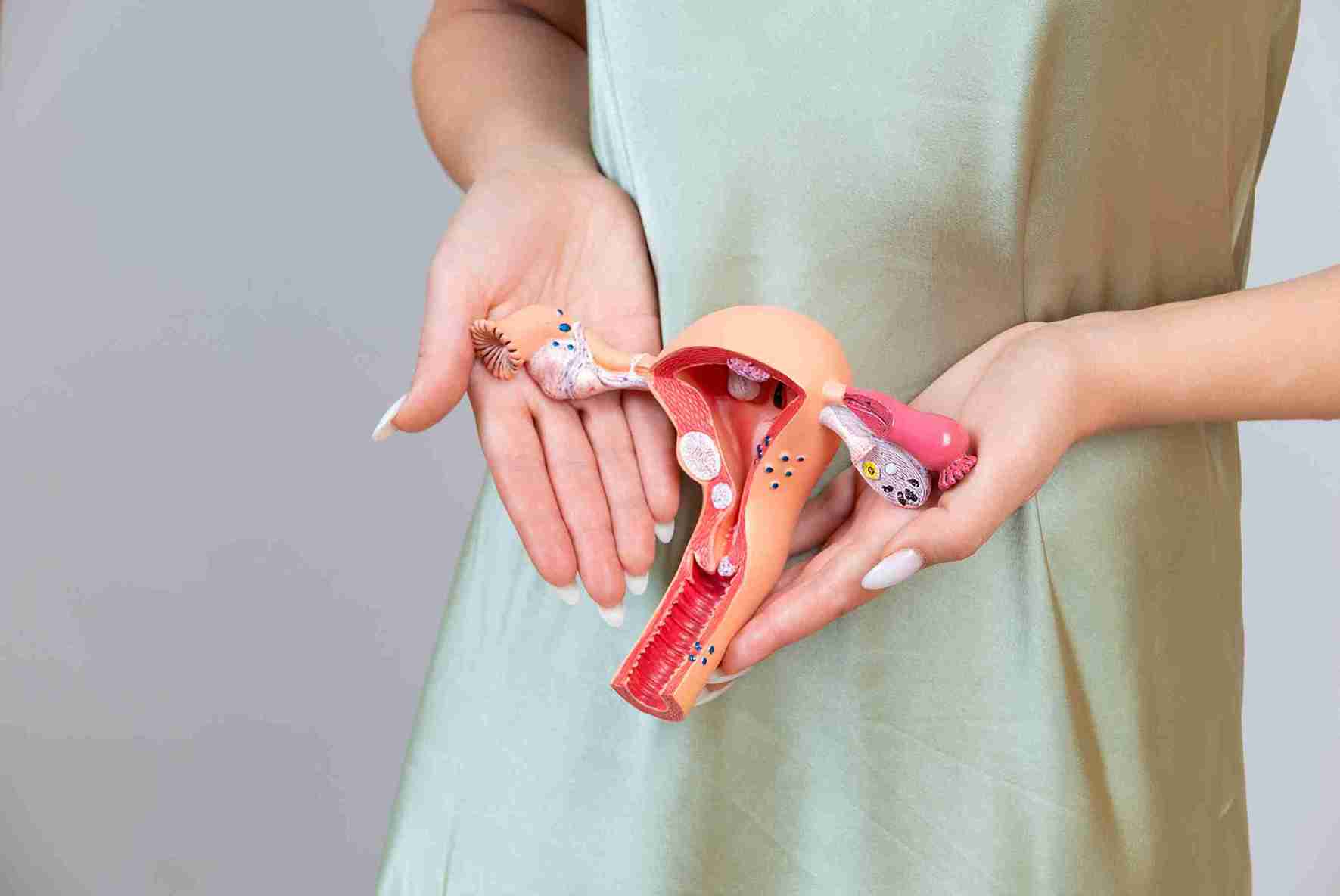
When you think about fertility, ovulation, egg quality, the fallopian tubes and sperm usually are the first to come to mind. Though it receives less attention, the cervix also plays a role in the journey towards conception.
The cervix forms the passage between the vagina and the uterus. Certain cervical problems may sometimes affect the conditions that support sperm passage, but having a cervical problem does not necessarily mean that you will have difficulty conceiving.
Understanding how the cervix fits into the reproductive process can help put any cervical finding into perspective within the wider fertility picture.
What Role Does the Cervix Play in Conception?
The cervix is the lower part of the uterus and opens into the vagina. During the menstrual cycle, hormones influence the mucus produced by the cervix.
Around ovulation, this mucus generally becomes thinner and more favourable for sperm movement. It helps sperm travel through the cervix into the uterus and onwards towards the fallopian tubes, where fertilisation may occur.
At other points in the menstrual cycle, cervical mucus is generally less favourable for sperm passage. These natural changes are part of the reproductive cycle and do not, by themselves, indicate a fertility problem.
Cervical Health and Fertility: What is the Connection?
The relationship between cervical health and fertility is mainly connected to the cervix's role as a passage for sperm on their way towards the uterus. If anything disrupts this process, it may play a role if conception is taking longer than anticipated.
However, the connection between the cervix and fertility is only one part of the conception process. Ovulation, the fallopian tubes, the uterus, age and sperm-related factors can also influence the chances of pregnancy.
This means that a cervical finding should be considered alongside other fertility factors rather than assumed to be the sole reason conception has not occurred.
Can Cervical Mucus Affect Your Chances of Getting Pregnant?
Cervical mucus changes naturally throughout the menstrual cycle. As ovulation approaches, it usually becomes thinner and more slippery, creating conditions that can help sperm move through the cervix and survive within the reproductive tract.
In some cases, having very little cervical mucus or changes that make it less favourable for sperm movement may affect the chances of conception. However, cervical mucus can vary from one cycle to another, and its appearance alone cannot tell you whether you are fertile or infertile.
When conception takes longer than anticipated, cervical mucus is evaluated together with other potential fertility factors instead of being reviewed in isolation.
Which Cervical Problems Can Affect Fertility?
The relationship between cervical problems and fertility depends on whether the problem interferes with the passage of sperm through the cervix or affects the cervical environment.
Problems that may sometimes be relevant include:
● Cervical stenosis: Narrowing of the cervical opening may make it more difficult for sperm to pass into the uterus.
● Changes following cervical procedures or surgery: In some women, procedures involving the cervix may result in narrowing or scarring that affects sperm passage.
● Certain infections or inflammation: Some infections involving the cervix may affect reproductive health and may need appropriate evaluation and treatment.
Can cervical problems affect fertility?
In some cases, they may contribute to difficulty conceiving. However, finding a cervical problem does not necessarily mean that it is affecting fertility or that it explains why pregnancy has not occurred.
How are Cervical Factors Evaluated During a Fertility Assessment?
If a cervical problem is thought to be relevant, your doctor may consider your medical history, menstrual cycles and any previous procedures or treatment involving the cervix. A pelvic examination may also be recommended when appropriate.
Further assessment may be needed if there is concern about narrowing of the cervical opening or another structural problem. Your doctor may also consider whether a broader fertility evaluation is appropriate based on how long you have been trying to conceive and your individual history.
The assessment is guided by your individual history and findings rather than by cervical mucus or a lone test.
Does Previous Cervical Treatment Mean You Will Have Fertility Problems?
Not necessarily. Many women who have undergone treatment involving the cervix can conceive without difficulty.
In some cases, a cervical procedure may lead to scarring or narrowing of the cervical opening, which could make sperm passage more difficult. Whether this is relevant depends on the type of procedure and any changes that have occurred afterwards.
If you have had previous cervical treatment and are planning a pregnancy or having difficulty conceiving, sharing this history with your doctor can help determine whether it needs to be considered as part of your fertility evaluation.
Cervical Health is One Part of the Fertility Picture
If you are having difficulty conceiving and have a known cervical problem or a history of cervical treatment, discussing it with your doctor can help establish whether it is relevant to your fertility.
The aim is not to look at the cervix in isolation, but to understand how it fits into your overall reproductive health and whether any further evaluation is needed.
FAQs
Your questions, clearly answered
Find clear, trusted answers to the most common questions about IVF—designed to guide and support you every step of the way.
Can cervical problems affect fertility?
Certain cervical problems, such as significant narrowing of the cervical opening or changes that affect sperm passage, may contribute to difficulty conceiving. But having a cervical problem does not necessarily mean that fertility will be affected.
How does the cervix play a role in conception?
Around ovulation, cervical mucus typically becomes more favourable for sperm movement, helping sperm pass through the cervix towards the uterus and fallopian tubes.
Can cervical mucus affect the chances of getting pregnant?
Yes, cervical mucus can influence how easily sperm move through the cervix. But mucus varies naturally throughout the menstrual cycle, and its appearance alone cannot determine whether someone is fertile or infertile.
What cervical conditions can make conception difficult?
Cervical stenosis, scarring or narrowing after certain cervical procedures, and some infections or inflammation involving the cervix may make conception more difficult in some women.