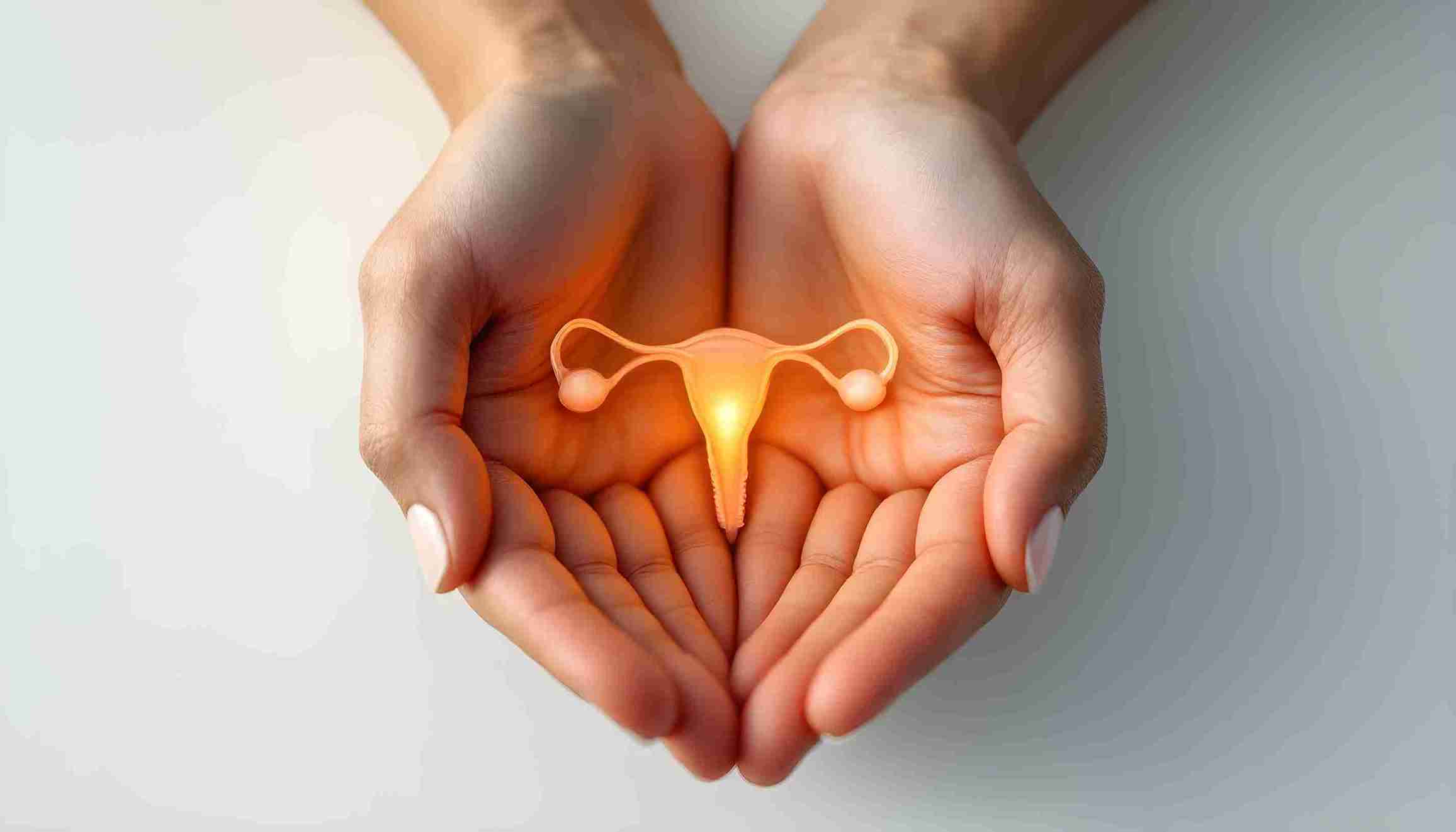
If you have just been diagnosed with cancer and may want children later, you can preserve your fertility before treatment begins. The main options are egg freezing, embryo freezing, sperm banking, and ovarian tissue freezing. For women, the process often takes around two weeks; for men, sperm banking can be done in a day or two, usually before chemotherapy or radiation starts.
What is oncofertility?
Oncofertility is the field that bridges cancer care and reproductive medicine, helping people preserve the ability to have biological children before cancer treatment damages their fertility. Chemotherapy, radiotherapy, and some surgeries can reduce or end egg and sperm production, so fertility preservation is best discussed at the point of diagnosis rather than after recovery. The table below sets out the established options at a glance.
Option
Who It Suits
What It Involves
Egg freezing
Women without a partner or those who prefer not to create embryos.
Ovarian stimulation, egg retrieval, and vitrification (flash-freezing) of unfertilised eggs.
Embryo freezing
Women with a partner or using donor sperm.
Eggs are retrieved, fertilised through IVF, and the resulting embryos are frozen for future use.
Sperm banking
Men and post-pubertal boys.
A semen sample is collected and frozen; the process is quick and non-invasive.
Ovarian tissue freezing
Women requiring urgent treatment or pre-pubertal girls.
A portion of ovarian tissue is surgically removed and frozen for potential future re-implantation.
Oncofertility in India: why timing and referral matter
Survival rates for many cancers in India are rising, which means more young patients live long enough to think about parenthood after recovery. Yet fertility preservation is still often overlooked in the rush to begin treatment. In Gurgaon and Delhi NCR, awareness is growing, but the window to act is short - the conversation needs to happen at diagnosis, not weeks into chemotherapy.
A practical barrier in India is that fertility preservation and oncology are often handled by separate teams at different hospitals. The most successful outcomes come when the two coordinate quickly, so that egg or sperm collection is completed without meaningfully delaying cancer treatment. Some advanced techniques, particularly for pre-pubertal children, are offered at only a handful of centres nationally, which makes early referral to an experienced fertility unit especially important.
How to preserve fertility before cancer treatment
The right approach depends on whether you are a woman or a man, how much time there is before treatment, and your age and overall health. Below are the established routes.
Options for women
Egg freezing (oocyte cryopreservation). You take hormone injections for roughly 10-14 days to grow several eggs, which are then collected in a short, sedated procedure and frozen by vitrification. A reassuring development for cancer patients is the random-start protocol - stimulation can begin on almost any day of your menstrual cycle rather than waiting for your next period, which can save one to two crucial weeks.
Embryo freezing. If you have a partner or choose donor sperm, the collected eggs are fertilised in the lab, and the embryos are frozen. Embryos tend to survive thawing slightly better than unfertilised eggs, but this route requires a sperm source and creates embryos jointly - something worth discussing with your partner first.
Ovarian tissue freezing. A piece of ovarian tissue is removed surgically, frozen, and later re-implanted to restore hormone and egg function. It is the only option that needs no ovarian stimulation, so it can be done within days, making it suitable when treatment cannot wait, or for girls who have not yet reached puberty. It is now considered an established (no longer purely experimental) technique internationally, though availability in India is limited to specialist centres.
Ovarian protection during treatment. Where freezing is not possible, doctors may use medication to temporarily quieten the ovaries during chemotherapy, or surgically reposition the ovaries away from the radiation field (ovarian transposition). These reduce risk but do not guarantee fertility, so they are usually combined with, not substituted for, freezing where time allows.
Options for men
Sperm banking. This is the simplest and fastest method. One or more semen samples are frozen and stored, and the process can typically be completed in a day or two, comfortably before treatment begins. For boys who have not reached puberty, testicular tissue freezing may be offered, but this remains experimental and is available only at select centres.
Why cancer treatment can affect fertility
Not every cancer treatment harms fertility, and the impact varies by drug, dose, radiation site and your age. The main reasons fertility can be affected include:
Chemotherapy. Certain drug classes can damage eggs and sperm; the effect depends heavily on the specific medication and the total dose given.
Radiotherapy. Radiation to or near the pelvis, or to the brain regions that control reproductive hormones, can impair egg, sperm, or hormone production.
Surgery. Operations involving the ovaries, uterus, or testes can directly reduce fertility.
Age at treatment. Women closer to natural menopause have less ovarian reserve to begin with, so the same treatment may have a larger effect.
Premature ovarian insufficiency. Up to around a third of female cancer patients can experience early loss of ovarian function after treatment - a key reason to preserve eggs beforehand.
What to do if you have just been diagnosed
Acting quickly and in the right order makes the biggest difference. The two priorities are protecting your treatment timeline and getting expert fertility advice in parallel.
Move fast, but in coordination with your oncologist
Ask your cancer specialist, at the very first opportunity, whether there is room in your timeline for fertility preservation and whether any short delay is safe. Most preservation can be arranged without meaningfully postponing treatment, especially with random-start stimulation for women and same-week sperm banking for men. The earlier this is raised, the more options stay open.
A fertility specialist will assess your ovarian reserve or sperm health, explain which methods suit your situation and timeline, and coordinate directly with your oncology team. If time is extremely limited, they can advise on faster routes such as ovarian tissue freezing or immediate sperm banking.
To begin without delay, book a fertility consultation at a Cloudnine Fertility centre in Gurgaon or Delhi NCR and ask specifically about fertility preservation before cancer treatment. Bringing your diagnosis and proposed treatment dates to that first appointment helps the team plan around your oncology schedule.
When to see a fertility specialist
If any of the situations below apply, seek a fertility preservation consultation as early as possible - ideally within days of diagnosis.
Situation
Why It Matters
You are of reproductive age and may want children later
Fertility preservation is generally more effective before treatment than after it.
Treatment includes chemotherapy or pelvic radiation
These treatments carry some of the highest risks to future fertility.
You have very limited time before treatment
Faster options, such as sperm banking or ovarian tissue freezing, may still be available.
The patient is a child or teenager
Specialist paediatric oncofertility options may apply and require expert consultation.
Speak to a Cloudnine fertility specialist promptly - schedule a fertility preservation consultation before your cancer treatment begins.
What outcomes can you expect?
Outcomes depend on your age, the method used, and how many eggs, embryos, or sperm are stored. The summary below sets realistic expectations; your specialist will personalise these figures for you.
Factor
What to Expect
Age at preservation
For women, future success is strongly linked to the age at which eggs or embryos were frozen—not the age when they are later used. Earlier preservation generally offers better outcomes.
Method reliability
Vitrification provides high survival rates after thawing for both eggs and embryos; embryos tend to perform slightly better overall.
Effect on cancer treatment
Established fertility-preservation methods are not known to make cancer treatment less effective.
No guarantee
Fertility preservation keeps the option of having biological children in the future, but it cannot guarantee a pregnancy. Realistic counselling is important.
In terms of cost, fertility preservation in India is broadly comparable to a standard egg-freezing cycle, with figures varying by city, clinic, and the required medication doses. Elective egg freezing is generally not covered by health insurance, although some insurers may offer partial coverage when preservation is medically indicated prior to cancer treatment. Exact pricing should be confirmed directly with the clinic, and instalment options are sometimes available.
Want to consult the best fertility in india? Please find the links below.
No. The effect depends on the specific drugs, the dose, and your age. Some regimens carry little risk while others can significantly reduce fertility, which is why preserving eggs, embryos, or sperm beforehand is the safest way to keep your options open.
How quickly can I freeze eggs before cancer treatment?
Often within about two weeks. With a random-start protocol, ovarian stimulation can begin on almost any day of your cycle rather than waiting for your next period, so the process can usually be completed before treatment starts.
What if there is no time even for two weeks?
Faster routes exist. Men can bank sperm within a day or two, and women can consider ovarian tissue freezing, which needs no stimulation and can be done within days. Your fertility specialist and oncologist will agree on the safest plan together.
Is fertility preservation covered by insurance in India?
Elective egg freezing is usually not covered. However, some insurers may provide partial support when preservation is medically indicated before cancer treatment. Check the specifics with your own insurer and the clinic.
Schedule your consultation Today!
Book your consultation with our fertility experts the first step toward your parenthood journey.