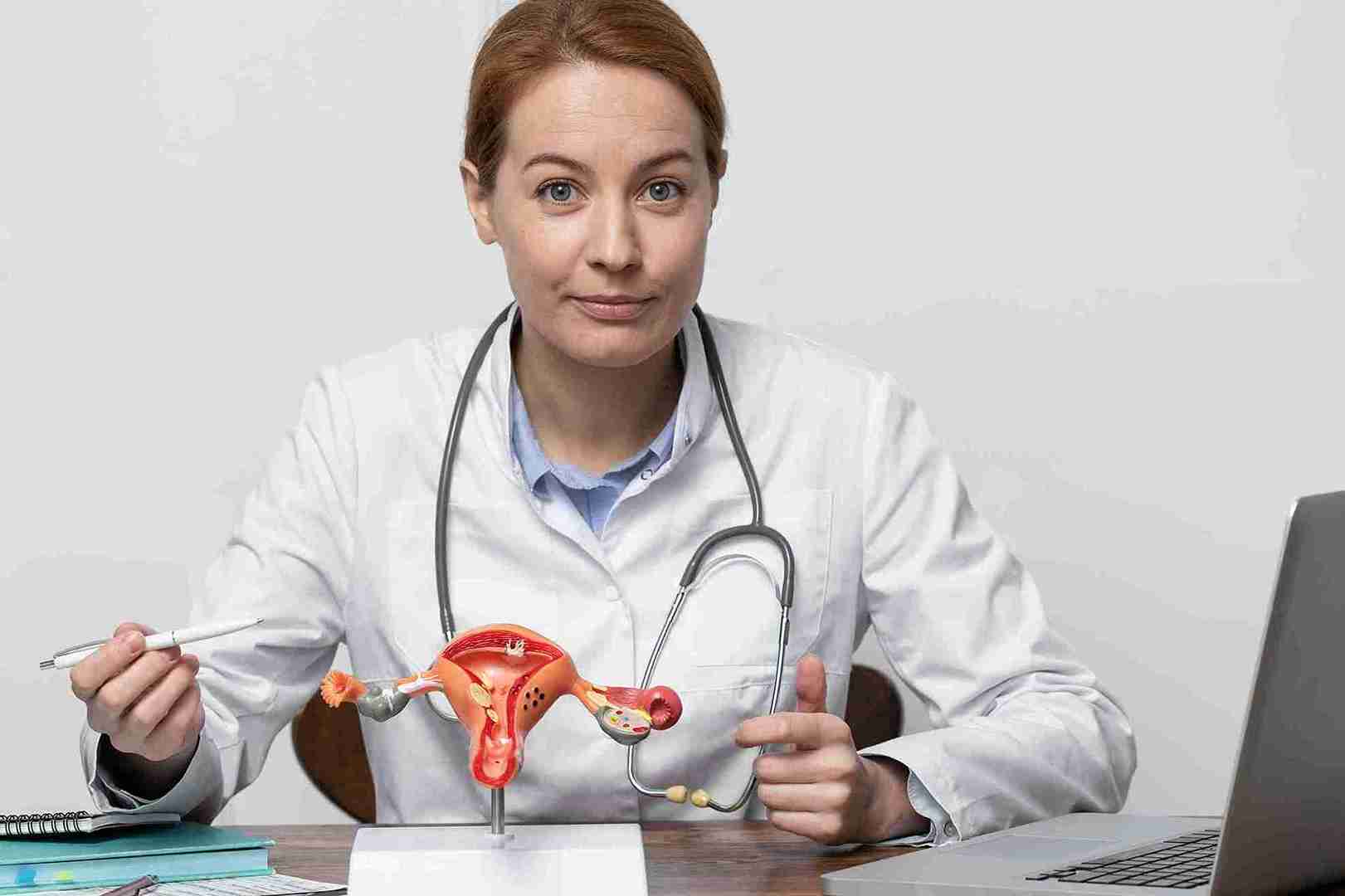
Most uterine fibroids do not affect fertility. They mainly cause problems when they push into or distort the womb cavity (submucosal fibroids) or grow larger than about 4-5 cm. Up to 70% of women develop fibroids by age 50, yet the majority conceive without difficulty. Whether treatment is needed depends on the fibroid’s size, location and your symptoms.
What Are Uterine Fibroids?
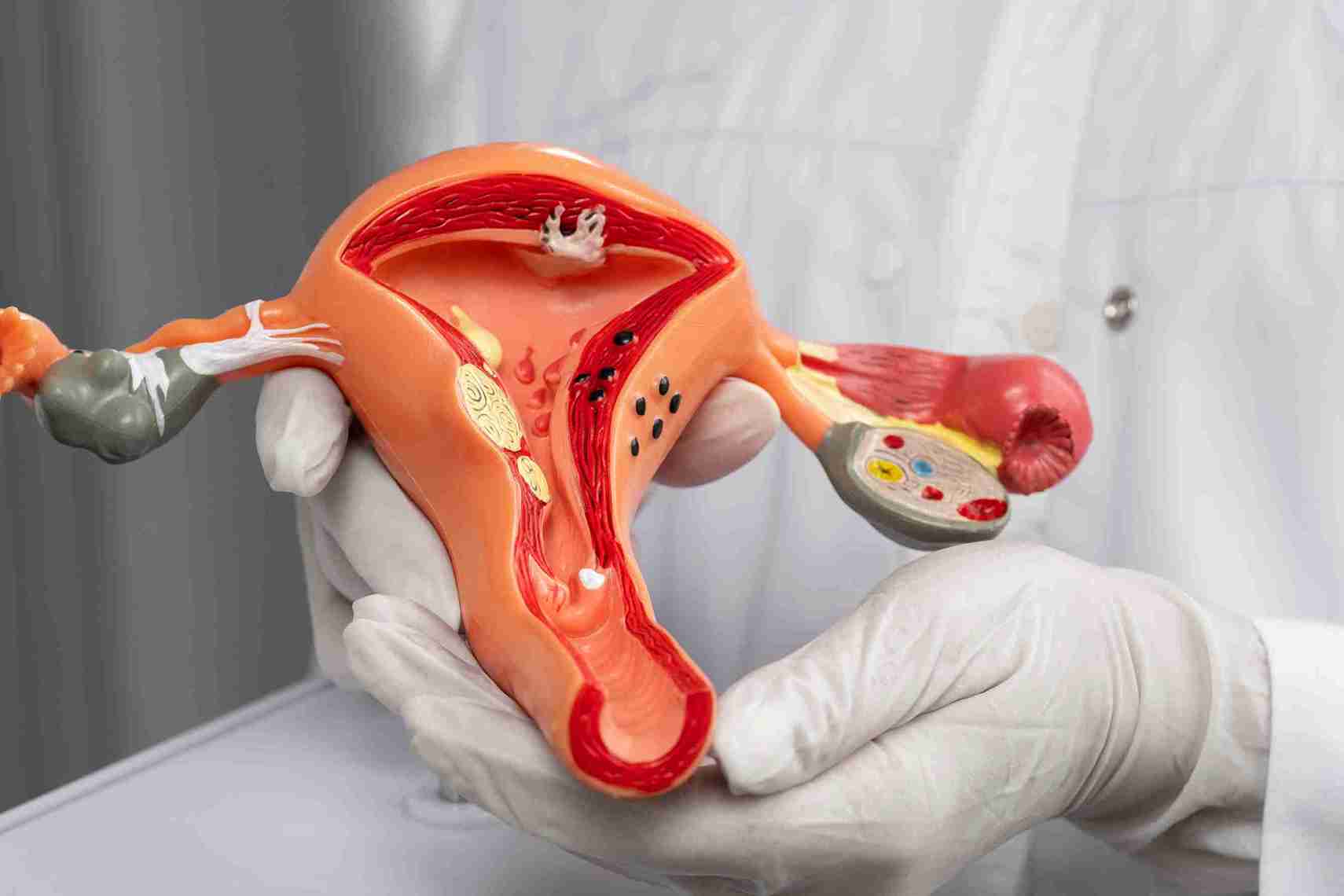
Uterine fibroids (also called leiomyomas or myomas) are non-cancerous growths of muscle tissue in or on the womb. They are extremely common and most cause no symptoms at all. Doctors classify them by where they sit, because location, far more than size, decides whether a fibroid touches your fertility. The internationally used FIGO (International Federation of Gynaecology and Obstetrics) system grades them from 0 to 8; the simplified picture is below.
Type
Where it grows
Effect on fertility
Submucosal
Bulges into the womb cavity, under the lining
Highest impact -can hinder implantation and raise miscarriage risk.
Intramural
Within the muscular wall of the womb
Variable - matters mainly if large (> 4-5 cm) or distorting the cavity.
Subserosal
On the outer surface of the womb
Little to no effect on fertility, even when large.
Pedunculated
Attached to the womb by a stalk (inside or outside)
Depends on whether it reaches the cavity.
Fibroids and Fertility in India: What to Know
Fibroids are among the most common gynaecological findings in Indian women of reproductive age, and they are often picked up incidentally during a routine scan rather than because of symptoms. For couples planning a family in Gurgaon and Delhi NCR, this means a fibroid is frequently discovered during a pre-pregnancy check or a fertility work-up, which is actually useful because it allows a plan to be made early. Diagnosis and treatment are well established across NCR: transvaginal ultrasound, saline infusion sonography, MRI, hysteroscopy, and both hysteroscopic and laparoscopic myomectomy are routinely available. Costs vary by procedure and clinic - a myomectomy and an IVF cycle each typically run into the low-to-mid lakhs of rupees, with medication and diagnostics priced separately. Because pricing differs between centres, confirm current figures with the clinic before planning treatment.
Can You Get Pregnant With Fibroids?
Yes, and most women do. Fibroids are very common, but only a minority interfere with conception or pregnancy. The honest picture is that the type and position of a fibroid matter far more than simply having one.
How each type affects fertility
• Submucosal fibroids: these have the clearest negative effect. Distorting the cavity and the lining where an embryo implants is linked to lower implantation and pregnancy rates and a higher chance of early miscarriage. Most specialists agree these should usually be removed before trying to conceive or before IVF.
• Intramural fibroids: the most debated group. Small ones that don’t reach the cavity often have little effect, but larger fibroids (commonly cited as over 4-5 cm) or any that press on or distort the lining can reduce the success rate. The decision to treat is individual.
• Subserosal fibroids: growing on the outside of the womb, these rarely affect fertility - even when sizable - unless they press on neighbouring structures.
What size of fibroid affects fertility?
There is no single “danger” number, and size alone is a weaker predictor than location. As a working guide, a submucosal fibroid of almost any size can matter because of where it sits, while an intramural fibroid is more likely to be relevant once it exceeds roughly 4-5 cm or starts to distort the cavity. A subserosal fibroid is usually judged by symptoms rather than fertility. The only reliable way to know is imaging that maps each fibroid’s exact position and relationship to the cavity.
Do fibroids affect IVF success?
Here, the evidence is more nuanced than many articles suggest. Submucosal and cavity-distorting fibroids are associated with a substantial drop in delivery rates after IVF, which is why they are typically removed first. Non-cavity-distorting intramural fibroids appear to cause a smaller reduction in live birth -meta-analyses suggest roughly a fifth to a third lower -and the effect is most relevant for larger lesions. Subserosal fibroids show no measurable effect on IVF outcomes. In short, a fibroid does not automatically lower your IVF chances; whether it does depends on the type. A fertility specialist consultation can assess your specific fibroids before treatment.
Why Do Some Fibroids Affect Fertility?
When a fibroid does interfere with conception or pregnancy, it usually works through one or more of these mechanisms:
• Distorting the womb cavity: a fibroid bulging into the cavity changes the surface where an embryo needs to implant.
• Blocking the fallopian tubes or cervix: Well-placed fibroids can physically obstruct sperm or egg transport.
• Altering blood flow to the lining: changes in local circulation can make the endometrium less receptive.
• Disrupting uterine contractions: fibroids can interfere with the gentle muscle movements that help an embryo settle.
• Raising miscarriage risk: cavity-distorting fibroids in particular are linked to higher rates of early pregnancy loss.
How Are Fibroids Diagnosed and Treated Before Pregnancy?
Because the right action depends entirely on type, size, and symptoms, accurate diagnosis comes first, followed by a treatment ladder that ranges from doing nothing to surgery.
Diagnosis: mapping the fibroids
A fertility specialist will use one or more of the following to pinpoint each fibroid before deciding on anything:
• Transvaginal and abdominal ultrasound: the first-line scan to find fibroids and estimate size and position.
• Saline infusion sonography (SIS): fluid is used to outline the cavity, clarifying whether a fibroid distorts it.
• MRI: gives the most detailed map when fibroids are multiple or large.
• Hysteroscopy: A thin camera views the cavity directly and can treat submucosal fibroids in the same sitting.
Treatment ladder: from watchful waiting to surgery
Most fibroids need no treatment for fertility. When action is warranted, the usual order is: watchful monitoring for small, asymptomatic, non-distorting fibroids; surgery, myomectomy when a fibroid distorts the cavity, is large, or causes symptoms; and IVF where fibroids sit alongside other fertility factors or where natural conception has not worked. Hysteroscopic myomectomy removes submucosal fibroids through the vagina with no external cuts, while laparoscopic or open myomectomy addresses intramural and larger fibroids. Procedures that cut off a fibroid’s blood supply are generally avoided in women who still wish to conceive, as they can affect the womb lining. After a myomectomy, specialists usually advise waiting around three to six months before trying to conceive or starting IVF, so the womb can heal. The best sequence is individual; a Cloudnine fertility specialist can recommend whether to remove a fibroid, when to operate, and how long to wait afterwards.
When Should You See a Specialist About Fibroids and Fertility?
Speak to a specialist early if any of the following apply; assessment is straightforward and widens your options.
Your situation
Suggested action
Fibroids are found on a scan, and you are planning a pregnancy
Get them mapped before trying; type and position guide everything.
Trying to conceive 12+ months (under 35) or 6+ months (35+)
Book a fertility assessment now.
Heavy or prolonged periods, pelvic pressure or pain
Evaluate fibroids and fertility together.
A known submucosal or cavity-distorting fibroid
Discuss removal before conception or IVF.
Previous myomectomy and am now trying to conceive
Confirm healing and timing before proceeding.
If you are in Gurgaon or Delhi NCR, you can book a fertility consultation to have your fibroids assessed and get a clear plan.
Fibroids and Pregnancy: Likely Outcomes by Type
Outcomes depend on the individual fibroid, your age, and any other fertility factors, so the table below is a general orientation rather than a prediction. Your specialist can give tailored figures.
Fibroid type
Typical fertility impact
Usual approach
Submucosal
Clear reduction in implantation and live birth; higher miscarriage risk
Removal (often hysteroscopic) is usually recommended before conception/IVF.
Intramural, non-distorting
Small reduction in IVF live birth, mainly if large
Monitor or remove on a case-by-case basis, weighing size and symptoms.
Intramural, cavity-distorting
Reduced pregnancy and implantation rates
Removal is commonly advised.
Subserosal
Little to no measurable effect on fertility
Usually left alone unless causing symptoms.
Want to consult the best fertility in india? Please find the links below.
Yes. Having a fibroid does not rule out IVF. Whether it should be treated first depends on its type and position: submucosal and cavity-distorting fibroids are usually removed before IVF to improve implantation, whereas small, non-distorting, or subserosal fibroids often require no treatment. Your specialist will map the fibroids and advise on the best sequence.
What size fibroid affects fertility?
There is no single cut-off, because location matters more than size. A submucosal fibroid can affect fertility at almost any size because of where it sits, whereas an intramural fibroid becomes more likely to matter once it is larger than about 4-5 cm or distorts the cavity. Subserosal fibroids are usually judged by symptoms rather than size.
Should fibroids be removed before pregnancy?
Not always. Removal is generally advised when a fibroid distorts the womb cavity, is large, or causes significant symptoms. Small, asymptomatic fibroids that don’t affect the cavity can often be left in place, with a healthy pregnancy still likely. The decision is individual and best made with a fertility specialist.
Can fibroids cause IVF failure?
They can contribute to lower success, but mainly when they distort the cavity. Submucosal and cavity-distorting fibroids reduce implantation and live birth rates, which is why they are usually removed beforehand. Non-distorting intramural fibroids have a smaller effect, and subserosal fibroids show no measurable impact on IVF outcomes.
Schedule your consultation Today!
Book your consultation with our fertility experts the first step toward your parenthood journey.