When a man is trying to have a baby, he often wonders whether changing his diet can help. There is no single food that will make a big difference in sperm count right away. Eating a variety of balanced, nutrient-rich foods may support healthy sperm production and overall reproductive health over time.
Nutrition is just one part of the picture. Regular exercise, adequate sleep, maintaining a healthy weight and avoiding harmful lifestyle habits also play an important role in male fertility. Together, these factors can help create the best possible environment for healthy sperm production. This article explores foods to improve sperm count, the nutrients that support male reproductive health, and practical dietary habits that may help improve sperm quality as part of a healthy lifestyle.
What Does Healthy Sperm Mean?
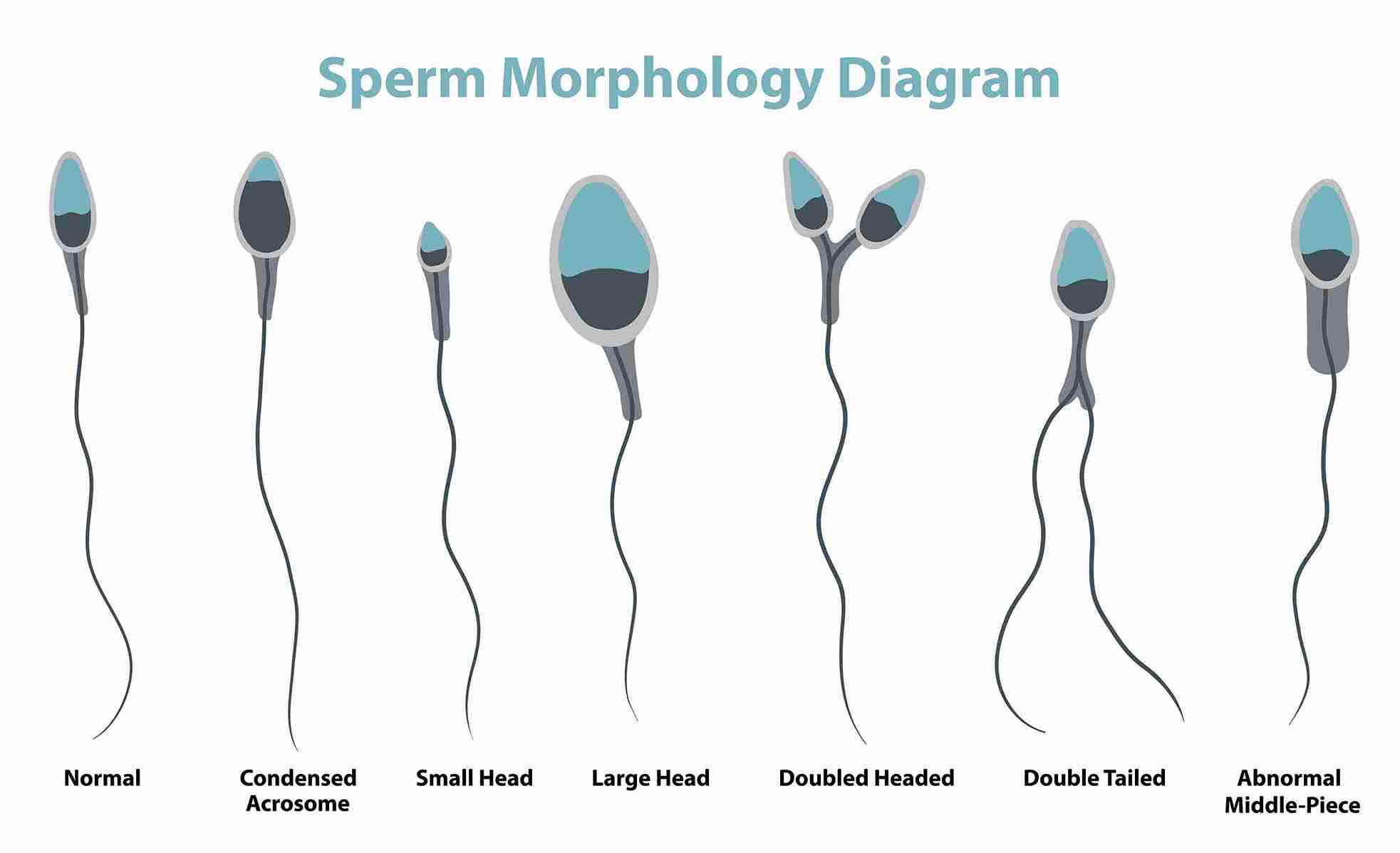
Male fertility depends on several aspects of sperm health, not just the number of sperm present. A semen analysis typically evaluates:
● Sperm count - the number of sperm in the semen
● Sperm motility - how well the sperm move
● Sperm morphology - the size and shape of the sperm
Each one plays a role in a man’s ability to make sperm that can successfully fertilise an egg. While there may not be particular foods that improve each of these factors, a balanced diet provides nutrients that support healthy sperm production and overall reproductive health. This is why discussions about foods to improve sperm count often also include foods that improve sperm quality.
Can Diet Really Affect Sperm Health?
Sperm are produced continuously, and this process depends on a steady supply of nutrients that support normal cell function and hormone production. Eating a varied, balanced diet helps provide the vitamins, minerals and healthy fats needed for overall reproductive health.
Research suggests that dietary patterns rich in fruits, vegetables, whole grains, legumes, nuts and healthy fats are associated with better semen quality in many men. However, diet alone cannot overcome every cause of male infertility. Medical conditions, hormonal disorders, genetic factors and lifestyle habits may also affect sperm health. Rather than looking for a single "fertility food", it's more helpful to focus on a consistent diet to increase sperm countthat includes a wide variety of nutrient-rich foods.
Foods to Improve Sperm Count: What the Evidence Suggests
A single food has been shown to raise sperm count on its own. Instead, some nutrients are known to support sperm growth and function. Adding many of these foods to your meals is probably better than depending on just one item.
Antioxidant-Rich Foods
Antioxidants help protect cells from stress, which can affect sperm production and function.
Good sources include:
● Leafy green vegetables
● Citrus fruits
● Bell peppers
● Tomatoes
● Berries
Eating a variety of colourful fruits and vegetables also provides vitamins and plant compounds that contribute to overall health and may support foods that improve sperm quality.
Zinc-Rich Foods
Zinc is an essential mineral involved in normal sperm production and male reproductive health.
Foods rich in zinc include:
● Pumpkin seeds
● Chickpeas
● Beans
● Cashews and other nuts
● Dairy products
Regularly including zinc-rich foods as part of a balanced diet may help support healthy sperm production.
Folate-Rich Foods
Folate plays an important role in healthy cell growth and DNA synthesis, making it an important nutrient for reproductive health.
Good dietary sources include:
● Spinach
● Lentils
● Asparagus
● Broccoli
● Avocados
Omega-3 Fatty Acids
Omega-3 fatty acids are really good for the health of cell membranes. Some studies have found that omega-3 fatty acids are associated with sperm motility.
Sources include:
● Salmon
● Sardines
● Mackerel
Plant-based alternatives include:
● Flaxseeds
● Chia seeds
● Walnuts
Protein and Other Nutrient-Rich Foods
Protein is important for health and tissue repair, while many protein-rich foods also provide vitamins and minerals that support reproductive health.
Examples include:
● Eggs
● Milk and yoghurt
● Lentils
● Beans
● Tofu
Eggs, in particular, provide high-quality protein along with nutrients such as vitamin B12 and choline. While they are a healthy addition to a balanced diet, they should be viewed as one component of an overall diet to increase sperm count, rather than a standalone fertility food.
Bananas can also be included in a varied diet. They provide vitamins, minerals and carbohydrates that contribute to overall health, although no single fruit has been shown to directly increase sperm count.
Foods Alone Aren't Enough
A healthy diet can support sperm production, but it works best alongside other healthy lifestyle habits. For many men, improving fertility involves considering overall health rather than focusing on a single food or nutrient.
Along with eating the best foods for male fertility, it's equally important to:
● Maintain a healthy weight
● Stay physically active with regular exercise
● Get adequate sleep
● Avoid smoking and recreational drugs
● Limit alcohol intake
● Manage ongoing stress where possible
● Avoid frequent exposure to excessive heat around the testicular area, such as prolonged hot tub use irregularly placing a laptop directly on the lap.
Taking a more comprehensive approach to health can yield better results than simply changing your diet to improve sperm health. It may also be helpful to speak with a fertility specialist if you are concerned about your fertility, as they can help identify any issues not related to diet that may need to be addressed.
Foods and Habits to Limit
Just as some foods can support overall reproductive health, certain dietary and lifestyle habits may have the opposite effect when followed consistently over time. While occasional indulgences are unlikely to make a significant difference, maintaining healthy habits can help support long-term sperm health.
Consider limiting:
● Highly processed and packaged foods
● Sugar-sweetened beverages
● Foods high in trans fats
● Excessive alcohol consumption
In addition, smoking and recreational drug use havebeen associated with poorer semen quality and should be avoided if you're trying to conceive. Rather than eliminating specific foods completely, aim fora balanced eating pattern that includes a wide variety of nutritious foods most of the time.
When Should You See a Fertility Specialist?
Dietary improvements can support reproductive health, but they may not be enough if an underlying medical condition is affecting fertility.
Consider speaking with a fertility specialist if:
● You've been trying to conceive without success.
● A semen analysis has shown abnormalities in sperm count, motility or morphology.
● You've experienced fertility problems in the past.
● You have a medical condition or are receiving treatment that may affect fertility.
● You have concerns about your reproductive health and would like personalised guidance.
A fertility evaluation can help identify potential causes of male infertility and determine whether additional investigations or treatments are needed alongside lifestyle changes.
Building a Diet to Increase Sperm Count
The most effective diet to increase sperm count is one that's balanced, varied and sustainable. Rather than focusing on individual foods, aim to include nutrient-rich choices from different food groups every day.
Simple habits that can support a fertility-friendly diet include:
● Eat plenty of fruits and vegetables in a variety of colours.
● Choose whole grains over refined grains where possible.
● Include protein-rich foods such as eggs, dairy, legumes, tofu or fish.
● Add healthy fats from nuts, seeds and olive oil.
● Stay well hydrated throughout the day.
● Take supplements only if recommended by your healthcare professional.
A fertility-friendly meal might include:
● Grilled fish or lentils for protein.
● Brown rice or whole-wheat roti.
● A wide variety of colourful vegetables.
● Fresh fruit on the side.
● A handful of nuts or seeds as a snack.
Small, consistent dietary changes are generally more beneficial than following restrictive diets or relying on foods promoted as quick fertility boosters.
Nourishing Your Health, Supporting Your Fertility
There is no single food that can guarantee improved fertility, but a balanced diet can help support healthy sperm production and overall reproductive health. Including a variety of foods that improve sperm count and quality, alongside regular exercise, adequate sleep, and other healthy lifestyle habits, may contribute to better sperm health over time.
If you are planning a pregnancy or have problems with male fertility, you should know that diet is just one factor that can affect fertility. A fertility specialist can assess your overall reproductive health, recommend appropriate investigations where needed and guide you towards the most suitable treatment plan for your individual circumstances.
FAQs
Your questions, clearly answered
Find clear, trusted answers to the most common questions about IVF—designed to guide and support you every step of the way.
Which foods increase sperm count the fastest?
No food has been proven to increase sperm count quickly. Healthy sperm production takes time and is influenced by overall diet, lifestyle and underlying health. A balanced diet rich in fruits, vegetables, whole grains, healthy fats and protein is more beneficial than relying on any single food.
Do eggs improve sperm count?
Eggs are a nutritious source of high-quality protein and contain vitamins and minerals that support overall health. While they can be part of a diet to increase sperm count, there is no evidence that eating eggs alone directly increases sperm count.
Are bananas good for male fertility?
Bananas provide vitamins, minerals and carbohydrates that contribute to overall health. Although fruits can be included among the best foods for male fertility, no single fruit has been shown to directly improve sperm count or fertility on its own.
Can omega-3-rich fish improve sperm quality?
Some studies suggest that omega-3 fatty acids may support sperm motility and overall sperm function. Including fish such as salmon, sardines and mackerel as part of a balanced diet may contribute to foods that improve sperm quality, although results vary between individuals.