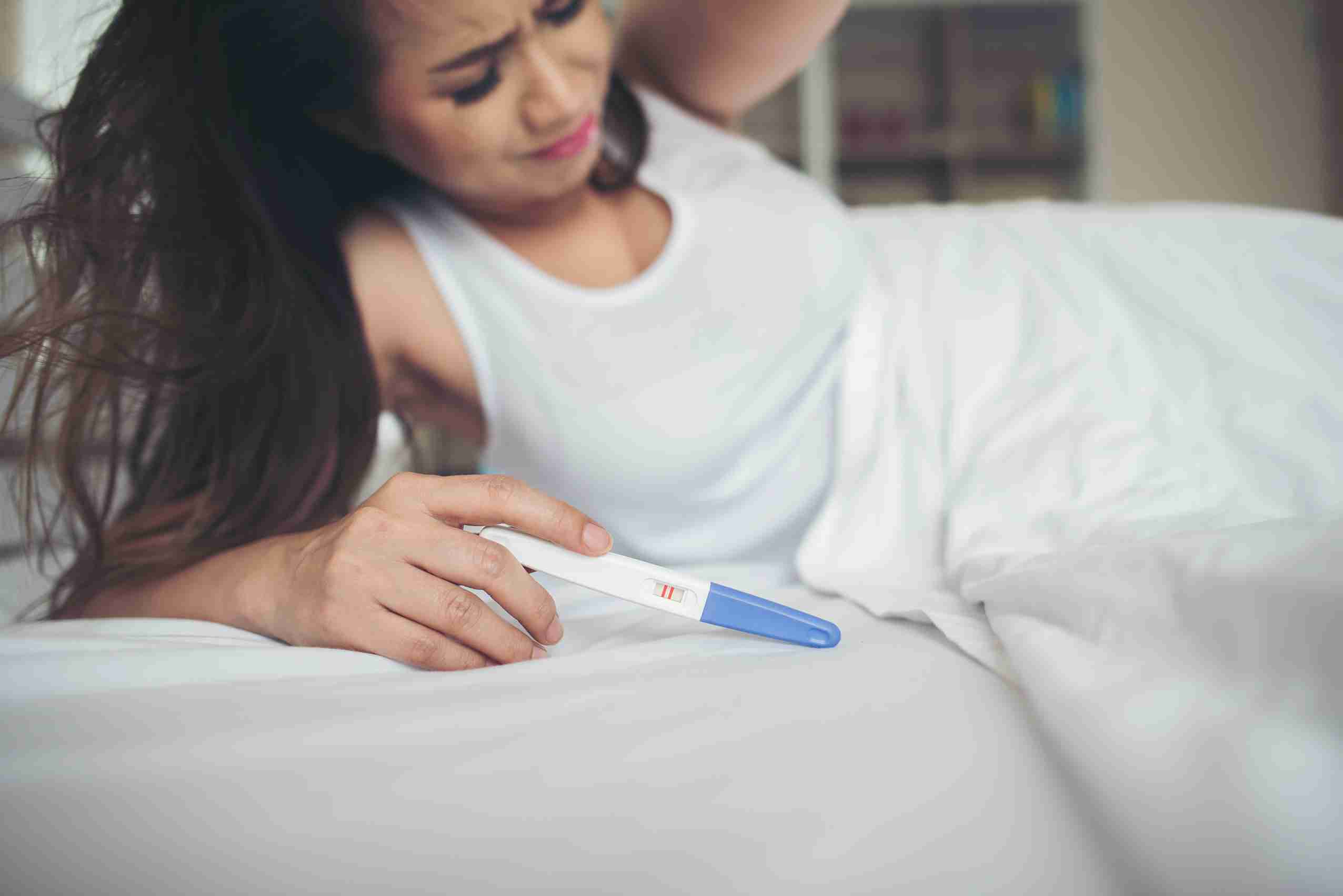
Going through one failed IVF cycle is devastating. Facing two, three, or more is a different level of exhaustion - physical, emotional, and financial. By the time a couple reaches what is considered recurrent IVF failure, the questions shift beyond what happened. They are about why it keeps happening time and again and whether anything can lead to a positive result.
Recurrent IVF failure causes are real, identifiable in many cases, and essential to investigate thoroughly before beginning another cycle. Often, after a failed cycle, couples rush into another attempt without stopping to consider if a different approach is needed. A cycle that repeats what failed before is unlikely to produce a different result.
What is a Recurrent IVF Failure?
There is no single known definition, but most specialists classify recurrent IVF failure as two or more unsuccessful cycles in which good-quality embryos were transferred. Some use three failures as the threshold. The crucial detail is that the embryos transferred were of acceptable quality, yet implantation still failed.
When the embryos themselves were poor quality, the failed cycle tells you something about egg or sperm quality. When the embryos looked good but did not implant, the investigation needs to be more precise.
Why IVF Fails Multiple Times
Embryo Quality: Not Always What it Looks Like
A visually good embryo is not always chromosomally normal. This is the single most common reason why IVF fails multiple times. An embryo can appear healthy under the microscope and still carry chromosomal errors that prevent it from implanting or developing.
Chromosomal abnormalities in embryos are more common with advancing maternal age. For women over 38, a significant percentage of embryos may be chromosomally abnormal, despite appearing healthy under the microscope. Preimplantation Genetic Testing for Aneuploidies (PGT-A) screens embryos for chromosomal errors before transfer, selecting only those with the correct number of chromosomes.
PGT-A does not improve embryo quality; it simply identifies which embryos are normal. For couples with recurrent failure, it ensures that the embryo being transferred has the best possible genetic foundation.
Implantation Problems
Even a chromosomally normal embryo needs the right uterine environment to implant. Repeated IVF implantation failure that persists even with PGT-A normal embryos often points to a problem within the uterus.
Uterine structural issues like fibroids inside the cavity, polyps, adhesions, or a uterine septum, which physically interfere with where the embryo tries to attach. These are diagnosed through hysteroscopy, which can both diagnose and address most of these issues during a single procedure.
Endometrial receptivity is when the lining of the uterus has a specific window of time when it is most receptive to an embryo. This is called the window of implantation. In some women, this window shifts, either earlier or later than the standard timing used in a frozen embryo transfer cycle. Transferring the embryo at the wrong time may mean the lining is not ready for implantation.
The ERA test (Endometrial Receptivity Analysis) assesses whether the lining is in its receptive phase at the time of transfer. If the window is determined to have shifted, the transfer timing is adjusted accordingly in the next cycle using a personalised embryo transfer (pET) approach.
A thin endometrium, defined as a uterine lining below 7 mm, is associated with lower implantation rates. Some women consistently produce a thin lining despite adequate estrogen supplementation. Treating a thin uterine lining can be tricky. Doctors may try higher doses of estrogen, use platelet-rich plasma infusions, or switch up the treatment protocol to help improve thickness.
Immune and Blood Clotting Factors
In some women, the immune system mounts an excessive response against the embryo, treating it as a foreign body. Elevated natural killer(NK) cell activity in the uterine lining and antiphospholipid syndrome are both associated with repeated IVF implantation failure.
Antiphospholipid syndrome is diagnosed through blood tests and treated with low-dose aspirin and low molecular weight heparin during the transfer cycle. Elevated uterine NK cells are more controversial - testing and treatment protocols vary between clinics, and the evidence is still developing. If you’re still having repeated failures and all the usual causes have been ruled out, it’s a good idea to talk with an immunology specialist for a deeper look.
Sperm DNA Fragmentation
Standard semen analysis checks sperm count, motility, and shape. It does not assess the genetic material inside the sperm. If sperm DNA is highly fragmented, fertilisation might still happen, but the embryos often struggle to develop or implant, no matter how healthy they seem under the microscope. Sperm DNA fragmentation testing is separate from a semen analysis and should be done after recurrent failure where the embryos have been of good quality.
Lifestyle and Systemic Health Factors
Health issues that don’t directly involve your reproductive system can still impact implantation. Thyroid disorders affect uterine receptivity and early embryo development. TSH should be within the strict pregnancy range during an IVF cycle. Vitamin D deficiency, poorly controlled blood sugar, and significant obesity all affect IVF outcomes.
Lifestyle factors affect results even in women undergoing IVF. These are modifiable and should be addressed before the next cycle.
Have thyroid function, vitamin D, and blood sugar been checked and optimised?
Has antiphospholipid syndrome been tested for?
Does the stimulation protocol need to change? A poor or excessive response in previous cycles may require protocol adjustment.
Changing the protocol can make a meaningful difference. A long protocol that worked for one patient may not suit another. Antagonist protocols, minimal stimulation, or natural-cycle frozen-embryo transfer are alternatives a specialist may consider.
Freeze-all cycles give the uterine lining time to recover from the stimulation hormones before receiving an embryo. For women who consistently experience implantation failure in fresh cycles, a freeze-all approach may improve results.
Conclusion
Recurrent IVF failure is not a dead end. It is a signal that the investigation needs to go deeper. Most couples who persist through proper investigation and protocol changes do eventually achieve a successful pregnancy, but this requires more than repeating the same cycle and hoping for different results. Ask the hard questions after each failure, complete the recommended tests, and make sure the next cycle is built on better information than the last.
Want to consult the Best Fertility in india? Please find the links below.
Find clear, trusted answers to the most common questions about IVF—designed to guide and support you every step of the way.
Can lifestyle changes improve IVF success?
Yes. Quitting smoking, drinking less alcohol, aiming for a healthy weight, fixing vitamin or iron deficiencies, getting better sleep, and lowering stress levels can all help improve egg quality, make the uterus more welcoming, and boost sperm health. Improving IVF success after a prior failure is not just about changes to medical protocols; lifestyle factors directly affect the hormonal and cellular environment on which implantation depends. Three months of consistent improvement is the minimum window to see a meaningful difference.
How many IVF failures are considered recurrent?
Most fertility specialists classify recurrent IVF failure as two or more failed cycles where good-quality embryos were transferred, and implantation did not occur. Some consider three failures. The quality of the embryos transferred matters; if embryos were consistently poor quality, the issue is different from repeated failure with good-quality embryos.
What causes recurrent IVF failure?
Recurrent IVF failure may be associated with several factors, including chromosomal abnormalities (aneuploidy) in embryos, uterine abnormalities such as fibroids or polyps that distort the uterine cavity, a thin endometrium, endocrine disorders such as thyroid dysfunction, antiphospholipid syndrome, and high sperm DNA fragmentation. In some cases, no clear cause is identified despite thorough evaluation.
What tests are recommended after repeated IVF failures?
After repeated IVF implantation failure, recommended investigations include hysteroscopy to assess the uterine cavity, ERA test to check the window of implantation, PGT-A if embryos have not been tested, sperm DNA fragmentation testing, antiphospholipid antibody screen, thyroid function, vitamin D level, and fasting blood sugar. A full review of previous stimulation protocols and embryo development records also informs what to do differently.