



Embryo Freezing at Cloudnine: Preserve Your Future

For couples with embryos to spare from IVF, or planning ahead together: vitrification, secure storage, and clear, ART-compliant consent.

Book A Consultation
No items found.
1 Lakh+
Fertility Couples
100+
Specialists
47+
Centers
16
Cities
What is Embryo Freezing?

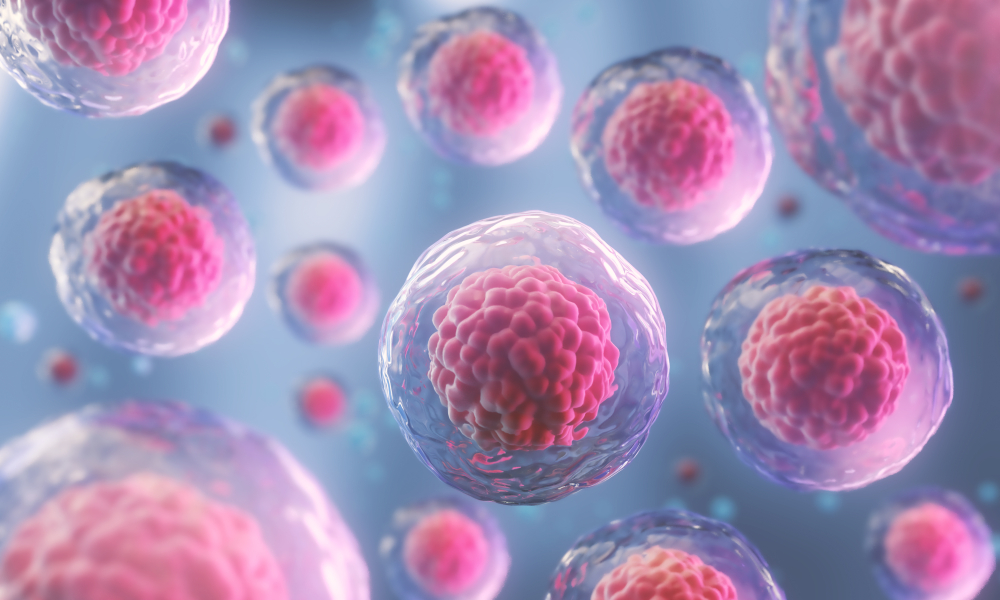
Embryo freezing, also called embryo cryopreservation, is a way of preserving fertilised embryos by cooling them to a very low temperature and storing them safely, so you and your partner can use them later in a frozen embryo transfer, or FET.

Most embryos are frozen as part of an IVF cycle, when a couple has more good embryos than they will use in one go. Others are frozen deliberately, for example before medical treatment that could affect fertility, or when the time for a baby is not now but may come later.

The freezing itself uses vitrification, a fast-freezing method that is the standard used worldwide. Embryos are usually frozen at day five, once they have grown into what is called a blastocyst, though some are frozen earlier at day three.

Because an embryo is created from both partners, freezing embryos needs both partners' consent under India's ART Act 2021. We explain exactly what that means in plain terms further down the page.

Why Choose Cloudnine for Embryo Freezing

98.9% Embryo Survival After Thawing
Cloudnine achieves a 98.9% embryo survival rate after thawing using its vitrification protocol, based on internal records.
Frozen at the strongest stage
Wherever possible, we freeze embryos at the blastocyst stage, the point at which they have the best chance of leading to a pregnancy after thawing.
NABH-accredited cryostorage
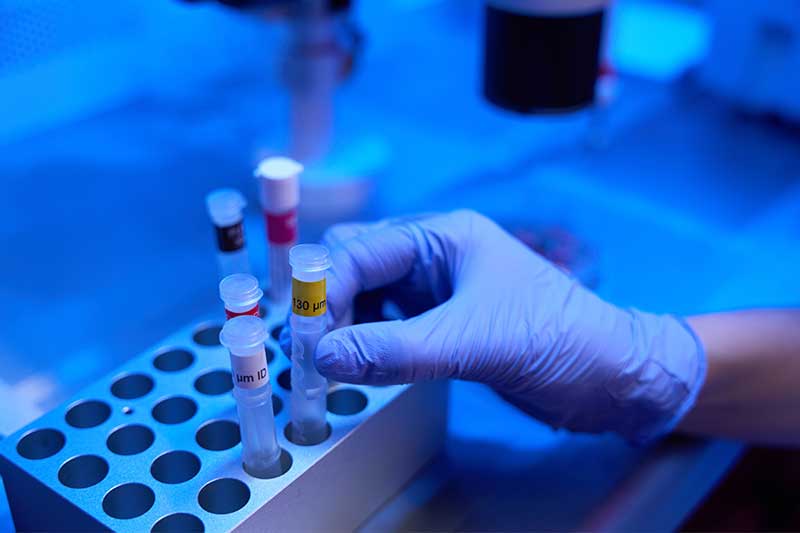
Your embryos are held in dedicated tanks with continuous temperature monitoring, alarms, backup systems, and a documented record of custody at every step.
We make the consent clear for both of you
The ART Act 2021 consent forms can feel daunting. We take both partners through them properly, so you understand every choice you are making before you make it.
The same team when you come back
When you are ready to use your embryos, the same Cloudnine team handles the thaw, the transfer, and, if it follows, your pregnancy and delivery across our 45+ centres. No switching clinics.
Every cost shown before you commit
The IVF cycle, the freezing, the annual storage, and the future FET are all shared in writing at your consultation. No surprises later. EMI options are available.

What is Embryo Freezing?

Embryo freezing, also called embryo cryopreservation, is a way of preserving fertilised embryos by cooling them to a very low temperature and storing them safely, so you and your partner can use them later in a frozen embryo transfer, or FET.

Most embryos are frozen as part of an IVF cycle, when a couple has more good embryos than they will use in one go. Others are frozen deliberately, for example before medical treatment that could affect fertility, or when the time for a baby is not now but may come later.

The freezing itself uses vitrification, a fast-freezing method that is the standard used worldwide. Embryos are usually frozen at day five, once they have grown into what is called a blastocyst, though some are frozen earlier at day three.

Because an embryo is created from both partners, freezing embryos needs both partners' consent under India's ART Act 2021. We explain exactly what that means in plain terms further down the page.

Who Should Consider Embryo Freezing?

Most couples who freeze embryos are already going through IVF and have more good embryos than they will transfer this time. Others choose to freeze on purpose: before medical treatment, around a career or a move, or because embryos suit their situation better than eggs. Here are the situations we see most, and, just as honestly, when embryo freezing is not the right call.
We have more good embryos than we will use this cycle
Freezing the extras means you can use them in a future transfer without going through a full IVF stimulation again. Most IVF cycles today include some embryo freezing.
Our fresh transfer was called off
If a fresh transfer cannot go ahead safely this cycle, freezing all the embryos lets you transfer later, in a safer one.
We are having our embryos genetically tested
Genetic testing, or PGT, needs a few days to weeks for results, and embryos are frozen while you wait.
We want to transfer one embryo and keep the rest
Transferring a single embryo and freezing the others lowers the chance of twins while keeping your future options open.
One of us is facing cancer treatment
If chemotherapy or radiation could affect fertility, freezing embryos beforehand preserves the chance of biological children together. We can usually start within days, alongside your treating doctor.
We want children together, but not yet
Freezing embryos now preserves them at today's biology, for a family you are planning for later.
We are weighing embryos against eggs
For couples, embryos usually give a better chance per unit than eggs, because the eggs have already fertilised. Our honest comparison is just below in S9.
One of us is going to be away for a long stretch
Embryos frozen now can be used in a future transfer once you are both back together.
We are using donor sperm and planning ahead
Single women and same-sex female couples using donor sperm can freeze embryos too. The ART Act 2021 framework applies, and we will walk you through it.

When embryo freezing may not be the right choice

If you are a single woman
If you are a single woman without a sperm source in mind and no near-term plan to use donor sperm, freezing eggs keeps more options open than freezing embryos.
Early in your relationship and not yet sure
If you and your partner are early in your relationship and not yet sure about embryos together, eggs preserve more flexibility.
Specialist has advised
If your specialist has advised a fresh-only approach for your situation, follow that advice.
join us today

Not sure which route fits your situation?

Book a consultation, and we will talk it through with both of you.
Call Us:
E-mail Us:

Frozen Embryo Success Rates

How well frozen embryos work comes down to three things: how old you were when the eggs were collected, the grade of the embryo, and how well it survives thawing. Here are honest numbers.
Measure
Typical range at Cloudnine
What it means
Embryo survival after thawing
Above 95%
With vitrification of blastocyst-stage embryos
Live birth per transfer, eggs collected under 35
40 to 50%
When transferring a top-grade embryo
Live birth per transfer, eggs collected at 35 to 37
35 to 45%
A slight decline
Live birth per transfer, eggs collected at 38 to 40
25 to 35%
Egg age at collection is the main factor
Live birth per transfer, eggs collected at 41+
10 to 20%
Lower. Donor egg options are often discussed
Twins with single embryo transfer
Under 2%
We prefer single-embryo transfer to keep the mother and baby safe
Methodology: Based on Cloudnine egg freezing cycles from [date range], n = [N]; live birth per thawed egg calculated from women who returned to use frozen eggs.
Cumulative view: Across 10–15 eggs frozen by a woman under 35, the cumulative chance of at least one live birth is typically 70–80%.
Honest framing: Egg freezing is not a guarantee. It buys a meaningful chance, not certainty.

Through Your Cycle: Precautions and Aftercare

  • Take your medication exactly as prescribed The timing of the injections matters. Set reminders, and do not skip or delay a dose without checking with your specialist first.
  • Ease off strenuous activity late in the cycle As the ovaries respond, they enlarge a little. Hard exercise in the last few days carries a small risk, so keep it gentle. Walking is fine.
  • Watch for signs of OHSS Some bloating is normal. Severe pain, rapid weight gain, persistent nausea, or breathlessness are not normal and mean you should call us straight away.
  • Go easy on alcohol, tobacco, and caffeine Avoid alcohol and tobacco through the cycle, and keep caffeine to about one cup a day.
  • Plan around the retrieval day Egg retrieval is a half-day procedure under sedation. Take the day off, keep the next day quiet, and have someone bring you home.
  • Eat well, stay hydrated Balanced, protein-rich meals and plenty of water support you through the cycle and the days after retrieval.
testimonials

Heartfelt stories of hope and Success

Chaithra S
Electronic City
“It's awesome experience”
It's awesome experience to get a consultation from such a good experienced doctor. Dr Nirmala and Sister Fatima assisted very well
Suraj Kumar
Dwarka
“I had a very good experience”
I had a very good experience with Cloudnine Fertility for my IUI treatment. The doctors and staff were very supportive and professional.
Akhil Dalal
Chandigarh
“Best hospital in Tricity”
Best hospital in tricity Dr Kanchi is best in reproductive treatment. Staff is good hospital meet high standard of treatment and services. We got our result positive in one ho. Thanks alot team cloudnine.
Shariq Iqbal
Varthur Road
“Staff here polite and friendly”
Staff here polite and friendly..Hospital takes care of the hygiene well.
Mannu Arushi
HiTech City
“have a good experience”
Very good staff each and every point, have a good experience
Location

Fertility care across India, closer to you

Select City
Reset
4.9
T Nagar
,
Chennai
Chennai
This is some text inside of a div block.
4.9
SB Road
,
Pune
Pune
This is some text inside of a div block.
4.9
Sector 51
,
Noida
Noida
This is some text inside of a div block.
4.9
Sector 5, Mansa Devi Complex
,
Panchkula
Panchkula
This is some text inside of a div block.
4.9
Sector 47
,
Gurugram
Gurugram
This is some text inside of a div block.
5
Sector 14
,
Gurugram
Gurugram
This is some text inside of a div block.
4.8
Old Airport Road
,
Bengaluru
Bengaluru
This is some text inside of a div block.
4.8
Malleshwaram
,
Bengaluru
Bengaluru
This is some text inside of a div block.
No results found.
Reset All
Thank you! Your submission has been received!
Oops! Something went wrong while submitting the form.
From the Expert’s Desk

Guidance you can trust at every step

Get clear, expert-backed insights into fertility treatments, timelines and decisions, so you always know what comes next.
latest blogs

Fertility insights to guide your journey

Explore expert-backed articles that answer your questions and help you make informed decisions about fertility care.
View all Blogs

Awards & Recognitions

Cloudnine continues to be recognised for excellence in fertility and maternity care, reflecting our commitment to clinical quality, patient trust and innovation.
FAQs

Embryo Freezing Questions, Clearly Answered

Clear, expert-reviewed answers to the questions couples ask us most about freezing embryos.
Curious About IVF? Let's Talk.
Call Us:
E-mail Us:

What is embryo freezing?

Embryo freezing, also called embryo cryopreservation, is the freezing and safe storage of fertilised embryos so you can use them later in a frozen embryo transfer. Most embryos are frozen as part of IVF, when a couple has more good embryos than they will use at once. At Cloudnine we freeze using vitrification, the standard used worldwide, and take both partners through the consent clearly.

How much does embryo freezing cost in India?

At Cloudnine, freezing your spare embryos during an IVF cycle costs ₹[X]–[Y] on top of the IVF, while a dedicated IVF plus freezing cycle is ₹[X]–[Y] lakh, both including the first year of storage. Storage is then billed annually from Year 2, and the future transfer cycle is a separate cost when you return.

What is the difference between embryo freezing and egg freezing?

Egg freezing stores unfertilised eggs, while embryo freezing fertilises them with sperm first and stores the embryos. Embryos usually give a better chance per unit because fertilisation is already proven, but they belong to both partners legally, which matters if circumstances change. Egg freezing keeps the decision yours alone.

What is the success rate of frozen embryo transfer?

For embryos made from eggs collected before 35, the live birth rate per transfer is typically 40 to 50% with a top-grade embryo, easing to 25 to 35% for eggs collected at 38 to 40. More than 95% of frozen embryos survive thawing with modern freezing.

How long can embryos be frozen?

Frozen embryos do not deteriorate as long as they are kept at the right temperature, and healthy babies have been born from embryos stored for well over twenty years. Their quality is set when they are frozen, not eroded by the wait. At Cloudnine, your first year of storage is included, with annual storage after that.