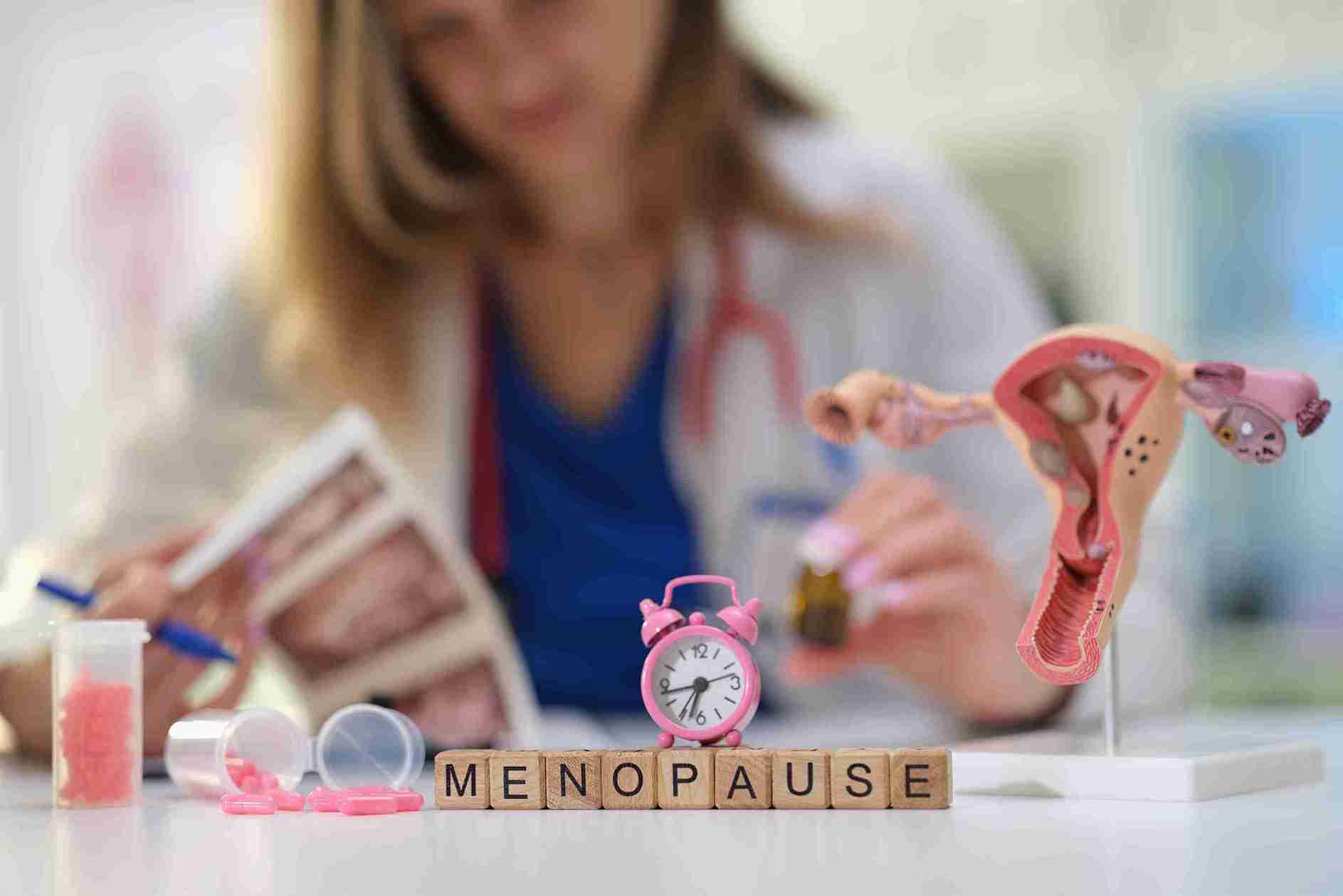
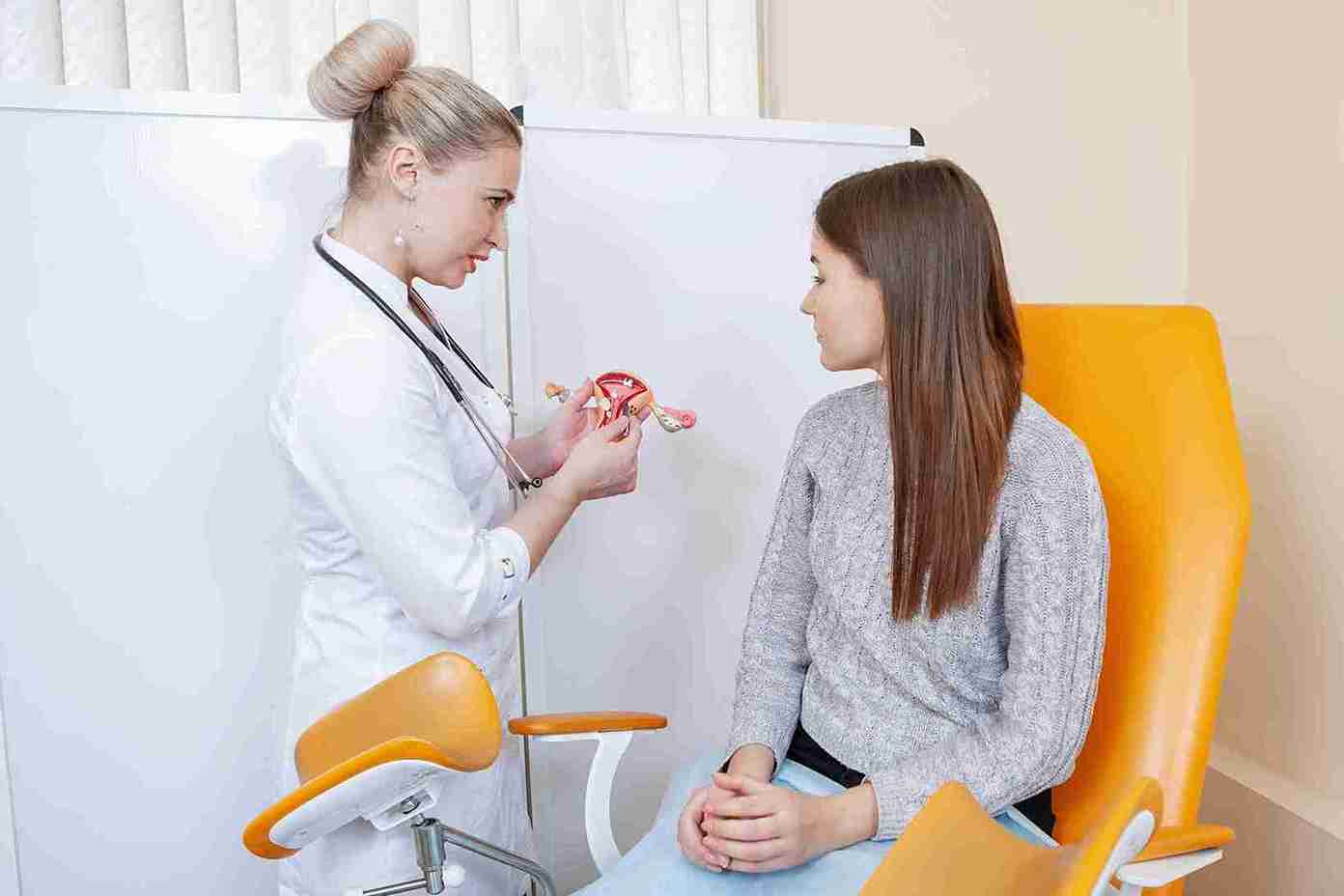
Hearing the words "early menopause" can bring up many questions, especially if you're hoping to have a baby. It's natural to wonder whether your fertility has been affected and what options may still be available.
The relationship between early menopause and fertility isn't always clear. For some women, ovarian function diminishes gradually, while others may be classified as having premature ovarian insufficiency (POI), in which case the ovaries stop functioning at all before age 40. Although conceiving may become increasingly difficult, early menopause doesn’t necessarily mean that your family-building journey has to come to an end. Exploring your options and understanding early menopause may offer you some opportunities that you had not previously considered.
Understanding Early Menopause and Premature Ovarian Insufficiency
Natural menopause usually occurs between the ages of 45 and 55. When menopause happens before the age of 40, it is referred to as early menopause or, in many cases, premature ovarian insufficiency (POI).
With POI, the ovaries do not work consistently. Some women stop having periods, while others may still have them from time to time. Because ovarian activity can vary, fertility may also vary. This is one reason why a diagnosis of premature menopause doesn't always mean pregnancy is impossible.
Does Early Menopause Affect Fertility?
Yes, it can. The effect varies from woman to woman. Fertility naturally declines with age, and with early menopause or premature ovarian insufficiency (POI), this decline may happen sooner because the ovaries produce fewer eggs and hormone levels begin to change.
Irregular or missed periods are often one of the first signs that ovulation is becoming less predictable. Some may also have an ovarian reserve, which means there are fewer eggs available to them. However, this doesn't necessarily mean that pregnancy is no longer possible.
Why Timing Matters
Premature menopause and fertility can be a source of concern, as some women may still release an egg from time to time. This is why early evaluation and prompt guidance can be important. Knowing your ovarian reserve and overall reproductive health can help you make informed decisions and explore your options.
Can You Get Pregnant After Early Menopause?
This is one of the most common questions women ask after receiving a diagnosis of early menopause or POI. The answer depends on the underlying cause and whether the ovaries are still producing eggs.
For some women with premature ovarian insufficiency, natural conception is still possible because ovarian activity may occur from time to time. In fact, a small number of women with POI conceive without fertility treatment. However, if menopause is complete and ovarian function has stopped permanently, natural pregnancy becomes unlikely.
So, can you get pregnant after early menopause? Sometimes it is possible. Even when it is hard to conceive naturally, there are other ways to have a family. Fertility treatments and assisted reproductive techniques have helped many women achieve pregnancy, depending on their individual circumstances.
Receiving a diagnosis of early menopause can be really tough to hear, but it does not mean you should give up. Visiting a fertility specialist early can help you understand where you stand and what options may be available to you.
Fertility Options for Women With Early Menopause
A diagnosis of early menopause or premature ovarian insufficiency can be difficult to process, especially if you were planning to have children in the future. While fertility may be affected, there are still several paths to parenthood, and the right approach depends on your age, ovarian reserve, and overall health.
IVF With Your Own Eggs
If the ovaries are still releasing eggs occasionally, IVF using your own eggs may be considered. The chances of success vary from person to person, but some women with premature ovarian insufficiency are able to conceive using their own eggs.
Egg Donation
When the ovaries are no longer producing eggs regularly, IVF with donor eggs may be recommended. This option has enabled many women with premature ovarian insufficiency to achieve pregnancy.
Embryo Donation and Other Family-Building Options
Some couples may decide to donate an embryo or look into other ways to have a baby, depending upon their situation and what exactly they want. Talking to a fertility specialist can help them figure out what will work best for them.
When people talk about fertility options for early menopause, they should remember that everyone's experience is different. A diagnosis of early menopause may change the path to pregnancy, but it doesn't necessarily close the door on becoming a parent.
How is Fertility Evaluated in Women With Early Menopause?
If periods have become irregular or have stopped before the age of 40, fertility tests can provide a better understanding of ovarian function and the options that may be available.
Your doctor may recommend:
AMH testing to get an idea of the number of eggs remaining in the ovaries.
FSH and estrogen levels to understand how the ovaries are functioning.
Pelvic ultrasound to assess the ovaries and estimate the number of developing follicles.
Additional tests, if needed, to identify possible underlying causes.
Although these tests cannot predict pregnancy with certainty, they provide valuable information and can guide the next steps in your fertility journey.
If your periods have become irregular, stopped before the age of 40, or you've been trying to conceive without success, it may be worth speaking with a fertility specialist. Women who have a family history of early menopause or have been diagnosed with premature ovarian insufficiency may also benefit from an early evaluation.
Getting advice does not mean something is wrong or that you will definitely need fertility treatment. It just gives you an idea of your fertility. This way, you can look at your options when you still have time. Fertility is a deal, and it is good to know your options.
Keeping Hope at the Centre of Your Journey
Being told you have early menopause or premature ovarian insufficiency can feel unexpected and, at times, overwhelming. It's natural to have questions about your future and whether becoming a parent is still possible.
While early menopause can make it harder to get pregnant, it doesn't mean you can't conceive. Some women get pregnant on their own, while others need help from fertility treatments or other ways to build a family. What's most important is knowing your situation and getting help early.
Being diagnosed with early menopause doesn't mean you can't have a baby. With the right support, many women can move forward with confidence and hope.
Want to consult the best fertility in india? Please find the links below.
Find clear, trusted answers to the most common questions about IVF—designed to guide and support you every step of the way.
Can women with premature ovarian insufficiency still become pregnant?
Yes. Even though premature ovarian insufficiency can make it harder for women to conceive, some women with this condition still release eggs from time to time. May be able to get pregnant on their own. Other women with ovarian insufficiency may be able to get pregnant, with the help of fertility treatment, depending on their own situation and how well their ovaries are working.
How does low ovarian reserve impact fertility and pregnancy chances?
Having low ovarian reserve does not mean she will not be able to get pregnant because there are many things that affect whether a woman can get pregnant, including how old she is and how healthy her reproductive system is. Premature ovarian insufficiency and low ovarian reserve are both issues that can affect pregnancy, and women in such cases should talk to their doctors about their options.
What tests are used to assess fertility in women with early menopause?
Doctors will often tell you to get blood tests like AMH, FSH and estrogen levels. They also want you to get an ultrasound to look at the ovaries. These tests give doctors a lot of information about how the ovaries are working. This information can help people decide what to do about having a baby.
Does early menopause always mean infertility?
No. When women go into menopause early or have ovarian insufficiency, it can be harder to get pregnant. That does not mean women can never get pregnant. Some women can still get pregnant on their own. Other women may need help to get pregnant, or they may want to consider other ways to have a family.