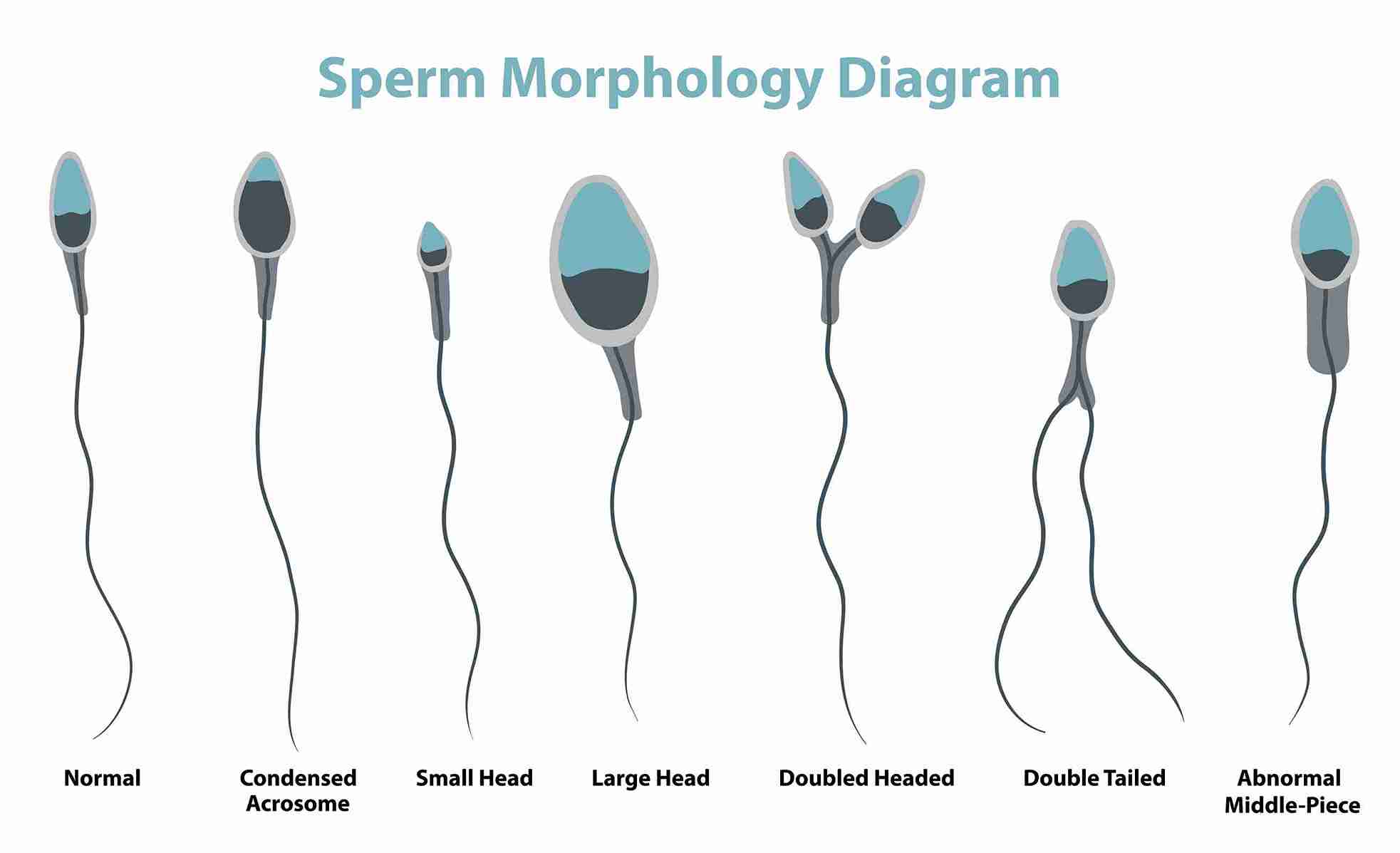
A semen analysis result with poor sperm motility is one of the more common results in male fertility testing and one of the more misunderstood. Many men assume a low motility number means conception is impossible. That is not correct. What it means is that fewer sperm are swimming effectively, which may reduce the chances of natural conception, but does not negate it. It also does not mean treatment may not help you.
Poor sperm motility is medically termed asthenozoospermia and is defined as a condition in which <32% of sperm exhibit progressive forward movement.
Understanding what causes poor sperm motility, what can be improved with lifestyle changes, and when medical treatment is needed gives you a much clearer path forward.
What is Sperm Motility and Why Does it Matter?
Sperm motility is the ability of sperm to move. There are 3 different types of sperm motility problems in men:
Progressive motility is a condition in which the sperm swim forward in a straight or curved line. This is what counts for fertilisation.
Non-progressive motility is when sperm are moving but not going anywhere useful, it may be spinning in circles or twitching in place.
Immotile sperm is sperm that does not move at all.
For natural conception, sperm need to travel from the vagina, through the cervix, up the uterus, and into the fallopian tube to reach the egg. This is a significant distance for a microscopic cell. Sperm that cannot move forward effectively simply do not make it. Even if the sperm count is normal, poor motility means very few sperm will reach the egg.
What Causes Asthenozoospermia?
Varicocele
An enlargement of the veins inside the scrotum that increases the temperature around the testes. Heat directly impairs sperm production and motility.
Oxidative stress
Sperm cells are particularly sensitive to free radical damage. Excess free radicals damage the sperm cell membrane and impair its motility.
Infection and inflammation
Past or current infections of the reproductive tract can damage sperm and reduce motility. Chronic prostate inflammation is one of the causes.
Hormonal imbalances
Low testosterone, elevated prolactin, or thyroid dysfunction can all affect sperm production and quality.
Sperm DNA fragmentation
Damaged DNA inside the sperm is associated with poor motility as well as poor embryo development.
Lifestyle factors
Smoking, alcohol, obesity, heat exposure, and very high stress all reduce sperm motility.
Antisperm antibodies
In some men, the immune system produces antibodies against their own sperm, which bind to sperm and impair movement.
How to Improve Sperm Motility Naturally
Sperm take approximately 70-90 days to mature. Changes made today will not show up in a semen analysis for about three months. This matters for planning; lifestyle changes need to be maintained consistently over that window to see meaningful improvement.
Stop smoking
Smoking is one of the clearest lifestyle causes of poor sperm motility. Cigarette smoke generates massive quantities of free radicals that damage sperm directly. Stopping is the target. Improvement in motility has been seen within three months of quitting.
Reduce or cut alcohol
Regular alcohol intake disrupts testosterone levels and damages sperm. Cutting back significantly supports both hormone balance and sperm quality.
Eat to reduce oxidative stress
A diet rich in antioxidants directly combats the oxidative damage that impairs sperm motility. Focus on: amla, guava, tomatoes, and bell peppers for vitamin C; nuts and seeds for vitamin E and selenium; green leafy vegetables and dal for folate; and walnuts and flaxseeds for omega-3 fatty acids.
Manage weight
Abdominal fat raises scrotal temperature and converts testosterone to estrogen through aromatase. Both effects reduce sperm quality. Even a reduction of 5-7% in body weight can lead to positive improvements in motility.
Reduce heat exposure
Switch from tight synthetic underwear to loose cotton boxers. Avoid keeping a laptop on your lap for hours. Take breaks from sitting. Skip long, hot baths or steam rooms during the conception period.
Manage stress
Chronic stress raises cortisol, which suppresses testosterone and disrupts the hormonal environment the testes need. Regular physical activity, adequate sleep, and deliberate wind-down time all reduce cortisol levels.
Supplements That Have Evidence Behind Them
Many supplements are commonly prescribed for low sperm motility issues and have reasonable evidence:
CoQ10 (Coenzyme Q10) directly supports energy production in sperm cells. Motility depends on energy, and CoQ10 levels in seminal fluid are linked to how well sperm can move.
Vitamins C and E give your body antioxidants that protect sperm from free radical damage. Both are included in most fertility-focused supplement combinations.
Zinc and selenium both support the structural development of the sperm tail and protect against DNA fragmentation.
Omega-3 fatty acids can improve sperm cell membrane fluidity, which affects how well the sperm moves. Fish oil or flaxseed oil is a good option.
Discuss any supplement programme with a fertility specialist or andrologist before starting.
Medical Treatment Options
When lifestyle changes and supplements are not enough, or when an underlying cause has been identified, medical and surgical options exist:
Varicocele repair - Varicocelectomy, surgical repair of the varicocele, is one of the most evidence-backed low sperm motility treatments. Improvement in semen analysis results is usually seen at 3-6 months after the surgery.
Hormonal treatment - When a hormonal imbalance is the cause, treating the hormonal condition directly often improves motility over time.
Antioxidant therapy - Prescribed antioxidant combinations are commonly used in fertility clinics as part of low sperm motility treatment for men, where oxidative stress is the suspected cause.
IUI or IVF/ICSI - When natural conception is unlikely due to significantly poor motility, assisted reproduction bypasses the need for sperm to travel independently. IUI works when motility is mildly to moderately reduced. For severe asthenozoospermia, ICSI bypasses motility entirely.
Poor sperm motility is common and, in most cases, improvable. Whether the cause is lifestyle-related, structural, hormonal, or nutritional, some steps can be taken. Give lifestyle and supplement changes a minimum of 3 months to show results. Get an underlying cause properly investigated and treated. And speak to a fertility specialist early, especially if the couple is over 35 or has been trying for more than six months.
Want to consult the best fertility in india? Please find the links below.
Find clear, trusted answers to the most common questions about IVF—designed to guide and support you every step of the way.
What is the normal sperm motility range according to a semen analysis?
According to WHO reference values, normal sperm motility requires at least 40% of sperm to show any movement, with at least 32% showing progressive forward movement. A result below these thresholds is classified as asthenozoospermia. A single semen analysis is not always definitive, as sperm quality varies with illness, heat exposure, and stress, so an abnormal result is usually repeated after two to three months.
Can poor sperm motility be reversed?
In many cases, yes. When the cause is lifestyle-related, stopping these harmful habits and making consistent changes over three months can improve motility. When a structural cause, such as a varicocele, is present, surgical repair is necessary. Even when no cause is found, antioxidant supplementation and lifestyle changes improve motility in a good proportion of men with asthenozoospermia.
Does exercise improve sperm motility?
Moderate regular exercise improves testosterone levels, reduces obesity, lowers oxidative stress, and supports the hormonal environment the testes need. These effects all support better sperm motility. However, very intense training, like marathon running or extreme endurance sports, can temporarily suppress testosterone and worsen sperm parameters. Moderate, consistent activity 3-5 times a week is the level that can answer the question of how to improve sperm motility naturally.
Can stress affect sperm motility?
Yes. Chronic stress raises cortisol, which suppresses testosterone and disrupts the hormonal signalling that drives sperm production and quality. Studies have shown that men under prolonged stress have lower sperm motility and higher DNA fragmentation. Managing stress through regular physical activity, consistent sleep, and deliberate recovery time is part of low sperm motility treatment and not just a general wellness suggestion. The effect of stress on sperm is real and measurable.