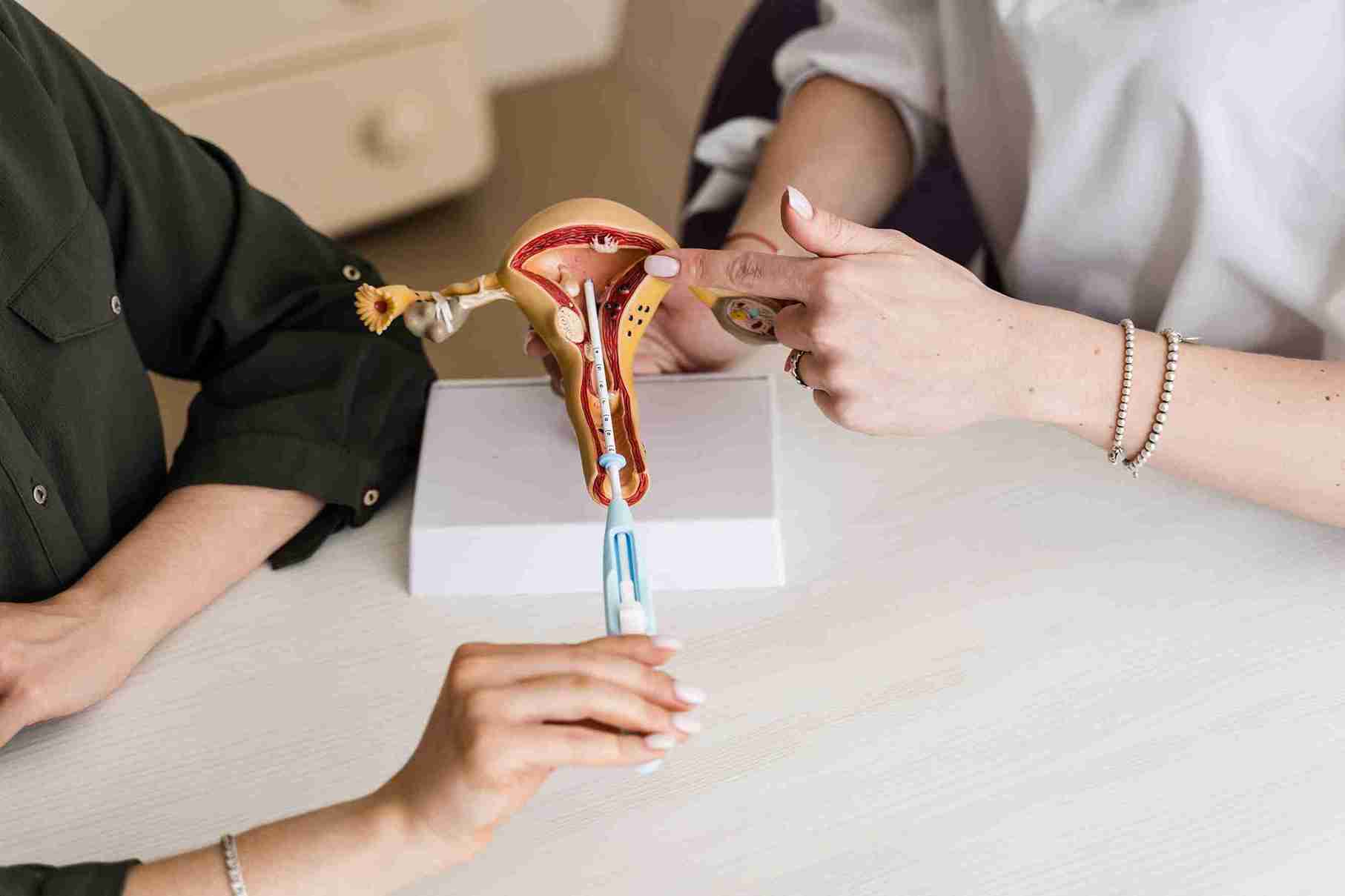
Finding out that you have a uterine polyp while trying to conceive can naturally raise questions about whether it could affect your chances of pregnancy.
Uterine polyps are usually benign growths that develop from the lining of the uterus. Many cause no problems at all. However, depending on factors such as their size and location, some polyps may be relevant when fertility or implantation is being evaluated.
What are Uterine Polyps?
Uterine polyps, also known as endometrial polyps, are growths that develop from the endometrium, the tissue lining the inside of the uterus. They can vary in size, and a woman may have one or more polyps.
Most uterine polyps are benign, and some may be present without causing noticeable symptoms.
What are the Symptoms of Uterine Polyps?
Not everyone with a uterine polyp experiences symptoms. When uterine polyp symptoms do occur, changes in menstrual or vaginal bleeding are among the most common.
The symptoms may also include:
● Bleeding or spotting between periods.
● Irregular menstrual bleeding.
● Heavy menstrual bleeding.
● Bleeding after menopause.
Some women may have no noticeable symptoms and only learn about a polyp during an investigation for another reason, including fertility evaluation.
Uterine Polyps and Fertility: Is There a Connection?
The relationship between uterine polyps and fertility can vary from one woman to another. Having a polyp does not automatically mean that you will have difficulty becoming pregnant.
However, endometrial polyps and fertility may be linked in some women, as polyps may contribute to difficulties with conception. Their potential significance may depend on their size, number, and location within the uterine cavity, as well as other factors that may affect fertility.
Finding a polyp during a fertility evaluation therefore does not necessarily mean that it is the reason for difficulty conceiving. It is considered one part of the wider fertility picture.
Can Uterine Polyps Affect Implantation?
For a pregnancy to begin, an embryo needs to attach to the endometrium, the lining of the uterus. Because uterine polyps develop from this lining and extend into the uterine cavity, their presence may sometimes be relevant to implantation.
The possible relationship between uterine polyps and implantation may depend on factors such as polyp size and location. Polyps may affect the uterine environment or the implantation site, but this does not mean that every polyp will interfere with implantation.
Do Uterine Polyps Affect IVF Success?
A uterine polyp discovered during IVF treatment does not necessarily mean that the treatment will be unsuccessful. Because embryo transfer involves placing an embryo into the uterine cavity, a fertility specialist may assess the characteristics of the polyp and whether it could be relevant before proceeding.
Whether treatment is needed is determined by the individual clinical situation rather than simply by the presence of a polyp.
How are Uterine Polyps Diagnosed?
Uterine polyps may be detected during an ultrasound of the uterus. If a clearer view of the uterine cavity is needed, your doctor may recommend further evaluation.
This can include:
● Saline infusion sonography: Fluid is introduced into the uterus during an ultrasound to provide a clearer view of the uterine cavity.
● Hysteroscopy: A thin instrument with a camera is passed through the cervix to examine the inside of the uterus directly.
Hysteroscopy can also allow a polyp to be removed when treatment is considered appropriate.
Do Uterine Polyps Always Need to be Removed?
No. Finding a uterine polyp does not automatically mean that it needs to be removed.
The decision depends on factors such as whether the polyp is causing symptoms, its size and location, and whether you are trying to conceive or undergoing fertility treatment. Your doctor will also consider the wider clinical picture before recommending whether removal is appropriate.
When removal is advised, it is commonly performed using hysteroscopy, allowing the polyp to be removed from within the uterine cavity.
Can Fertility Improve After Polyp Removal?
When a uterine polyp is thought to be relevant to fertility, removal may be considered as part of fertility management.
However, fertility depends on many factors, and removing a polyp does not guarantee pregnancy. The potential benefit of removal will vary depending on the polyp's characteristics and whether other factors affect fertility.
Planning Pregnancy With Uterine Polyps
If a uterine polyp is found while you are trying to conceive, it should be considered alongside other aspects of fertility, such as ovulation, the fallopian tubes, age and sperm-related factors.
Based on the overall picture, your fertility specialist can advise whether the polyp can be monitored or whether treatment may be helpful before trying to conceive or proceeding with fertility treatment.
Understanding What a Polyp Means for Your Fertility
Finding a uterine polyp while trying to conceive does not by itself tell you whether it will affect your chances of pregnancy. What matters is whether the polyp is likely to be relevant to your fertility and whether monitoring or treatment is appropriate in your situation.
Want to consult the Best Fertility in india? Please find the links below.
Find clear, trusted answers to the most common questions about IVF—designed to guide and support you every step of the way.
Can uterine polyps affect fertility?
Uterine polyps may be associated with reduced fertility in some women, but having a polyp does not necessarily mean that you will have difficulty conceiving. Their relevance varies according to the individual situation.
Can uterine polyps affect embryo implantation?
Some uterine polyps may affect the uterine environment or the area where an embryo implants, with their potential relevance depending on factors such as size and location. However, not every polyp interferes with implantation.
Do endometrial polyps cause infertility?
Endometrial polyps are associated with reduced fertility in some women, but they should not automatically be considered the cause of infertility. Other factors may also affect the chances of conception.
What are the symptoms of uterine polyps?
Many uterine polyps cause no symptoms. When symptoms occur, they commonly include irregular menstrual bleeding, spotting between periods, heavier periods or bleeding after menopause.