For many people starting IVF, the injections are the part they worry about most.
How many will there be? Will they hurt? What happens if I make a mistake?
It's perfectly normal to have these concerns, since self-injecting is unfamiliar territory for most people. The good news is that IVF injections are a routine part of treatment, and once you understand what they're doing and how they're used, the process often feels much less intimidating. And here's something many women say afterwards: the anxiety beforehand was often worse than the injections themselves.
What Are IVF Injections and Why Are They Needed?
Simply put, IVF injections are hormone medications that encourage the ovaries to produce multiple eggs during one treatment cycle.
In a natural cycle, only one egg usually matures. IVF works differently. Since not every egg will fertilise or develop into an embryo, doctors useIVF hormone injections to help several eggs mature simultaneously. This gives embryologists more eggs to work with and increases the chances of obtaining healthy embryos for transfer or freezing. The exact medicines and doses vary from one person to another. Factors such as age, ovarian reserve, hormone levels, and previous treatment history all influence the treatment plan.
So, What Types of Injections Are Used During IVF?
Not every patient receives the same medications. But most IVF cycles involve three main types of injections.
Stimulation Injections
These are the injections people usually think about when they hear "IVF injections." Their job is to encourage multiple follicles to grow so that several eggs can mature during the cycle.
Injections That Prevent Early Ovulation
As the follicles develop, additional medications may be used to stop the body from releasing the eggs too early. Think of them as helping the cycle stay on schedule.
Trigger Injection
Towards the end of stimulation, a trigger injection helps the eggs reach their final stage of maturity before egg retrieval. Timing is especially important for the trigger shot. Unlike daily injections, it must be administered at a precise time since the egg retrieval procedure is scheduled based on when the trigger is given.
How Do IVF Hormone Injections Help the Ovaries?
In a normal menstrual cycle, the body selects one dominant follicle. IVF aims to recruit several follicles instead. That's where fertility injections for IVFcome in. They provide the hormones needed to support the growth of multiple follicles, allowing several eggs to mature together. Why does this matter? Because IVF is often a numbers game. Not every egg collected will fertilise. Not every fertilised egg will become an embryo. And not every embryo will be suitable for transfer or freezing.
Having multiple eggs available gives the IVF team more opportunities and helps maximise the chances of success within a single cycle.
How to Take IVF Injections: A Practical Guide
This step is often the most anxiety-inducing. The thought of self-injection can feel daunting at first, but most people adjust within a few days.
Timing Matters More Than Perfection
Understanding how to take IVF injections correctly includes following a consistent schedule as advised by your doctor. Your clinic will usually tell you to take the injections at the same time every day. If you are an hour early or late, sometimes the injections may still work. It is always better to follow the schedule.
Most Injections Go Just Under the Skin
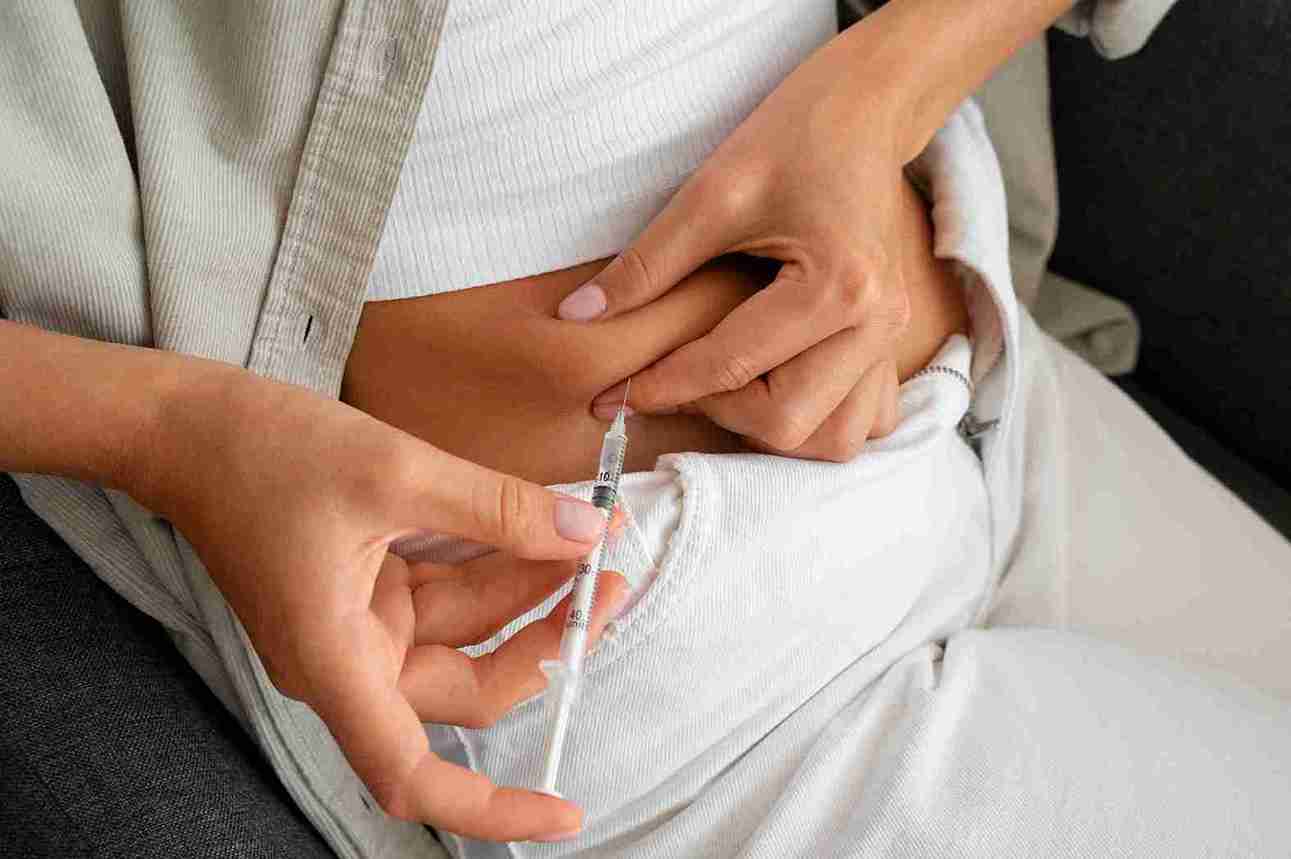
Many IVF medications are given as subcutaneous injections, usually into the abdomen or thigh. The needles are very small and are often much less painful than people expect.
Rotate Injection Sites
Changing the injection site slightly each day may help reduce soreness or bruising.
If You Miss a Dose, Don't Panic
Mistakes happen.
Missing a dose doesn't automatically mean the cycle has failed. Contact your fertility team as soon as possible so they can guide you on the next steps. And that's worth remembering throughout IVF. The goal isn't perfection. It's following the plan as closely as possible.
Do I Have to Give the Injections Myself?
This is not always the case. A lot of patients figure out how to give the fertility injections to themselves at home after they get some training from the fertility team that is helping them. Some prefer to have a partner, family member, or healthcare professional assist with the injections instead. The clinic where you are getting your treatment will show you how to take the injections and make sure you feel comfortable with them before you start doing them on your own.
Do IVF Injections Hurt?
Usually less than people expect. Most IVF injections use very fine needles, and many patients describe the sensation as a brief sting or mild discomfort rather than pain.
Some temporary side effects are common, including:
Mild redness at the injection site
Bloating
A feeling of fullness in the abdomen
Breast tenderness
Mood changes
Temporary fatigue
These symptoms are usually related to the hormones rather than the injection itself. The bigger challenge, according to many patients, is often remembering the schedule rather than coping with the injections.
When Are IVF Injections Started?
It depends on your treatment protocol.
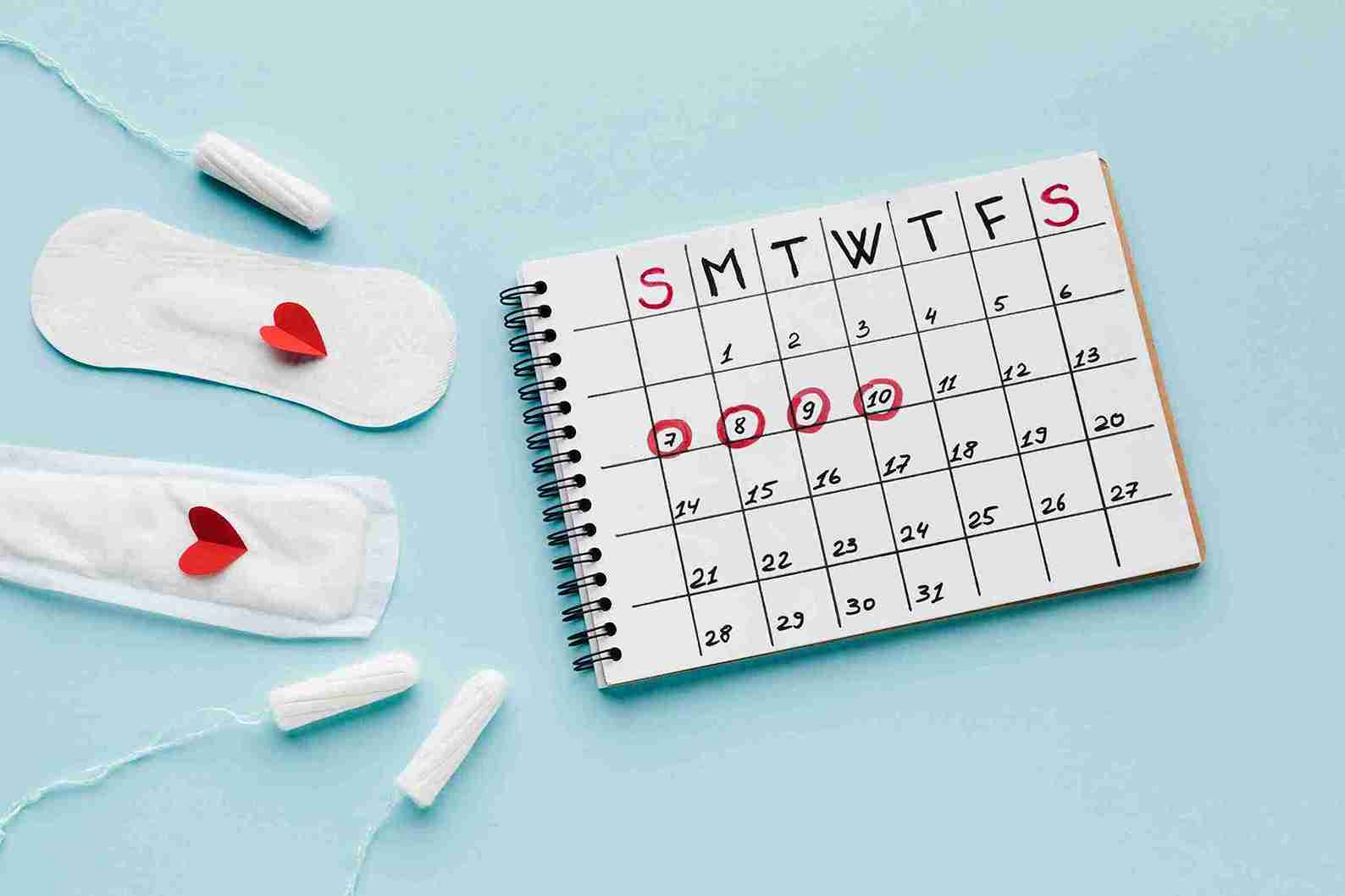
For many women, stimulation injections begin around the second or third day of the menstrual cycle. They are usually continued for about 8 to 14 days, although the duration varies depending on how the ovaries respond. During this time, regular scans and blood tests help the fertility team monitor follicle growth and decide when the trigger injection should be given.
In other words, IVF treatment isn't based on a fixed calendar. It's guided by how your body responds. That's why some cycles move a little faster, while others take slightly longer.
Starting IVF can feel overwhelming, and it's perfectly normal to feel nervous about the injections. But once treatment begins, many people find that the injections become just another part of the daily routine. The medicines themselves play an important role in helping multiple eggs mature and preparing the body for the next steps in the IVF journey. The IVF treatment can be a process with a few injections over several days. Each injection is important for the treatment. They help the ovaries produce eggs and prepare the body for IVF treatment.
Want to consult the best fertility in india? Please find the links below.
IVF injections are hormone medications that stimulate the ovaries to produce multiple eggs during a treatment cycle. Having several eggs available increases the chances of creating healthy embryos for transfer or freezing.
What types of injections are used during IVF treatment?
Most IVF cycles involve stimulation injections, medications that prevent premature ovulation, and a trigger injection that helps the eggs reach final maturity before retrieval.
How do IVF injections help stimulate the ovaries?
The injections provide hormones that encourage several follicles to grow instead of the single follicle that usually develops during a natural cycle. This allows multiple eggs to mature during one IVF cycle.
When should IVF injections be started during the treatment cycle?
In many IVF protocols, injections begin around Day 2 or Day 3 of the menstrual cycle. However, the exact timing varies depending on individual circumstances and the fertility specialist's recommended treatment plan.
Schedule your consultation Today!
Book your consultation with our fertility experts the first step toward your parenthood journey.