


Laser Assisted Hatching at Cloudnine

A precision laser procedure to help your embryo hatch and implant used selectively, where the evidence supports it.

Book A Consultation
1 Lakh+
Happy Clients
100+
Specialists
47+
Centers
16
Cities
What Is Laser Assisted Hatching?

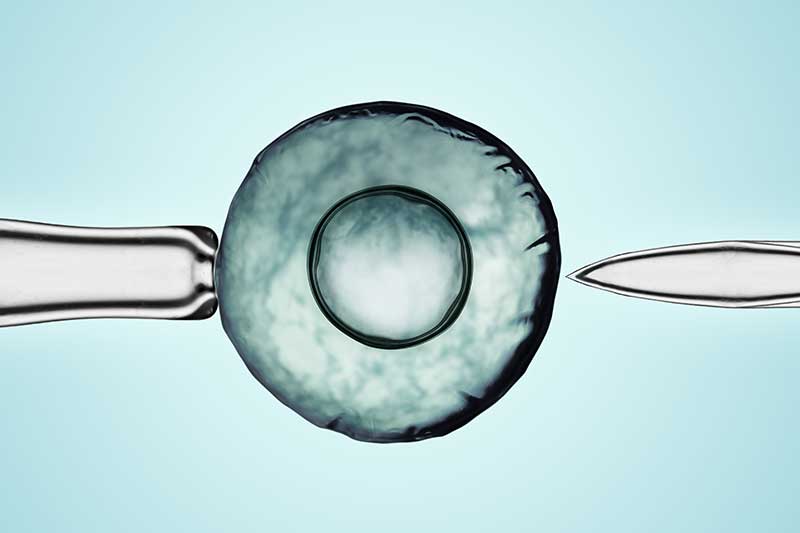
Laser Assisted Hatching (LAH) is a laboratory procedure where a precise infrared laser is used to create a small opening in the zona pellucida  the protective outer shell of an IVF embryo  to help it hatch and implant in the uterus. The zona pellucida is a glycoprotein shell surrounding every embryo, and the embryo must naturally break through it to implant.

In some situations  advanced maternal age, frozen embryos, or thicker shells  this hatching becomes harder, and assisted hatching may help. LAH is not a standalone treatment and is not part of every IVF cycle. It is an adjunct used selectively, in specific situations, where the evidence supports a benefit. See Who Should Consider LAH? and Does It Actually Work? below.

Why Choose Cloudnine for Laser Assisted Hatching

[N] LAH Cycles Performed
[N] LAH Cycles Performed
Cloudnine has performed [N] laser hatching procedures across [N] centres, with continuously tracked outcomes data.
Precision Infrared Laser System
Our laser delivers a precisely controlled, low-energy beam that opens the zona pellucida without contacting the embryo, in line with established safe LAH protocols.
Evidence-Based Recommendation
We don't recommend LAH for every IVF cycle. We use it selectively, where the evidence supports benefit typically advanced age, frozen embryos, or repeated failures.
NABH-Accredited Embryology Labs
Our embryology labs are NABH-accredited, with continuous quality monitoring, ISO-certified processes, and 24/7 environmental control.
[X]+ Years of Embryology Experience
[X]+ Years of Embryology Experience
Our embryologists have an average of [X] years of experience and have performed thousands of laser hatching procedures.
Transparent Pricing
Transparent Pricing
A detailed cost breakdown is shared at consultation including whether LAH adds to your IVF cycle cost. EMI options available.

How Laser Assisted Hatching Works

  • Embryo Selection & Timing: LAH is performed on the embryo on Day 3 (cleavage stage) or Day 5 (blastocyst stage), just before transfer or freezing, depending on the cycle protocol.
  • Lab Preparation: The embryo is moved from its culture environment to a special micromanipulation dish under a high-magnification microscope.
  • Laser Application: A precision infrared laser, focused through the microscope, creates a small opening in the zona pellucida. The laser beam never touches the embryo cells.
  • Return to Culture or Transfer: The embryo is returned to incubation or transferred to the uterus immediately, depending on protocol. The whole LAH procedure takes seconds.
Safety The laser is non-contact and very brief. Modern laser systems have been used in IVF labs for over 20 years, with extensive published safety data.
Timing For a fresh blastocyst transfer, LAH happens on Day 5 just before transfer. For frozen embryos, LAH happens after thawing.
Precision The laser opening is typically 5–10 micrometres a fraction of the zona thickness enough to assist hatching without damaging the embryo.

Who Should Consider Laser Assisted Hatching?

LAH is an adjunct procedure used selectively in specific situations where the embryo's natural hatching may be impaired. The evidence supports LAH most strongly for advanced maternal age, frozen embryos, and repeated IVF failures. It is not recommended for every IVF cycle. Your specialist will recommend it only when the evidence supports a benefit for your specific situation and will be honest with you when it doesn't.
Advanced Maternal Age (37+)
In women over 37, the zona pellucida tends to be thicker and harder, making natural hatching more difficult. LAH evidence is strongest for this group.
Frozen Embryo Transfer (FET)
Vitrification (freezing) can harden the zona pellucida, so LAH after thawing is commonly used to assist hatching.
Repeated IVF Failures (2+ cycles)
When good-quality embryos haven't implanted in previous cycles, LAH may help particularly if implantation failure is the suspected issue.
Diminished Ovarian Reserve (DOR)
Patients with low AMH or poor ovarian response often have eggs with a thicker zona pellucida; LAH is sometimes considered.
Thick Zona Observed During Monitoring
When the embryologist directly observes a thicker-than-typical shell, LAH becomes a clinical decision based on that observation.
Poor Blastocyst Expansion
When blastocysts haven't expanded fully by Day 5–6, LAH may help with hatching.
join us today

Not sure if LAH is right for your cycle?

Book a consultation and our specialists will tell you whether the evidence supports LAH for your situation.
Call Us:
E-mail Us:

Your Step-by-Step Journey With LAH

LAH is an integrated part of your IVF cycle, performed by the embryologist on the day of transfer or just before. Here's how it fits into the broader treatment, with the time markers you need to plan around.
Step 1
Initial Consultation
Meet your fertility specialist to discuss whether LAH is recommended for your situation, based on age, history, and any prior IVF cycles. [Time: 30–45 min]
Step 2
IVF Stimulation & Egg Retrieval
Standard IVF protocol: daily stimulation injections, monitoring, and egg retrieval under sedation. [Time: 8–14 days]
Step 3
Fertilisation & Embryo Culture
Eggs are fertilised in the lab and cultured for three to five days, depending on protocol. [Time: 3–5 days]
Step 4
Laser Assisted Hatching
On the day of transfer (or before freezing), the embryologist uses the laser to create the small opening in the zona pellucida. Takes seconds. [Time: brief lab procedure]
Step 5
Embryo Transfer
The embryo, now with assisted hatching, is transferred to the uterus through a thin catheter under ultrasound guidance. [Time: ~15-minute procedure]
Step 6
Pregnancy Test & Next Steps
A blood pregnancy test is done about 12 days after transfer. We discuss next steps either way. [Time: ~2 weeks post-transfer]

After Your LAH and Embryo Transfer Precautions

Aftercare following an LAH and embryo transfer is the same as a standard IVF embryo transfer cycle LAH itself doesn't change what you do afterwards. Here are the key things to know; fuller guidance is on our IVF and FET pages.

  • Continue Luteal (Hormone) Support - Hormone support continues for about 10–12 days after transfer. Take it on schedule and don't stop without speaking to your specialist.
  • Rest on Transfer Day, Then Resume Normal Activity - Take it easy on transfer day. From the next day, gentle normal activity is fine  strict bed rest is not necessary and isn't supported by evidence.
  • Avoid Strenuous Exercise & Sexual Activity for 24–48 Hours - Light walking is fine. Avoid intense exercise, heavy lifting, and sexual activity for the first day or two.
  • Limit Alcohol, Tobacco and Caffeine - Avoid alcohol and tobacco through the cycle and the two-week wait; limit caffeine to about one cup a day.
  • Manage Stress & Emotional Wellbeing - The two-week wait is emotionally demanding. Counselling support is available.
When to call your doctor

Contact your specialist urgently for: severe abdominal pain · heavy bleeding · fever above 38°C · or any signs of OHSS from the IVF stimulation phase (severe bloating, rapid weight gain, breathlessness).

testimonials

Heartfelt stories of hope and Success

Chaithra S
Electronic City
“It's awesome experience”
It's awesome experience to get a consultation from such a good experienced doctor. Dr Nirmala and Sister Fatima assisted very well
Suraj Kumar
Dwarka
“I had a very good experience”
I had a very good experience with Cloudnine Fertility for my IUI treatment. The doctors and staff were very supportive and professional.
Akhil Dalal
Chandigarh
“Best hospital in Tricity”
Best hospital in tricity Dr Kanchi is best in reproductive treatment. Staff is good hospital meet high standard of treatment and services. We got our result positive in one ho. Thanks alot team cloudnine.
Shariq Iqbal
Varthur Road
“Staff here polite and friendly”
Staff here polite and friendly..Hospital takes care of the hygiene well.
Mannu Arushi
HiTech City
“have a good experience”
Very good staff each and every point, have a good experience
Location

Fertility care across India, closer to you

Select City
Reset
5
Pari Chowk
,
Noida
Noida
This is some text inside of a div block.
4.9
Nagarbhavi
,
Bengaluru
Bengaluru
This is some text inside of a div block.
4.8
Vikaspuri
,
New Delhi
New Delhi
This is some text inside of a div block.
4.9
Baner
,
Pune
Pune
This is some text inside of a div block.
5
Gomti Nagar
,
Lucknow
Lucknow
This is some text inside of a div block.
4.9
Rohini
,
New Delhi
New Delhi
This is some text inside of a div block.
4.9
Kompally
,
Hyderabad
Hyderabad
This is some text inside of a div block.
4.7
Thanisandra
,
Bengaluru
Bengaluru
This is some text inside of a div block.
No results found.
Reset All
Thank you! Your submission has been received!
Oops! Something went wrong while submitting the form.
From the Expert’s Desk

Guidance you can trust at every step

Get clear, expert-backed insights into fertility treatments, timelines and decisions, so you always know what comes next.
latest blogs

Fertility insights to guide your journey

Explore expert-backed articles that answer your questions and help you make informed decisions about fertility care.
View all Blogs

Awards & Recognitions

Cloudnine continues to be recognised for excellence in fertility and maternity care, reflecting our commitment to clinical quality, patient trust and innovation.
FAQs

LAH Questions, Clearly Answered

Clear, expert-reviewed answers to the most common questions about laser assisted hatching what it is, whether it actually works, who it helps, the day-3-versus-day-5 question, safety and cost.
Curious About IVF? Let's Talk.
Call Us:
E-mail Us:

What is laser assisted hatching?

Laser assisted hatching (LAH) is a laboratory procedure in which a precise infrared laser makes a small opening in the zona pellucida  the protective shell around an IVF embryo  to help it hatch and implant. It is an adjunct to IVF, used in specific situations rather than every cycle. At Cloudnine, our embryologists perform it only where the evidence supports a benefit.

What is the zona pellucida?

The zona pellucida is a glycoprotein shell that surrounds every embryo, and the embryo must break out of it to implant in the uterus. With advanced maternal age, frozen embryos, or naturally thicker shells, this can be harder. LAH creates a small opening to assist that natural process.

Does LAH actually improve IVF success?

LAH improves implantation rates modestly typically around 5–10% for specific groups, particularly women over 37, frozen embryo transfers, and patients with repeated IVF failures. For first-cycle patients under 35 with a good prognosis, the evidence shows little to no benefit. At Cloudnine, we recommend LAH only when the evidence supports it for your situation, not as a routine add-on.

Is laser assisted hatching safe for the embryo?

Yes the laser is non-contact and very brief, and modern systems have been used safely in IVF labs for over 20 years. Published damage rates are well under 1%, and children born from LAH cycles show no increased risk of birth defects compared with standard IVF. At Cloudnine, every LAH is performed by an experienced embryologist under strict lab protocols.

Who needs LAH?

LAH is generally considered for advanced maternal age (37+), frozen embryo transfers, repeated IVF failures, diminished ovarian reserve, or when a thicker zona is observed. It isn't needed for every patient. Your specialist will advise whether it's likely to help in your case.

Laser Assisted Hatching (LAH)

Thank you! Your submission has been received!
Oops! Something went wrong while submitting the form.

WHAT IS LASER ASSISTED HATCHING (LAH)?

Often, an in vitro fertilisation (IVF) procedure can produce several embryos during the fertilisation process. Some couples opt to cryopreserve the embryos that are not transferred to the uterus during a given cycle, in the hope that they can use them later. This preservation process entails a sequence of freezing and thawing, the effects of which could adversely affect the natural process of blastocyst hatching. Laser assisted hatching (LAH) is a laboratory procedure that loosens a blastocyst within its outer shell, allowing it to implant successfully once it is deposited onto the uterine lining.

WHY CHOOSE LASER ASSISTED HATCHING?

Laser assisted hatching (LAH) enables a blastocyst to thaw quickly, yet efficiently, without compromising on its integrity.

IMPLANTATION POTENTIAL

LAH can produce better quality blastocysts than traditional thawing methods. On Cloudnine, we strive to optimise your odds of conception in every in vitro fertilisation (IVF) cycle, and we recommend assisted hatching as a tool to stimulate implantation.

REAP BENEFITS OF CRYOPRESERVATION OF EMBRYOS

Cryopreservation is an ultra-modern technique that can preserve your embryos for up to a decade. However, the success of the process hinges on how well the embryos are frozen and thawed. It is possible that the shell housing the embryo may be impaired if it is not handled correctly. Assisted hatching can micro-manipulate an embryo, leaving you to make the most of cryopreservation.

IS LASER ASSISTED HATCHING RIGHT FOR ME?

Laser assisted hatching (LAH) can augment implantation and bring you closer to pregnancy if you have previously had three or more unfavourable in vitro fertilisation (IVF) cycles. Alternatively, if your doctor finds that the outer walls of your embryos seem to be thicker than usual, a LAH routine may be recommended for you.

WHAT ARE THE STEPS OF LASER ASSISTED HATCHING?

Laser assisted hatching (LAH) is a short two-step process, following the retrieval of cryopreserved embryos.

1. LIGHT PULSING

The hatching process is performed for each embryo individually. First, the embryo is framed by a circle of light indicating the circumference around which the laser will beam. Then, the laser starts pulsing a portion of the circumference, attempting to dissolve a part of the embryonic shell. The process is performed delicately, to ensure that the heat from the laser is not transferred to the cells of the embryo.

2. IMPLANTATION

Your embryologist will identify up to two embryos to be placed inside the uterus. The embryo will then implant itself in the uterine lining in the following few days

WHAT ARE THE RISKS OF LASER ASSISTED HATCHING?

There are two main risks associated with laser assisted hatching (LAH).

EMBRYO DAMAGE

If the laser hatching process is performed poorly, an embryo could be blemished or permanently destroyed. The fertility experts on Cloudnine are seasoned specialists, armed with years of experience in LAH. Together, they have established some of the best assisted hatching rates in the country.

INCREASED LIKELIHOOD OF TWINS

There is a school of thought that suggests that assisted hatching can promote monozygotic twinning, although this theory is unattested.

LASER ASISTED HATCHING

The advent of the laser has allowed the development of precision techniques to manipulate embryos for enhanced fertility. Assisted hatching is used to help the embryo hatch from its protective outer shell, the zona pellucida, and promote implantation in the uterine wall after embryo transfer. Laser-assisted hatching (LAH) uses a highly focused infrared laser beam to remove the zona pellucida. Laser-assisted hatching requires less handling of the embryo than other assisted hatching methods. Also, laser-assisted hatching is faster than any other methods and therefore, the embryo spends less time outside the incubator.