

Preimplantation Genetic Testing at Cloudnine

Preimplantation genetic testing examines embryos created through In-vitro Fertilization before transfer. There are three different tests answering three different questions. We will tell you which one applies to you, what your report will actually say, and where the evidence is genuinely unsettled.

Book A Consultation
1 Lakh+
Happy Clients
100+
Specialists
45+
Centers
15+
Locations
What is Preimplantation Genetic Testing?

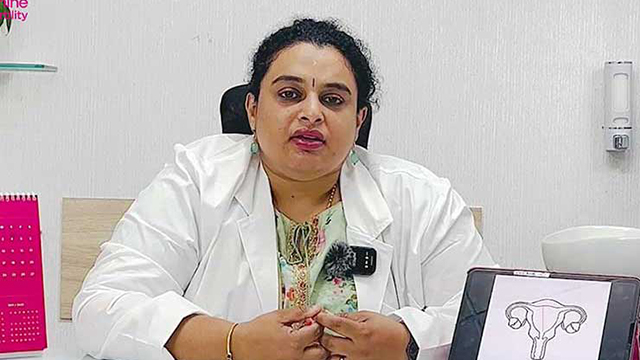
Preimplantation genetic testing is a bipartite process that allows an embryologist to sift through embryos created via IVF, for genetic defects. The system offers two diverse, revolutionary methods for testing. The first, is preimplantation genetic screening (PGS), a technique that evaluates embryos of chromosomally normal genetic parents for structural or numerical chromosomal errors. The second method is preimplantation genetic diagnosis (PGD), a tool that highlights anomalies in embryos whose parents have a known history of genetic abnormalities. PGD can uncover sex-linked disorders, single gene defects and chromosomal disorders.

join us today

Not sure about the right next step?

Our fertility specialists can guide you through the most suitable treatment options for your situation.
Call Us:
E-mail Us:
testimonials

Heartfelt stories of hope and Success

Chaithra S
Electronic City
“It's awesome experience”
It's awesome experience to get a consultation from such a good experienced doctor. Dr Nirmala and Sister Fatima assisted very well
Suraj Kumar
Dwarka
“I had a very good experience”
I had a very good experience with Cloudnine Fertility for my IUI treatment. The doctors and staff were very supportive and professional.
Akhil Dalal
Chandigarh
“Best hospital in Tricity”
Best hospital in tricity Dr Kanchi is best in reproductive treatment. Staff is good hospital meet high standard of treatment and services. We got our result positive in one ho. Thanks alot team cloudnine.
Shariq Iqbal
Varthur Road
“Staff here polite and friendly”
Staff here polite and friendly..Hospital takes care of the hygiene well.
Mannu Arushi
HiTech City
“have a good experience”
Very good staff each and every point, have a good experience
Success Stories

Real journeys. Real hope.

Hear directly from patients who turned uncertainty into joy with the right care and guidance.
Location

Fertility care across India, closer to you

Select City
Reset
4.9
Nagarbhavi
,
Bengaluru
Bengaluru
This is some text inside of a div block.
5
Vikaspuri
,
New Delhi
New Delhi
This is some text inside of a div block.
4.9
Baner
,
Pune
Pune
This is some text inside of a div block.
5
Gomti Nagar
,
Lucknow
Lucknow
This is some text inside of a div block.
4.9
Rohini
,
New Delhi
New Delhi
This is some text inside of a div block.
5
Kompally
,
Hyderabad
Hyderabad
This is some text inside of a div block.
4.7
Thanisandra
,
Bengaluru
Bengaluru
This is some text inside of a div block.
4.8
Varthur Road
,
Bengaluru
Bengaluru
This is some text inside of a div block.
No results found.
Reset All
Thank you! Your submission has been received!
Oops! Something went wrong while submitting the form.
From the Expert’s Desk

Guidance you can trust at every step

Get clear, expert-backed insights into fertility treatments, timelines and decisions, so you always know what comes next.
latest blogs

Fertility insights to guide your journey

Explore expert-backed articles that answer your questions and help you make informed decisions about fertility care.
View all Blogs

Awards & Recognitions

Cloudnine continues to be recognised for excellence in fertility and maternity care, reflecting our commitment to clinical quality, patient trust and innovation.

Preimplantation Genetic Testing (PGT)

Thank you! Your submission has been received!
Oops! Something went wrong while submitting the form.

WHAT IS PREIMPLANTATION GENETIC TESTING?

Preimplantation genetic testing is a bipartite process that allows an embryologist to sift through embryos created via IVF, for genetic defects. The system offers two diverse, revolutionary methods for testing. The first, is preimplantation genetic screening (PGS), a technique that evaluates embryos of chromosomally normal genetic parents for structural or numerical chromosomal errors. The second method is preimplantation genetic diagnosis (PGD), a tool that highlights anomalies in embryos whose parents have a known history of genetic abnormalities. PGD can uncover sex-linked disorders, single gene defects and chromosomal disorders.

WHY CHOOSE PREIMPLANTATION GENETIC TESTING?

Preimplantation genetic testing tools present several advantages for hopeful parents, promoting only healthy embryos that are likely to succeed.

DETECTION OF GENETIC DISORDERS

Genetic testing tools like preimplantation genetic screening (PGS) and preimplantation genetic diagnosis (PGD) can provide a keyhole into genetic diseases that may have been inherited by an embryo. The technology allows embryologists to handpick the embryos with the lowest risk of acquiring a chromosomal abnormality. This twin-procedure can be a welcome proposition for couples who have a history of inherited conditions.

REDUCED RISK OF MULTIPLE BIRTHS

By selecting embryos that are most likely to thrive in a uterine environment, your embryologist can minimise the risk of multiple births. On Cloudnine, our safety norms are tethered to our philosophy of promoting happy, healthy pregnancies. Hence, we limit the number of embryos transferred to two, per in vitro fertilisation (IVF) cycle.

IS PREIMPLANTATION GENETIC TESTING RIGHT FOR ME?

Preimplantation genetic testing is suited for couples where one or both partners are carriers of sex-linked disorders or genetic or chromosomal abnormalities. The procedure is also useful for women who are over 35 years old, or those who have experienced failed fertility treatments or recurrent miscarriages.

WHAT ARE THE STEPS OF PREIMPLANTATION GENETIC TESTING?

Preimplantation genetic diagnosis (PGD) and preimplantation genetic screening (PGS) are parallel procedures that follow similar steps.

1. CELL RETRIEVAL

First, a pair of cells is extracted from each multi-cell embryo.

2. CELL EVALUATION

Once several pairs of cells are gathered, each set is examined to gauge the potential presence of an abnormal gene in the corresponding embryo.

3. EMBRYO TRANSFER

Following the selection of the best embryos from the cell evaluation routine, your embryologist will transfer up to two embryos to your uterus for implantation.

4. CRYOPRESERVATION OF ADDITIONAL EMBRYOS

There are often embryos left over after embryos are transferred to the uterus. On Cloudnine, we offer advanced cryopreservation facilities that allow you to freeze your surplus embryos for use in future in vitro fertilisation (IVF) cycles. Cryopreserved embryos can be used for up to ten years.

WHAT ARE THE RISKS OF PREIMPLANTATION GENETIC TESTING?

Genetic testing can prove to be inaccurate if inadequate attention to detail is given. The specialist team on Cloudnine aims to maximise the success rate of genetic screening and diagnosis by carefully engineering every step of the process.

FALSE NEGATIVES

Several global examples of genetic testing have been spotlighted for having produced imprecise results. Smaller clinics that do not possess the expertise to carry out genetic testing run the risk of transferring abnormal embryos to the uterus, owing to false negative results. The Cloudnine gold-standard strives for continual accuracy, offering you the best outcome, always.

PGS

PGS, or preimplantation genetic screening, is a genetic test performed on embryos produced through IVF. PGS gives information about embryos' genetic health to help your fertility specialist to select the best embryo for transfer and improve your chance of achieving a successful pregnancy. PGS identifies embryos with the correct number of chromosomes, so your care team can select the embryo with the best chance of leading to IVF success. Cloudnine uses the most advanced embryo screening technology available, to provide a complete picture of chromosomal health.

PGD

For people who know they are at increased risk of passing on a specific genetic condition, PGD, or preimplantation genetic diagnosis, can be performed prior to pregnancy to greatly reduce the risk of having an affected child. PGD for single gene disorders involves testing embryos created through in vitro fertilization (IVF) and then transferring unaffected embryos. Each PGD test is unique and DNA samples from both the partners are tested. Then, linkage analysis is used to determine the 'genetic fingerprint' of the mutation and diagnose each tested embryo as affected or unaffected.