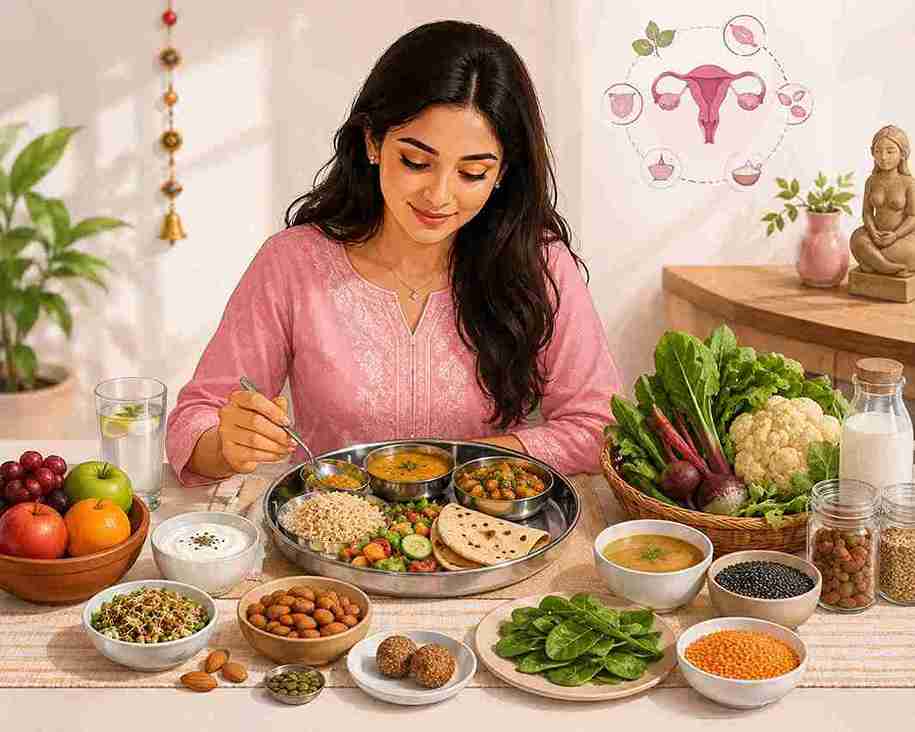
Food is not a fertility treatment. But what you eat, and what you consistently do not eat, shapes the hormonal environment, egg quality, sperm health, and uterine function that conception depends on. For couples trying to get pregnant, diet is one of the most accessible and modifiable factors that is entirely under their control.
A fertility diet for women is not about eating superfoods or following a restrictive plan. It is about being consistent with food, such as consuming whole, nutrient-rich foods that support the biological conditions needed for conception. This applies to both partners; sperm quality responds to diet just as egg quality does.
Why Diet Matters for Fertility
Reproductive function is closely tied to hormone balance, inflammation, oxidative stress, and insulin sensitivity. All four of these are directly influenced by what you eat.
Eggs take roughly 90 days to mature before ovulation. Sperm take approximately 70-90 days to develop. What both partners eat during that window directly shapes the quality of the reproductive cells involved in conception. Poor diet causes oxidative stress and free radical damage that harm egg and sperm DNA. A good diet reduces this damage and supports the hormonal signalling that ovulation and sperm production depend on.
Foods to Improve Fertility Naturally
Whole Grains Over Refined Carbohydrates
White rice, maida-based bread, biscuits, and packaged snacks spike blood sugar and insulin rapidly. Chronically elevated insulin disrupts the hormones that regulate ovulation in women and lowers testosterone in men.
Go for lower-glycaemic whole grains like ragi, jowar, bajra, oats, and whole wheat that can keep blood sugar steady, reduce insulin spikes, and also support hormonal balance.
You do not have to eliminate rice. A smaller portion of rice eaten with dal, sabzi, and curd as part of a balanced meal raises blood sugar far less than the same amount eaten alone.
Protein at Every Meal
Protein is essential for hormone production, egg development, and maintaining stable blood sugar. Including a protein source at every main meal makes a consistent difference.
Good sources for an Indian diet:
Dal, rajma, chana, moong
Eggs
Paneer and curd
Fish like rohu, katla, and sardines
Chicken
Protein from plant sources like dal is beneficial, but combining it with whole grains gives a more complete amino acid profile.
Healthy Fats
The cell membrane of an egg is made largely of fat. The type of fat consumed directly influences egg membrane quality and reduces inflammation in the reproductive system.
Include healthy fat sources daily:
Walnuts
Flaxseeds
A small amount of ghee
Nuts and seeds in general
Avoid trans fats found in packaged biscuits, namkeen, fried fast food, and baked goods. Any amount of trans fats impacts ovulatory infertility and poor sperm quality.
Iron-Rich Foods
Iron deficiency anaemia is very common in Indian women and is associated with poor egg quality and ovulatory problems. Adequate iron supports regular ovulation.
Good dietary iron sources:
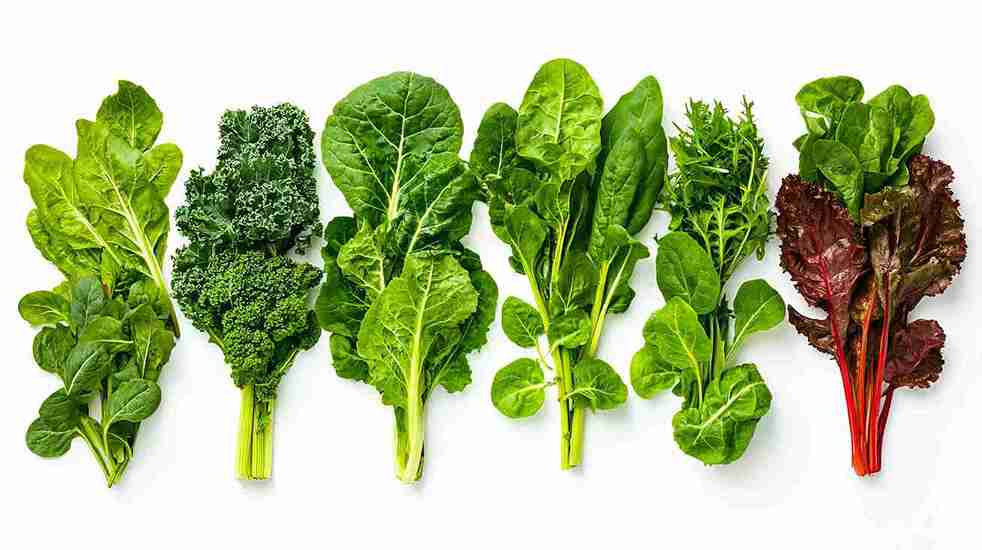
Green leafy vegetables
Rajma, chana, lentils
Jaggery
Eggs and chicken
Dried fruits
Eating a vitamin C-rich food alongside iron sources significantly improves iron absorption from plant sources.
Antioxidant-Rich Fruits and Vegetables
Oxidative stress damages both eggs and sperm. Antioxidants, vitamin C, vitamin E, beta-carotene, selenium, and zinc neutralise free radicals and protect reproductive cells.
Knowing what to reduce in your fertility nutrition plan is as important as knowing what to eat.
Sugary foods and drinks
Cold drinks, packaged juices, sweets, cakes, and biscuits spike insulin and promote inflammation. Limit these initially before cutting them out completely.
Processed and packaged food
We all know that processed food is high in trans fats, excess sodium, preservatives, and refined carbohydrates. This can disrupt insulin and hormonal balance.
Excess caffeine or energy drinks
Keep tea and coffee to one to two cups per day. High caffeine intake has been linked to longer time to conception and a higher risk of miscarriage in women. The same applies to energy drinks.
Yes, and this point is often overlooked. Sperm quality responds significantly to diet. The antioxidants, healthy fats, zinc, selenium, and folate that benefit egg quality are equally important for sperm DNA integrity, motility, and count.
Specific foods particularly relevant for male fertility:
Walnuts
Tomatoes
Pumpkin seeds
Eggs and fatty fish
Amla
Conclusion
Diet alone will not overcome a blocked tube, a varicocele, or a significant hormonal disorder. But a consistent, well-structured fertility diet supports the biological environment that conception requires, and for couples where the problem is subtle or unexplained, it can genuinely move the needle. Three months of sustained dietary change is the minimum window to see the impact on egg and sperm quality. Start today, not after the next festival or holiday.
Want to consult the Best Fertility in india? Please find the links below.
Yes, it has a direct impact. Diet influences hormone balance, insulin sensitivity, oxidative stress, and inflammation. These can affect ovulation, egg quality, and sperm health. A fertility diet for women should focus on whole grains, protein, healthy fats, and antioxidants that support the biological conditions needed for conception. A poor diet that is high in refined carbohydrates, trans fats, and sugar disrupts the hormonal environment and is associated with ovulatory problems and poor sperm quality.
Are supplements necessary for fertility?
Not always, but some are difficult to get from food alone. Folic acid is universally recommended from three months before conception. Vitamin D and iron deficiencies are very common among Indian women and usually require supplementation once confirmed by a blood test. CoQ10 and omega-3 supplements have good evidence for egg and sperm quality. Always check blood levels before supplementing; a fertility nutrition plan built on real food first is more effective than supplements without dietary change.
How long does it take for dietary changes to impact fertility?
Eggs take around 90 days to mature, and sperm take 70-90 days to develop. This means dietary changes made today show up in egg and sperm quality approximately three months later. A sustained three-month period of improved eating is the minimum window to see meaningful benefit. Foods to improve fertility naturally work within this biological timeline; short bursts of healthy eating, followed by a return to old habits, do not produce the same effect.
Which foods improve fertility?
The best foods for reproductive health include whole grains like ragi and oats, protein from dal, eggs, paneer, and fish, healthy fats from walnuts, flaxseeds, and ghee, and antioxidant-rich foods like amla, guava, tomatoes, carrots, and dark leafy vegetables. For men, walnuts, tomatoes, pumpkin seeds, and fatty fish specifically support sperm quality. Consistent daily inclusion of these foods across three months produces the most meaningful improvement in reproductive health for both partners.
Schedule your consultation Today!
Book your consultation with our fertility experts the first step toward your parenthood journey.