Freezing eggs or embryos and using them later to achieve a pregnancy involves a series of steps that happen across weeks, months, or sometimes years. For many women and couples, this process is becoming more familiar whether they are preserving fertility before medical treatment, delaying parenthood, or going through IVF.
What makes it feel complicated is that the steps are not always explained in order, and the language, including terms like stimulation, vitrification, FET, and blastocyst, can be confusing without context. This guide walks through the egg freezing process from start to finish, through to embryo transfer, in clear, sequential order.
Step 1: Initial Assessment
Before any treatment begins, a full fertility assessment is done. This shapes the entire plan.
The woman’s testing process includes the following:
AMH blood test: Measures the ovarian reserve and helps predict the number of eggs to be collected
Day 2 or 3 blood tests: FSH, LH, and oestradiol – helps determine the hormonal baseline
Antral follicle count (AFC): Transvaginal ultrasound to measure the number of resting small follicles in both ovaries
Thyroid function (TSH): A very common disorder in women, which should be treated before initiating the therapy
Uterus evaluation: If the embryo transfer will be performed later, the uterine cavity is examined using hysteroscopy or saline infusion sonography for the presence of polyps, fibroids, or adhesions
The testing will help the specialist select the appropriate stimulation protocol and injection dosage.
Step 2: Ovarian Stimulation
The goal here is to encourage multiple follicles to develop simultaneously, rather than a single follicle in a natural cycle, so that several eggs can be retrieved at once.
The woman self-injects FSH hormone daily into the abdomen for 8 to 14 days. Women with low ovarian reserve need higher doses. Women with PCOS need lower doses to avoid Ovarian Hyperstimulation Syndrome (OHSS).
Monitoring appointments happen every two to three days during stimulation: a quick ultrasound to check follicle size and a blood test to track oestrogen levels. Doses are adjusted along the way.
A second medication, a GnRH antagonist, is added partway through to stop the follicles from releasing early. When the lead follicles reach approximately 18-20 mm, a trigger injection is administered. Egg retrieval is scheduled exactly 34 to 36 hours later.
Step 3: Egg Retrieval
Egg retrieval is a short day procedure done under sedation. A fine needle is passed through the vaginal wall under ultrasound guidance into each follicle, and the fluid is aspirated. The embryology lab immediately identifies the eggs in the collected fluid.
The procedure takes 15 to 30 minutes. Most women feel period-like cramping for a day or two and go home the same day. Mature eggs called MII oocytes are the ones that can be frozen or fertilised.
Step 4: Vitrification (Freezing) of the Eggs
The mature eggs are subjected to vitrification, in which they are frozen to a glassy state within seconds using an ultra-rapid freezing process. This stops ice crystals forming inside the delicate egg cell, which was the main problem with older slow-freezing methods.
Vitrified eggs are stored in liquid nitrogen at minus 196°C, where all biological activity is paused. In India, eggs can be stored for up to 10 years under current law, with extensions possible through proper documentation.
For women who are preserving fertility and are not yet ready to use their eggs, this is where the process pauses. When they are ready, the journey continues.
Step 5: Thawing and Fertilisation
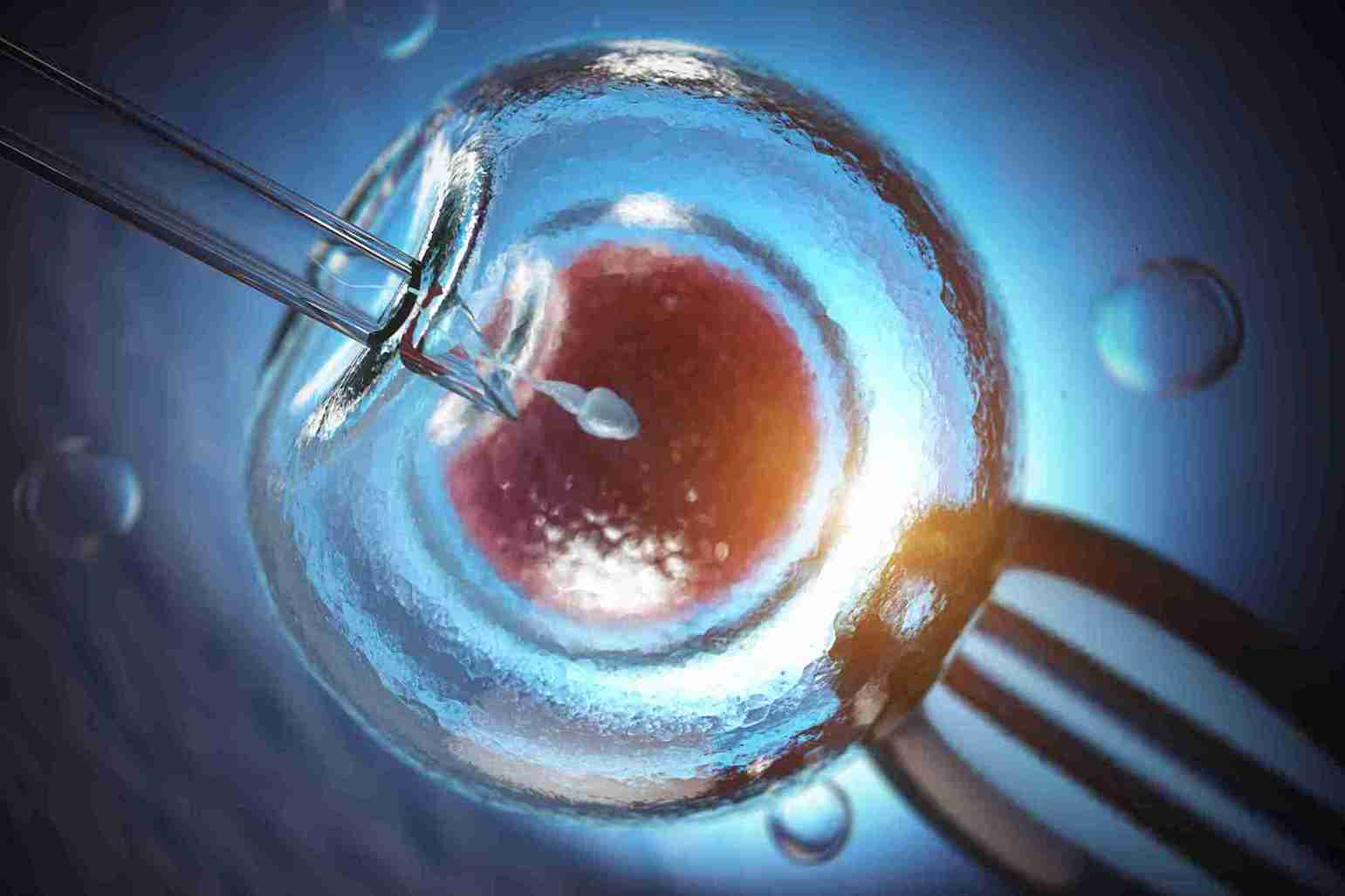
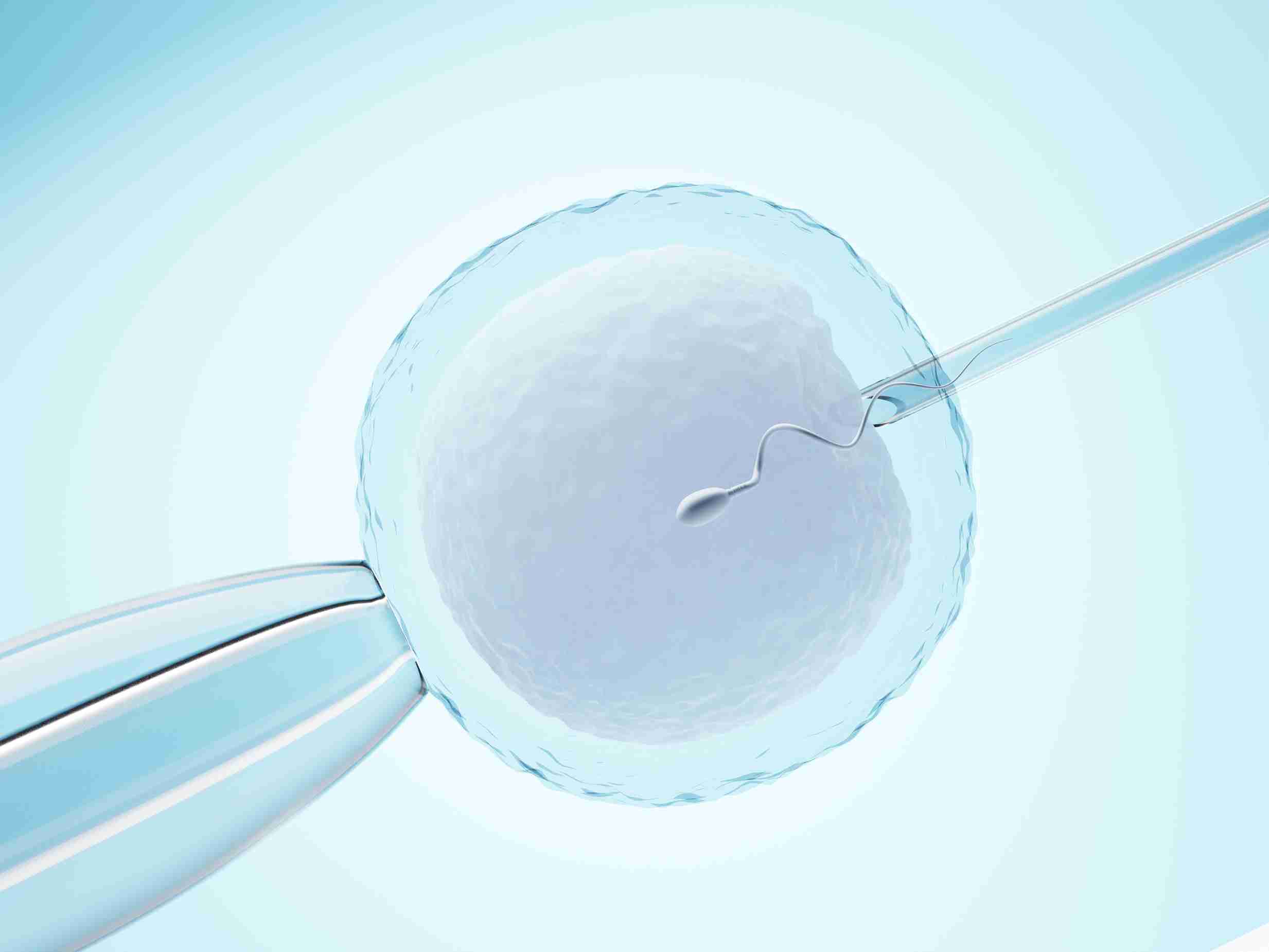
When the woman is ready to attempt pregnancy, the frozen eggs are thawed. Vitrified eggs have a post-thaw survival rate of over 90% in experienced laboratories. Thawed eggs are fertilised using ICSI; a single sperm is injected directly into each mature egg. ICSI is used because the egg's outer shell can harden slightly after freezing, making natural fertilisation less reliable.
Fertilised eggs are incubated, and their development is monitored over the next few days. On day five or six, the well-developed embryos will attain the blastocyst stage, which has two cell types.
Step 6: Embryo Freezing and Storage
Most embryos are not transferred immediately. In most current IVF treatment steps, embryos are frozen at the blastocyst stage and stored for transfer in a later cycle. This is embryo freezing and transfer, and it is standard practice in most fertility clinics today.
Reasons for a freeze-all approach include:
Giving the uterine lining time to recover from stimulation before an embryo is placed
Reducing OHSS risk
Allowing time for preimplantation genetic testing (PGT) if needed
Giving the couple flexibility on timing
Embryos are stored in liquid nitrogen using the same vitrification technique. Survival rates after thawing are high, exceeding 90% for well-developed blastocysts.
Step 7: Conditioning the Uterus for the Transfer Process
Before undertaking frozen embryo transfer (FET), the uterus needs to be conditioned.
Natural cycle FET: If one has a regular menstrual cycle, the transfer is timed to the body's spontaneous LH rise; hence, the lining is produced naturally before the embryo transfer.
Medicated cycle FET: The lining is built using oestradiol tablets/pads, followed by progesterone. The transfer is scheduled based on the days of progesterone given.
The lining is assessed on ultrasound, and it should be at least 7-8 mm thick before the transfer proceeds.
Step 8: The Frozen Embryo Transfer (FET)
The frozen embryo transfer itself takes about 10 to 15 minutes and does not need sedation. The thawed embryo is loaded into a fine catheter and passed through the cervix into the uterine cavity under ultrasound guidance. It feels similar to a cervical smear for most women.
After the transfer procedure, progesterone treatment will be continued for two weeks or even more if a positive pregnancy test is performed to keep the lining alive until the placenta starts doing its job.
A blood beta-hCG test is conducted 10 to 14 days after transfer. If the test shows a positive result, it is confirmed by repeating it in two days to ensure that the hCG level has risen. An early ultrasound is performed at 6-7 weeks to confirm the heartbeat and location of the pregnancy.
If a negative result appears, then the cycle was unsuccessful. The couple discusses the situation with the doctor and makes decisions about either trying again with a different frozen embryo, changing protocol or doing further investigations.
Conclusion
From the moment of egg freezing to embryo transfer, there is a specific sequence of steps. Each step depends on the previous one. Knowing what happens on every step makes it easier to deal with the fear of the unknown and ask relevant questions.
Want to consult the Best Fertility in india? Please find the links below.
Find clear, trusted answers to the most common questions about IVF—designed to guide and support you every step of the way.
Can frozen eggs result in a healthy pregnancy?
Yes. The egg freezing process using vitrification preserves egg quality well. Post-thaw survival rates exceed 90% in good laboratories, and pregnancy rates from frozen eggs are comparable to those from fresh eggs when the woman is under 35. Babies born from frozen eggs show no increased risk of congenital disabilities or developmental problems compared to those from fresh IVF cycles.
How many eggs should be frozen for future pregnancy?
Women under 35 are generally advised to freeze 10 to 15 mature eggs to have a reasonable chance of a live birth. Each egg does not guarantee a baby; some will not survive thawing, some will not fertilise, and not every embryo will implant. More eggs give more chances. A fertility specialist will give a personalised estimate based on AMH and antral follicle count.
How long can frozen eggs and embryos be stored?
Under Indian law, frozen eggs, sperm, and embryos can be stored for up to 10 years, with extensions possible through formal documentation. Biologically, vitrified eggs and embryos do not degrade with storage time; healthy pregnancies have come from embryos stored for over a decade internationally. Storage fees are charged annually by the clinic and should be factored into long-term planning before freezing begins.
What is the success rate of frozen embryo transfer?
Success rates for frozen embryo transfer (FET) depend mainly on the woman's age at the time eggs were frozen, embryo quality, and the uterine environment. For women under 35 who use their own blastocysts, FET success rates per transfer are typically 40-50% at well-established clinics. Rates drop with age. Multiple transfers from a frozen embryo bank improve cumulative success rates significantly over time.