How to Get Periods Safely: Why Your Period Is Late and What Actually Brings It Back
November 24, 2026
Cloudnine
No items found.
How to Get Periods Safely: Why Your Period Is Late and What Actually Brings It Back
November 24, 2026
Cloudnine
No items found.
Home remedies and quick fixes are not a reliable way to bring on a late period, and there is little evidence that any food, drink or pressure point can start one. What helps is finding why your period is late: take a pregnancy test, then see a gynaecologist if the delay continues, because the right treatment depends on the cause.
What does a late period actually mean?
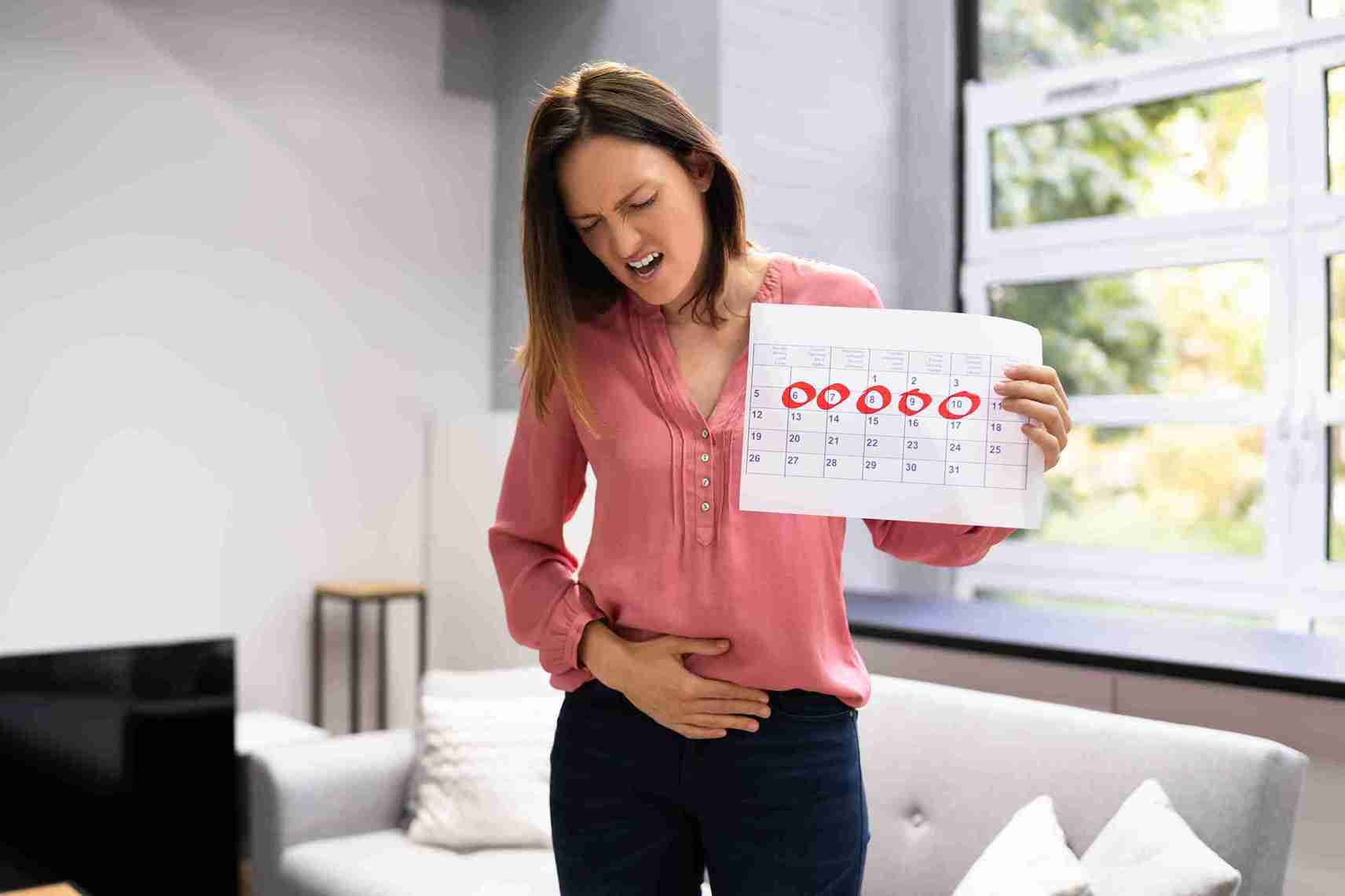
A period is late when it has not started within your usual cycle length plus a few days. A normal cycle runs from 21 to 35 days, counted from the first day of one bleed to the first day of the next, and bleeding usually lasts up to seven days (NHS). If you normally bleed every 28 days, day 33 is late. If your cycles already swing between 26 and 38 days, day 33 means very little.
Cycle reference: what counts as normal, late, and missed
Use your own usual pattern as the baseline, not a textbook 28 days.
Term
What It Means
What to Do
Normal cycle
21 to 35 days between periods, bleeding up to 7 days
Nothing, keep a simple record
Late period
Later than your usual cycle by a few days
Pregnancy test if you have had sex
Irregular cycles
Gaps change a lot month to month, or fall outside 21 to 35 days
A period that is a few days late, once, is common and usually settles without treatment. Ovulation sometimes happens later than usual, after a stressful week, a fever, travel or poor sleep, and the period simply follows it. Because the second half of the cycle stays fairly steady, a late ovulation pushes the whole period back by the same number of days.
What matters more is the pattern. One late cycle in a year is rarely a concern. Periods that keep drifting later, or stop for three months, need a proper look (NHS).
Many women wait months because "periods are irregular in our family". Often there is a treatable reason, such as an underactive thyroid or PCOS, that a simple blood test and scan would find much earlier.
What can help bring a late period back?
Many people search for how to get periods immediately, but there is no proven way to bring on a period within hours. A period starts when progesterone from the ovary falls after ovulation, if no pregnancy has begun, and the lining sheds in response. If you have not ovulated yet this cycle, there may be no lining ready to shed and no hormone drop to trigger it. This is why a typical "how to get periods fast" list rarely helps the people who need it most.
What usually helps a late period return falls into two groups. First, removing the reason it stopped: treating thyroid problems, managing PCOS, restoring a healthy weight, easing extreme training. Second, a short course of hormone tablets prescribed by a doctor, which mimics the natural progesterone drop.
Can tablets bring on a late period?
Prescribed tablets can help, but they do not work straight away. A gynaecologist may prescribe a short course of a progestogen (a man-made form of progesterone), and bleeding usually follows within a few days of stopping it, not while you are taking it (NHS SPS). This is only safe once pregnancy has been ruled out and the doctor knows why your period is late. We explain the options and the risks of self-medication in our guide to tablets to induce periods.
One caution matters more than any other. Bleeding after period tablets does not prove you are not pregnant, and a course of hormones taken in early pregnancy is not something to guess about (NHS). Never take leftover tablets from a friend, a relative, or an old prescription.
Why papaya, ginger and pressure points do not work
Raw papaya, ginger tea, celery juice, jaggery, sesame, turmeric milk and acupressure points appear on almost every remedy list. None has good evidence that it can start a period, and none can create the hormone drop a period depends on. Some of these foods are harmless in normal amounts. The problem is the false hope, and the days lost when the delay has a real cause.
A few remedies carry risk. Large amounts of herbal concentrates, fasting, and intense exercise can further disrupt the cycle. If there is any chance of pregnancy, anything sold as a way to "bring on" bleeding should be avoided until you have tested.
Can you get a period overnight or in one hour?
No proven remedy can bring on a period overnight or within an hour, whatever a video promises. Pills promoted online as bringing a period in hours are often pregnancy termination medicines rather than period tablets. They need a doctor's prescription and supervision, and taking them without a confirmed diagnosis can cause serious bleeding and infection. If you feel desperate for your period to arrive, that worry is itself a good reason to test and speak to a doctor this week.
Why is my period late if I am not pregnant?
A late period without pregnancy usually means ovulation came late or did not happen that cycle. The most common reasons are listed below; more than one can apply at the same time (NHS, womenshealth.gov).
Stress and poor sleep: exams, a new job, a bereavement or night shifts can delay ovulation by days or weeks. Read more on how stress affects fertility.
PCOS: a common cause of irregular and delayed periods, often with acne, extra hair growth or weight gain. Our PCOS and fertility guide explains the tests and treatment.
Thyroid problems: both an underactive and an overactive thyroid can upset the cycle; see thyroid and fertility.
Raised prolactin: this hormone can suppress ovulation and sometimes cause milky nipple discharge.
Sudden weight change or hard training: quick weight loss, crash diets and heavy exercise lower the hormones that drive ovulation.
Contraception and emergency pills: starting, stopping or missing hormonal contraception, or taking an emergency pill, often shifts the next period.
Breastfeeding and the months after birth: periods may stay away while you are feeding.
Perimenopause: in the years before menopause, usually between 45 and 55, cycles become longer and less predictable (NHS).
Start with what you can check at home, then move to tests if the delay continues. This order saves money and avoids unnecessary tests.
When should I take a pregnancy test if my period is late?
Take a home urine pregnancy test from the first day of your missed period. If it is negative and your period still has not come, repeat it after three to four days. If your cycles are irregular and you are not sure when the period was due, test at least 21 days after the last unprotected sex (NHS). Use first-morning urine and read the result at the time printed on the kit.
Habits that help your cycle come back
Note the dates: write down the first day of each period for three months. It turns a vague worry into a pattern a doctor can read in seconds, and a free tracking app or our guide on tracking ovulation naturally helps.
Eat regular meals: skipping meals and crash dieting both delay ovulation. A normal Indian plate of dal, roti or rice, vegetables and curd is enough; no special food will start a period.
Sleep and recover: aim for seven to eight hours, and ease off very hard workouts until your cycle settles.
Avoid self-medication: do not take period tablets, emergency pills or herbal concentrates to force bleeding.
How much do tests for a late period cost in India?
Most women need only a consultation, a pregnancy test and a few blood tests; a scan is added when the history suggests PCOS, a cyst or a thyroid problem. The table lists the tests a doctor may order, including some added only when PCOS is suspected.
Tests for a late period and their indicative cost at Cloudnine Fertility
Ranges are indicative from Cloudnine Fertility's supplied price sheet and vary by city and centre. They are not quotes; your centre confirms the final cost.
Test
What It Checks
Indicative Cost (INR)
Specialist consultation
History, cycle record, examination, test plan
₹800 to ₹1,500
Urine pregnancy test
Pregnancy
₹600 to ₹1,300
Serum beta hCG (blood pregnancy test)
Pregnancy when the urine test is unclear
₹500 to ₹3,000
TSH and prolactin
Thyroid function and prolactin level
₹400 to ₹1,200
Pelvic or transvaginal ultrasound
Ovaries, follicles, lining, cysts
₹1,000 to ₹3,500
Ovarian reserve panel (FSH, LH, estradiol, AFC)
Hormone pattern, early menopause, PCOS
₹5,000 to ₹6,500
Testosterone and androgen profile
PCOS when acne or hair growth is present
₹1,600 to ₹2,800
Fasting insulin, glucose and HbA1c
Insulin resistance linked to PCOS
₹500 to ₹1,500
What changes the cost: most work-ups are outpatient and finish in one or two visits; repeat scans and extra hormone tests add to the total only when the first results point that way.
When should I worry about a late period?
Worry when the delay is long, keeps happening or comes with pain or heavy bleeding. Three months without a period always needs a doctor, even if every pregnancy test is negative (NHS).
How long to wait before acting on a late period
Find the row that matches your situation; anything in the last row is an emergency.
Situation
What It Usually Means
What to Do
1 to 7 days late, cycles usually regular
Late ovulation, often after stress or illness
Pregnancy test, then wait and track
1 to 3 weeks late, test negative
Delayed or skipped ovulation
Repeat the test; book a visit if it keeps happening
Most late periods return on their own within one or two cycles once the trigger passes. If there is an underlying condition, the timeline depends on how it is treated.
What to expect after the cause is found
Timelines are typical ranges; your doctor will give a plan for your situation.
Cause
Usual Approach
When Periods Typically Settle
Stress, illness, travel
Rest, sleep, regular meals
Next one or two cycles
After stopping hormonal contraception
Wait and track
Often within a few months
Thyroid imbalance
Thyroid treatment
Over a few months as levels correct
PCOS
Lifestyle changes, cycle regulation, ovulation support if trying to conceive
Varies; regular review every few months
Prescribed progestogen course
Course, then stop
Bleed usually within about 3 days of stopping (NHS SPS)
FAQs
Your questions, clearly answered
Find clear, trusted answers to the most common questions about IVF—designed to guide and support you every step of the way.
What is the quickest way to get periods?
There is no proven quick way to get periods. If you are not pregnant and your period is very late, a gynaecologist may prescribe a short progestogen course, and bleeding usually follows a few days after the last tablet. Home remedies, drinks and exercises have not been shown to trigger a period within hours or days.
What can I drink to make my period come early?
No drink has been shown to make a period come early. Ginger tea, papaya juice, celery juice and turmeric milk are safe in normal amounts, but they cannot cause the hormone drop that starts bleeding. Staying hydrated and eating regular meals supports a healthy cycle; it does not start one on demand.
Where to press to induce a period?
There is no pressure point that reliably induces a period. Acupressure spots on the ankle or lower abdomen are widely shared online, yet no good studies show that pressing them starts bleeding. Gentle massage may ease cramps once a period begins, but it will not bring a late period on.
Can stress delay your period?
Yes, stress can delay your period by holding back ovulation. Exams, a move, illness, grief, or long night shifts are common triggers. The period usually returns within one or two cycles once things settle. If stress-related delays keep happening, or the gap reaches three months, see a gynaecologist to rule out other causes.
Is it safe to take tablets to get periods without a doctor?
No, it is not safe to take period tablets without a doctor. Pregnancy must be ruled out first, the cause of the delay needs checking, and some women should not take hormones at all, for example after a blood clot. Bleeding after tablets also does not prove you are not pregnant.
Does a negative pregnancy test mean I am not pregnant if my period is late?
Not always, if you tested very early or your cycle is irregular. Repeat the test three to four days later with first-morning urine, or test 21 days after the last unprotected sex. If tests stay negative and your period still has not come, a doctor can order a blood beta hCG test.
Can PCOS stop periods for months?
Yes, PCOS can stop periods for several months because ovulation happens rarely or not at all. The lining can then build up over time, so long gaps should not be left untreated. A gynaecologist can confirm PCOS with blood tests and a scan, and help restore regular periods and ovulation.
Should I see a fertility specialist if my periods are always late?
Yes, if you are trying to conceive and your periods are always late or irregular, see a fertility specialist. Long cycles usually mean ovulation is irregular, which makes timing harder. Simple tests can find the cause, and treatment to support ovulation is usually straightforward once the reason is known.