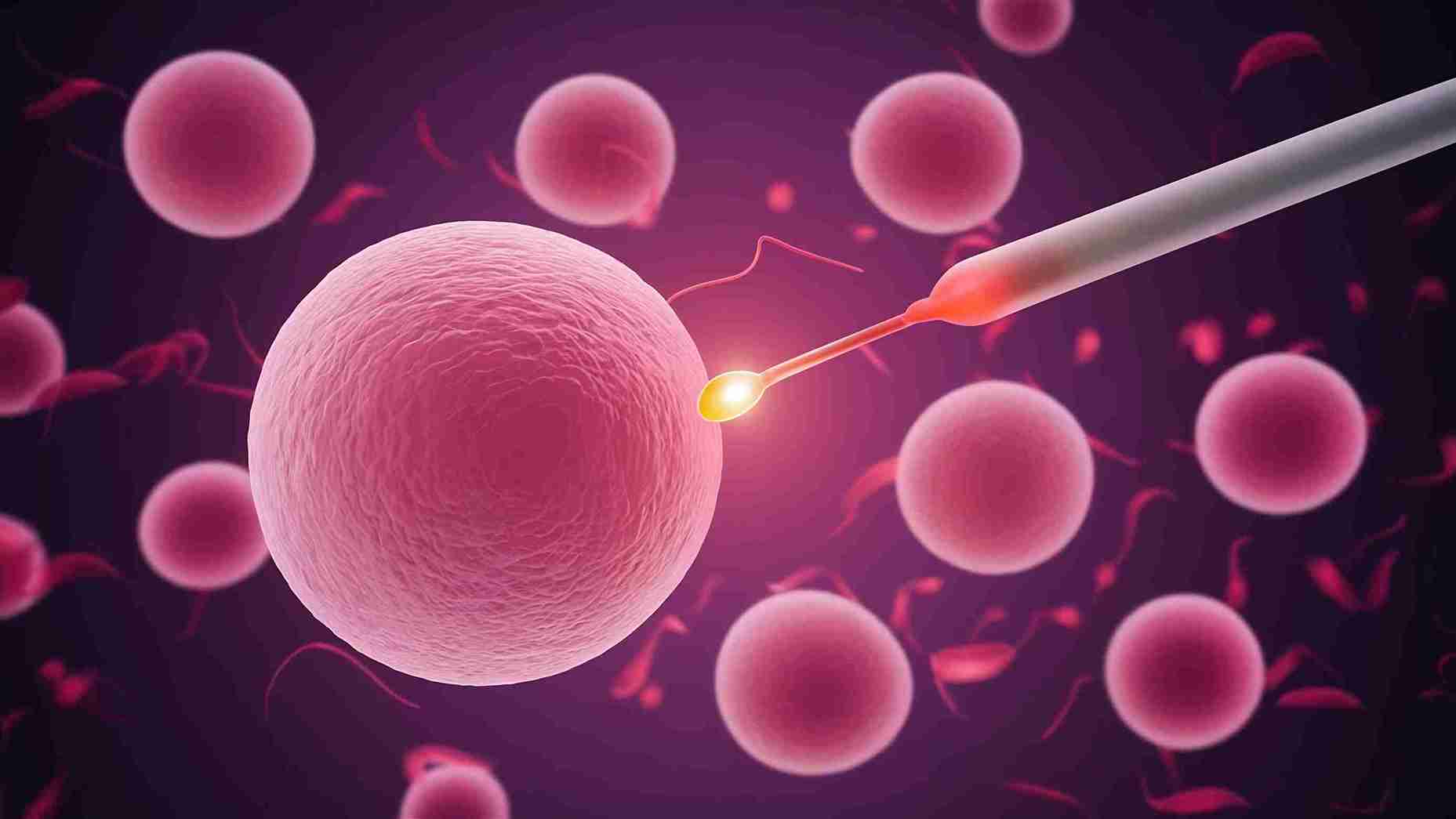
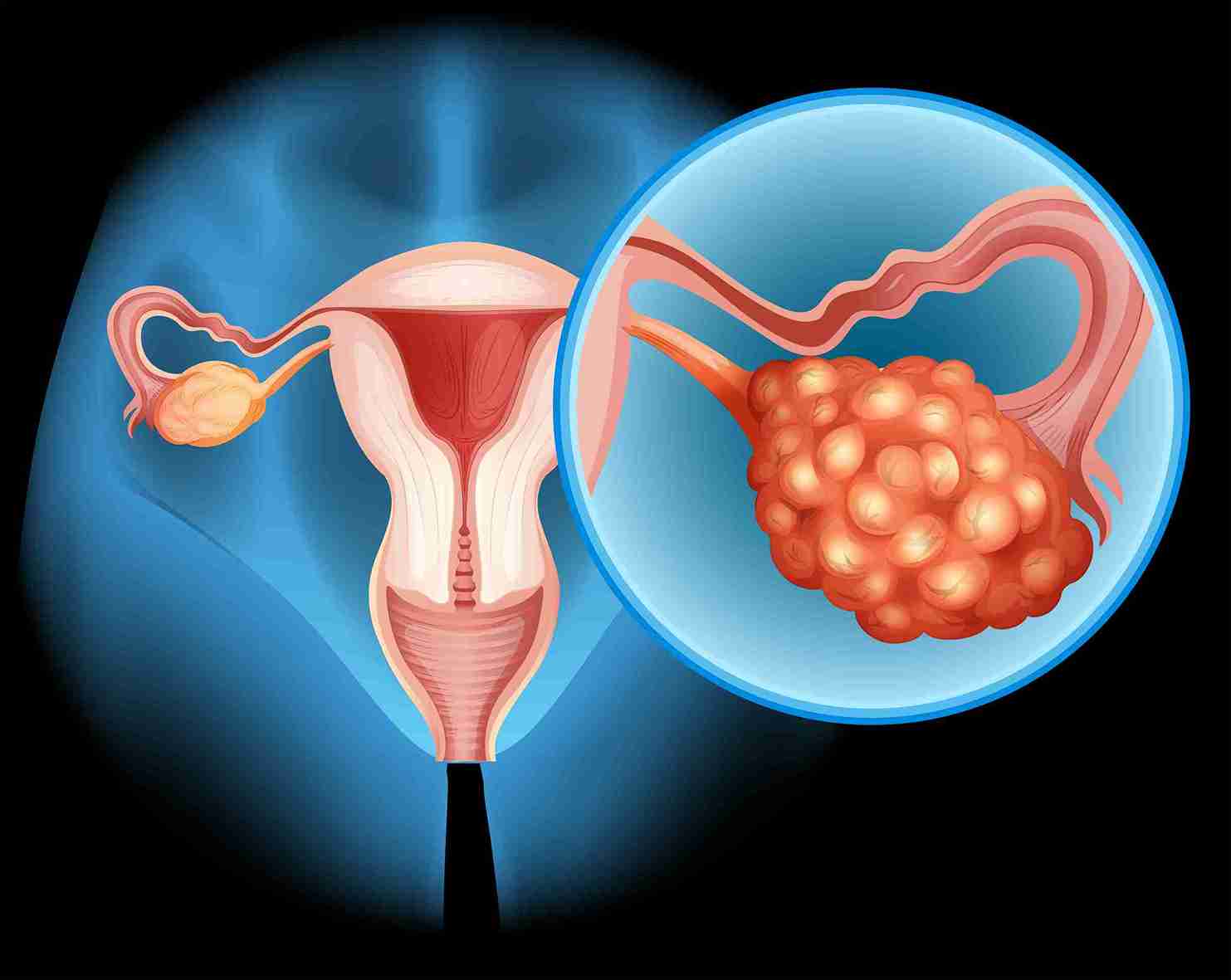
OITI (ovulation induction with timed intercourse) is a fertility treatment in which medication stimulates the ovaries to release an egg, ultrasound scans track follicle growth, and your specialist tells you the exact days to have intercourse. It is usually recommended as the first step when ovulation is irregular or absent, provided at least one fallopian tube is open, and the semen analysis is adequate.
What is OITI treatment?
OITI stands for ovulation induction with timed intercourse. Some clinics write it as OI-TI, some as OI/TI, and some spell it out in full. They all describe the same treatment, so the different abbreviations are not different procedures.
The treatment has two halves that work together. Ovulation induction is the medication half: tablets or injections that prompt the ovaries to grow and release a mature egg. Timed intercourse is the timing half: your specialist uses ultrasound to work out when that egg will be released and tells you which days to try. Neither half works well without the other. Medication that produces an egg is wasted if intercourse is mistimed, and perfect timing achieves nothing in a cycle where no egg is released.
There is no surgery, no anaesthetic, no hospital stay and no laboratory handling of eggs or sperm. Conception, if it happens, happens inside the body in the usual way.
OITI at a glance
Feature
What to Expect
Full Form
Ovulation induction with timed intercourse (also written OI-TI)
Best Suited For
Irregular or absent ovulation, PCOS, and some cases of unexplained infertility
Preconditions
At least one open fallopian tube and an adequate semen analysis
Cycle Length
One menstrual cycle, roughly four weeks, through to the pregnancy test
Medicines
Oral tablets are generally used first-line; injectable hormones may be considered second-line.
Monitoring
Serial ultrasound scans are used to track follicle growth.
Injections
Usually one trigger injection when indicated; it is not required in every cycle.
Invasiveness
Non-surgical; no anaesthesia and no egg or sperm handling are required.
Per-Cycle Success
Modest and highly variable, depending on age, diagnosis, ovulation, sperm parameters, and other factors.
Cycles Attempted
Commonly three to six ovulatory cycles before reassessing the treatment plan.
Next Step if Unsuccessful
IUI or IVF may be considered depending on age, diagnosis, and other fertility factors.
Where OITI sits on the fertility treatment ladder
Fertility care in India is usually offered as a ladder, starting with the least invasive option that could reasonably work and escalating only when it does not. OITI is the first rung. It is the treatment that changes the least about how conception happens: it corrects the ovulation problem, removes the guesswork about timing, and otherwise leaves the body to do what it would ordinarily do. Intrauterine insemination (IUI) is the second rung, where prepared sperm is placed directly into the uterus. In-vitro Fertilization (IVF) is the third, where fertilisation happens in the laboratory.
The ladder is a default, not a rule. It exists because starting at the top would expose many couples to cost, medication and physical demand they never needed. But climbing it too slowly carries its own cost, because the single most powerful variable in fertility treatment is the woman’s age, and every cycle spent on a treatment that was never going to work is a cycle that cannot be recovered. Deciding where to join the ladder, and how long to stay on each rung, is the substance of a good fertility consultation.
What does OITI treatment involve?
An OITI cycle runs across a single menstrual cycle and follows a predictable sequence. Day numbers below are typical rather than fixed, and your specialist will adjust them to your own cycle length and response.
Day 2 to 3: baseline assessment
The cycle starts in the first few days of your period with a baseline ultrasound scan. This confirms that the ovaries are quiet, that no cyst from a previous cycle is still present, and that the uterine lining has shed properly. Before a first OITI cycle, your specialist will also want a hormone profile, a semen analysis for the male partner, and evidence that at least one fallopian tube is open. The 2023 international PCOS guideline explicitly lists semen analysis and tubal patency assessment among the checks to consider before ovulation induction, and pregnancy is excluded before starting. Skipping this work-up is the commonest reason a couple spends months on a treatment that could not have worked. Understanding the role of ovarian follicles in fertility makes the rest of the cycle easier to follow.
Day 3 to 7: ovulation induction medication
A short course of oral medication is started in the early part of the cycle, usually for five days. The tablets work on the hormonal signal from the brain to the ovaries, prompting one follicle, occasionally two, to grow beyond the size it would have reached on its own. If oral tablets have failed to produce a mature follicle in previous cycles, injectable hormones may be used instead. Doses are individual and are set by your specialist, not by a standard protocol.
Day 9 to 16: follicular monitoring
A series of short ultrasound scans tracks how the follicle is growing and how the uterine lining is thickening. These scans are the reason OITI is a treatment rather than a guess: they show in real time whether the medication is working, how many follicles are developing, and when ovulation is likely. If too many follicles develop, the cycle can be cancelled before a multiple pregnancy becomes a risk. If none develop, the dose can be adjusted next cycle instead of another month being lost. Our detailed guide to follicular monitoring explains what the scans measure and how the readings are interpreted.
Trigger injection
When the lead follicle reaches maturity, usually somewhere around 18 to 20 mm, a single injection of human chorionic gonadotropin (hCG, a hormone that mimics the body’s natural ovulation signal) may be given to release the egg at a known time. Ovulation then follows roughly 36 to 40 hours later. Not every cycle needs a trigger. Where a woman ovulates reliably once a follicle has matured, monitoring alone may be enough, and the trigger is used mainly to make the timing precise.
Timed intercourse
This is the step the treatment is named after, and it is simpler than couples expect. Intercourse is advised on the day of the trigger and for the following one to two days, so that sperm are already waiting in the fallopian tube when the egg arrives. This works because sperm survive in the female reproductive tract for several days, while the egg is fertilisable for less than 24 hours after release. Aiming slightly early is therefore better than aiming late. Your specialist will give you specific dates rather than a general instruction to try around mid-cycle.
The two-week wait and pregnancy test
After ovulation, there is nothing further to do but wait. A blood pregnancy test is usually done about two weeks later, around day 28 to 30 of the cycle. Testing earlier is unreliable, and testing earlier after a trigger injection is actively misleading, because the injected hormone is the same one a home pregnancy test detects and can produce a false positive for several days. Some cycles also include a progesterone blood test about a week after ovulation, which confirms that ovulation genuinely occurred even if pregnancy did not follow.
Three groups of medicine are used in ovulation induction, and they are not interchangeable. Which one you are given depends on your diagnosis, how you have responded before, and how closely the cycle can be monitored. No doses are given here, because they are set individually and adjusted between cycles.
Aromatase inhibitors (letrozole)
Letrozole is now the preferred first-line agent for ovulation induction in women with PCOS. The 2023 international evidence-based guideline for the assessment and management of polycystic ovary syndrome, endorsed by ESHRE and ASRM, recommends it ahead of clomiphene. A meta-analysis of 29 randomised trials found higher rates of ovulation, clinical pregnancy and live birth with letrozole than with clomiphene. It also has a short half-life of around 45 hours, which means it clears the body quickly and is less likely to stimulate several follicles at once. The trade-off is that some women experience fatigue or dizziness.
Clomiphene was the standard ovulation induction agent for around 50 years and is still widely used, often in combination with metformin where insulin resistance is part of the picture. Its known limitation is an anti-estrogenic effect on the uterine lining and on cervical mucus, which is why studies consistently find a thinner endometrium with clomiphene than with letrozole. This produces the pattern most worth understanding in this whole treatment: clomiphene makes roughly 80 per cent of women ovulate, but only around 40 per cent conceive. Hot flushes and mood changes are the commonly reported side effects.
Injectable gonadotropins
Gonadotropins are injected hormones that act directly on the ovary rather than through the brain. They are second-line treatment, used when oral tablets have not produced a mature follicle. They are more effective at forcing a response, but they are also more expensive, require closer scan monitoring, and carry a materially higher risk of several follicles developing at once. That is why they are not a shortcut to be requested, and why they should not be used in a cycle that cannot be monitored properly.
The trigger injection (hCG)
This is not an ovulation induction drug in the same sense. It does not grow the follicle; it releases the egg from a follicle that has already matured, so that the timing of ovulation is known rather than estimated. Its only common side effect is mild bloating.
Why ovulation fails: the problems OITI is designed to correct
OITI treats a timing and release problem, not a structural one. Understanding which of the following applies to you also predicts how well the treatment is likely to work.
Polycystic ovary syndrome (PCOS): the commonest cause of anovulatory infertility worldwide. Follicles start to grow but frequently fail to mature and release, so cycles become long, unpredictable or absent. This is the group OITI helps most.
Hypothalamic dysfunction: the signal from the brain to the ovaries is suppressed, often in the context of very low body weight, heavy exercise load or significant stress. Ovulation stops even though the ovaries themselves are healthy.
Thyroid disorders: both an underactive and an overactive thyroid disturb the hormonal cascade that drives ovulation. These are corrected by treating the thyroid, and often do not need ovulation induction at all.
Raised prolactin (hyperprolactinaemia): a hormone that normally rises after childbirth, which suppresses ovulation when elevated at other times. This is usually treated directly and is a recognised reason ovulation induction underperforms if it is missed.
Anovulatory cycles (cycles without egg release): bleeding still occurs on a roughly monthly schedule, so nothing looks wrong, but no egg is released. This is why regular periods are not proof of ovulation and why a scan tells you more than a calendar.
Diminished ovarian reserve: fewer eggs remain available to recruit. Ovulation induction can still work here, but the response is often poor, and this is one situation where spending several cycles on OITI is more likely to cost time than to gain a pregnancy.
When is OITI recommended for couples trying to conceive?
OITI is usually recommended as the first treatment step when the barrier to conception is ovulation itself and nothing structural stands in the way. Two preconditions have to be met before it makes clinical sense: at least one fallopian tube must be open, because fertilisation happens inside the tube, and the semen analysis must be normal or only mildly abnormal, because the sperm still have to travel the whole distance unaided. If either condition fails, the treatment cannot deliver, however well the ovulation half is managed. This is also the point at which unexplained infertility is usually first addressed.
Who OITI is suitable for
Irregular or absent ovulation: the core indication, whatever the underlying cause.
PCOS: the largest single group treated with ovulation induction in India, and the group with the strongest evidence base behind first-line letrozole.
Anovulatory cycles despite regular bleeding: where scans confirm that no egg is being released.
Some unexplained infertility: particularly in younger couples with good ovarian reserve and a short duration of infertility.
Couples who cannot reliably time intercourse: because of shift work, travel, or cycles too irregular for any calendar method to predict.
Mild cervical factor: where letrozole is often preferred, since it does not carry clomiphene’s adverse effect on cervical mucus.
Who OITI is not suitable for
This is the part most clinic pages leave out, and it matters more than any success rate. OITI is the wrong treatment, not merely a weaker one, in the following situations. Where both fallopian tubes are blocked, sperm and egg cannot meet regardless of how well ovulation is induced, and IVF is the appropriate route. Where there is severe male factor infertility, such as very low count or motility, the sperm cannot complete the journey unaided, and ICSI within an IVF cycle is usually needed. Where ovarian reserve is significantly reduced, or the woman is in her late thirties or older, the arithmetic changes: per-cycle odds are lower and the cost of six months spent finding that out is high, so moving earlier to IVF is often the better decision. Severe endometriosis and a significant uterine abnormality also need addressing before ovulation induction is worth attempting. A clinic that offers you OITI without first confirming tubal patency and reviewing a semen analysis is not in a position to know whether any of this applies to you.
How much does OITI treatment cost in India?
OITI is the least expensive treatment on the fertility ladder, because it involves no laboratory work, no egg retrieval and no theatre time. What you pay for is the consultation, a small number of scans, and the medication itself. The table below sets out what a cycle is actually made up of, which is more useful than a single headline figure, because the components vary independently: an oral tablet cycle with three scans and no trigger sits at the bottom of the range, while an injectable cycle with daily monitoring sits well ab
Cost Component
What It Covers
Indicative Cost per Cycle
Specialist Consultation
Initial assessment and cycle planning
₹1,200–₹1,800
Baseline Scan
Day 2–3 pelvic ultrasound
₹1,500–₹4,000
Baseline Hormone Tests
Hormone profile before the first cycle
₹2,000–₹5,000
Semen Analysis
Male partner assessment before starting
₹1,000–₹3,000
Oral Induction Medication
Five-day tablet course
Under ₹1,000
Follicular Monitoring Scans
Typically three to five scans per cycle
₹6,000–₹12,500
Trigger Injection
Single injection when used
₹400–₹1,200
Injectable Gonadotropins
Used in second-line cycles; the largest cost variable
₹30,000–₹80,000
Three things drive the difference between a low and a high quote. Oral tablets cost a fraction of injectable hormones. The number of monitoring scans varies with how predictably you respond. And a cycle that needs a trigger injection costs more than one that does not. Because OITI is attempted over several cycles rather than once, it is worth asking for the cost per cycle and the expected number of cycles together, rather than a single figure. For current centre-level pricing, see the ovulation induction and cycle monitoring page or speak to a Cloudnine Fertility specialist for an itemised quote.
Risks and side effects of OITI treatment
OITI is a low-risk treatment, but it is not a no-risk one, and the risks are almost entirely a function of the medication rather than the timed intercourse.
Multiple pregnancy: the most clinically significant risk. Stimulating the ovaries can mature more than one follicle, and twins carry higher risks in pregnancy for both mother and babies. In the largest randomised comparison in PCOS, twin pregnancy occurred in 3.4 per cent of letrozole cycles and 7.4 per cent of clomiphene cycles, and a separate meta-analysis has found a significantly lower multiple pregnancy risk with letrozole. Gonadotropin cycles carry the highest risk of the three. Monitoring scans exist precisely to catch this, and a cycle showing too many mature follicles should be cancelled rather than triggered.
Ovarian hyperstimulation syndrome (OHSS): an excessive ovarian response causing swollen ovaries, abdominal discomfort and fluid shifts. It is uncommon in oral tablet cycles and mainly a consideration with injectable gonadotropins, but it is the reason unmonitored stimulation is unsafe.
Thin uterine lining and cervical mucus changes: a recognised clomiphene effect and one of the reasons letrozole is now preferred first line. A lining that stays thin despite a mature follicle is a reason to change agent rather than repeat the same cycle.
Hot flushes, bloating and mood changes: common, usually mild, and settle once the medication course ends. Hot flushes are more associated with clomiphene, fatigue and dizziness more with letrozole.
Cycle cancellation: either because no follicle matured or because too many did. This is disappointing rather than dangerous, and it is useful information: it tells your specialist what to change next cycle.
There is no evidence of increased teratogenicity, meaning increased risk of birth defects, with letrozole compared with other ovulation induction agents. The 2023 international guideline states this explicitly, which is worth knowing because the opposite claim still circulates online.
OITI success rates: what to realistically expect
Be cautious with any single percentage you are quoted for OITI, including on this page. Published and advertised figures in India range from around 5 to 10 per cent per cycle at one end to 10 to 20 per cent at the other, and that spread is not a rounding difference. It reflects genuinely different patient populations: a clinic treating young women with PCOS and open tubes will report a much higher figure than one treating an unselected mix. A number quoted without the population it came from tells you very little about your own odds.
What the evidence supports more confidently is the shape of the outcome rather than a point estimate. Success accumulates over the first few cycles and then plateaus, so cumulative chances across three to six cycles are considerably better than any single cycle, while the seventh cycle adds very little to the third. In the largest randomised trial of ovulation induction in PCOS, cumulative live birth across five treatment cycles was 27.5 per cent with letrozole and 19.1 per cent with clomiphene.
Four variables move your own figure more than the choice of clinic does.
Variable
How It Affects the Outcome
Age
One of the strongest predictors of fertility treatment success. Per-cycle chances generally decline with age, particularly from the mid-thirties onward, which can affect the benefit of attempting multiple cycles.
Diagnosis
Anovulatory PCOS with open fallopian tubes may respond well to ovulation treatment. Unexplained infertility may respond less predictably, while severe male-factor infertility may require IUI or ICSI.
Ovarian Reserve
Helps determine how the ovaries may respond to stimulation and how much medication may be needed.
Semen Parameters
Mildly abnormal results may reduce per-cycle chances, while significantly abnormal results may shift treatment toward IUI or ICSI.
Duration of Infertility
As the duration of unsuccessful attempts increases, the likelihood of success from a low-intervention treatment may decrease, making reassessment of the treatment plan important.
One further distinction is worth holding on to, because it is the most common misunderstanding in this treatment. Ovulating and conceiving are not the same outcome. Clomiphene induces ovulation in roughly 80 per cent of women who take it, but only around 40 per cent go on to conceive. A scan confirming that you ovulated is genuine progress and genuine information, but it is not a near-miss on pregnancy, and a clinic that reports its ovulation rate when you asked for its pregnancy rate has answered a different question.
OITI vs IUI vs IVF: how they compare
These three treatments are often presented as a ranking of effectiveness. They are better understood as answers to different problems. Each one takes over a different part of the journey from egg to embryo, and the right choice is the one that takes over the part that is actually failing.
Feature
OITI
IUI
IVF
Invasiveness
Lowest: tablets, monitoring scans, and timed intercourse
Low: adds a brief clinic-based procedure
Highest: egg retrieval is performed under sedation
Typical Candidate
Irregular ovulation or PCOS, open tubes, and adequate semen parameters
Mild male-factor infertility, cervical-factor infertility, or unexplained infertility
Blocked tubes, severe male-factor infertility, low ovarian reserve, or unsuccessful earlier treatments
Where Fertilisation Happens
In the fallopian tube, naturally
In the fallopian tube after prepared sperm is placed in the uterus
In the laboratory
What It Corrects
Ovulation and timing
Sperm delivery and timing
Fertilisation and embryo selection
Monitoring Needed
Serial ultrasound scans
Serial scans plus sperm preparation
Intensive ultrasound scans and blood tests
Relative Cost
Lowest per cycle
Moderate per cycle
Highest per cycle
Per-Cycle Success
Modest; depends on the population and underlying cause
Modest; may be higher than OITI in selected couples
Generally highest per cycle
Cycles Before Review
Usually three to six ovulatory cycles
Usually three to four cycles
Reviewed after each cycle based on individual circumstances
The cheapest treatment per cycle is not always the cheapest route to a pregnancy. Because OITI has a lower per-cycle success rate, the cost per pregnancy rises with every additional attempt, and there is a point at which a more expensive treatment becomes the more economical one. The same logic applies further up the ladder, which we cover in our guide to how many IUI cycles are worth attempting. The decision that matters is not which treatment is best in general, but how long to stay on each rung.
When to move on from OITI
Most couples are advised to attempt three to six ovulatory cycles. The important word is ovulatory: a cycle in which no egg was released has not tested the treatment and should not be counted towards the total. These are the triggers for a review rather than another repeat.
Situation
What It Usually Means
No ovulation after two cycles at an increased dose
The oral medicine may not be working well for you; your doctor may discuss changing medication or moving to injectable medicines.
Three to six ovulatory cycles without conception
Ovulation may not be the limiting factor; continuing the same treatment may offer little additional benefit and the overall fertility plan may need review.
A new or worsening semen analysis finding
Sperm-related factors may now be contributing; IUI or ICSI may be considered depending on the findings.
Tubal blockage identified or suspected
Ovulation-induction treatment alone cannot overcome blocked tubes; IVF may be an appropriate treatment option.
Persistently thin uterine lining
Your doctor may consider changing the medication or protocol rather than repeatedly using the same cycle approach.
Age in the late thirties or declining ovarian reserve
The potential cost of continuing lower-yield cycles includes time as well as money, so earlier review of treatment options may be appropriate.
Repeated cycle cancellation because of excessive ovarian response
The treatment protocol may need to be revised before another attempt to reduce the risk of complications.
If you have completed several cycles without a clear plan for what happens next, that in itself is a reason to seek a review. Book an ovulation induction and cycle monitoring consultation with a Cloudnine Fertility specialist to have your cycles reassessed, and an escalation timeline agreed.
Want to consult the Best Fertility in india? Please find the links below.
Find clear, trusted answers to the most common questions about IVF—designed to guide and support you every step of the way.
What does OITI treatment involve?
OITI (ovulation induction with timed intercourse) involves taking medication to stimulate ovulation, tracking follicle growth with ultrasound scans, and having intercourse on the specific days your specialist advises. Some cycles add a trigger injection to release the egg at a known time. There is no surgery and no laboratory procedure.
When is OITI recommended for couples trying to conceive?
OITI is usually recommended as a first step when a woman has irregular or absent ovulation, PCOS, or unexplained infertility, provided at least one fallopian tube is open, and the semen analysis is adequate. It is less suitable where both tubes are blocked or where there is severe male factor infertility.
Is OITI the same as OI-TI or ovulation induction?
OITI and OI-TI are the same treatment written two ways. Ovulation induction is the medication half on its own; OITI is ovulation induction combined with timed intercourse. Clinics abbreviate it differently, but the treatment does not change.
How many cycles of OITI before IUI or IVF?
Most protocols attempt three to six ovulatory cycles. If you are not ovulating despite an increased dose, or you have ovulated across several cycles without conceiving, your specialist will normally discuss moving to IUI or IVF rather than repeating.
Which medicines are used in OITI?
Oral agents such as letrozole and clomiphene citrate are typically first line, with letrozole now preferred in PCOS under the 2023 international guideline. If oral tablets do not produce a mature follicle, injectable gonadotropins may be used, sometimes with an hCG trigger injection.
Is OITI painful or does it need surgery?
No. OITI uses oral tablets or small injections, ultrasound scans, and natural intercourse. There is no surgery, no anaesthesia and no hospital stay. The scans are the same transvaginal ultrasounds used in routine gynaecological care.
Can OITI help me conceive with PCOS?
Yes. PCOS is one of the commonest reasons OITI is prescribed, because the underlying problem is irregular or absent ovulation rather than a structural barrier. Letrozole is recommended first line in PCOS, and your response is tracked by scan each cycle.
Does OITI increase the chance of twins?
It raises it modestly, because stimulation can mature more than one follicle. In a randomised comparison, twin pregnancy occurred in 3.4 per cent of letrozole cycles and 7.4 per cent of clomiphene cycles. Injectable cycles carry a higher risk, which is why monitoring scans are essential.