World IVF Day is observed every year on 25 July. It marks the birth of Louise Brown, the world’s first IVF baby, in 1978. What far fewer people know is that India made history just weeks later, when baby Durga became the world’s second IVF baby. This is the story of where IVF in India stands today.
What is World IVF Day?
World IVF Day is a global awareness day that celebrates in vitro fertilisation (IVF, the fertilisation of an egg and sperm outside the body in a laboratory) and the science of assisted reproduction. It is also known as World Embryologist Day, honouring the embryologists whose lab work makes IVF possible. The day raises awareness of infertility, challenges the stigma around it, and recognises the doctors, scientists and nurses behind every IVF birth.
Quick Facts
Detail
Date
25 July, every year
Commemorates
The birth of Louise Brown, the world's first baby born through IVF, on 25 July 1978.
Also known as
World Embryologist Day
India's first IVF baby
Durga (Kanupriya Agarwal), born in Kolkata on 3 October 1978.
The birth that started it all: Louise Brown, 1978
On 25 July 1978, in Oldham, England, Louise Joy Brown became the first baby ever born through IVF. Her mother had lived with infertility for years before doctors Patrick Steptoe and Robert Edwards, working with the nurse and embryologist Jean Purdy, fertilised an egg outside the body and transferred the resulting embryo to her womb. The birth was a global sensation and opened a new era in medicine. Robert Edwards was awarded the Nobel Prize in 2010, though Jean Purdy’s central role went under recognised for decades, a pattern that would echo elsewhere.
India’s untold IVF story: Dr Subhash Mukhopadhyay and baby Durga
The world’s second IVF baby
Just 67 days after Louise Brown, on 3 October 1978, a baby girl was born in Kolkata, the world’s second and India’s first IVF baby. Her name was Kanupriya Agarwal, but she is remembered as Durga, nicknamed after the goddess because she arrived on the first day of Durga Puja. She was created by the physician Dr Subhash Mukhopadhyay, working with the cryobiologist Sunit Mukherji and the gynaecologist Saroj Kanti Bhattacharya, using techniques for ovarian stimulation and embryo freezing that were remarkably ahead of their time.
A pioneer denied recognition
Instead of celebration, Dr Mukhopadhyay met with suspicion. The state authorities questioned his claims, and he was refused permission to present his work to the international scientific community. Isolated and denied the recognition he had earned, he died by suicide in 1981, a loss the fertility community still mourns. His story later inspired the film Ek Doctor Ki Maut. Years afterward, the reproductive scientist T.C. Anand Kumar reviewed Dr Mukhopadhyay’s handwritten records and confirmed that Durga was indeed India’s first IVF baby, publishing his findings in 1997. In 2002, the Indian Council of Medical Research (ICMR) formally recognised Dr Mukhopadhyay as the architect of India’s first test tube baby.
India’s first documented IVF baby
Because Dr Mukhopadhyay’s work was dismissed at the time, India’s first scientifically documented IVF baby is usually cited as Harsha, born in Mumbai in August 1986, through the work of Dr Indira Hinduja and Dr T.C. Anand Kumar. Sources differ on small details, such as the exact birth date and surname, so these are best treated as close approximations. The fuller truth is that India’s IVF story began in 1978 and was simply recognised late.
A quick timeline:
Year
Milestone
Why It Matters
1978
Louise Brown was born in the UK on 25 July.
She became the world's first baby born through IVF. Her birth is commemorated each year on World IVF Day.
1978
Durga was born in Kolkata on 3 October.
Recognised as the world's second IVF baby and India's first IVF baby.
1981
Dr Subhas Mukhopadhyay passed away.
The pioneering scientist died before his contribution to IVF was widely recognised.
1986
India's first officially documented IVF baby was born.
This marked the formal establishment of IVF in Indian clinical practice.
2002
ICMR formally recognised Dr Subhas Mukhopadhyay's contribution.
The historical record was corrected, acknowledging his pioneering work in IVF.
Today
IVF is a widely available fertility treatment in India.
IVF is regulated under the ART (Regulation) Act and forms an important part of modern fertility care.
From that difficult beginning, IVF has become a routine and trusted part of fertility care in India. Worldwide, more than 13 million babies have been born through IVF and related assisted reproductive technologies since 1978, with over half a million more arriving every year. The need is real and widely shared: the World Health Organization estimated in 2023 that around 17.5% of adults, roughly 1 in 6 people worldwide, experience infertility in their lifetime. In India, IVF and other treatments are now regulated under the Assisted Reproductive Technology (Regulation) Act, 2021, which sets standards for clinics and protects patients.
IVF can help in many situations, including:
Blocked or damaged fallopian tubes. The reason IVF was first developed was to bypass the tubes entirely.
Male factor infertility.Low sperm count or motility, often treated with ICSI (intracytoplasmic sperm injection, where a single sperm is injected into an egg).
Ovulation disorders such as PCOS. Where eggs are not released regularly.
Endometriosis. This can affect the pelvic organs and egg quality.
Unexplained infertility. Where no single cause is found after testing.
Fertility preservation.Freezing eggs, sperm or embryos, for example, before cancer treatment.
How much does IVF cost in India?
Cost is one of the most common questions on World IVF Day, and it varies with the city and centre, the number of cycles needed, medication, and whether add-ons such as ICSI or genetic testing are used. The indicative components below are placeholders pending confirmation against the current audited pricing sheet; speak to a specialist for a figure tailored to you.
Cost Component
Indicative Range
Base IVF cycle
Approximately ₹1.2 lakh to ₹1.3 lakh, plus consumables; all-inclusive packages typically range from ₹1.15 lakh to ₹2.5 lakh.
Fertility medication and ovarian stimulation
Stimulation injections usually cost an additional ₹70,000 to ₹95,000.
ICSI (if needed)
Often included within the IVF/ICSI base package, depending on the clinic.
There is no single success rate for IVF, and any clinic quoting one very high number should be treated with caution. Success depends primarily on the age of the eggs used, embryo quality, the cause of infertility, and the health of the uterus. As a general guide, drawing on data from bodies such as the American Society for Reproductive Medicine and the Human Fertilisation and Embryology Authority, live birth rates per embryo transfer decline with the age of the egg source.
Factor
Effect on Success
Age of the egg source
The most important factor influencing IVF success. Younger eggs generally have a higher chance of resulting in pregnancy and live birth per embryo transfer.
Embryo quality
High-quality embryos, including genetically tested embryos when appropriate, are more likely to implant successfully.
Cause of infertility
IVF success varies depending on the underlying cause of infertility, with some conditions responding better to treatment than others.
Number of treatment cycles
The cumulative chance of pregnancy increases with multiple IVF cycles if needed.
How to mark World IVF Day
You do not need to be a patient to observe World IVF Day. You can learn how IVF actually works and separate fact from myth, share a supportive word with someone on a fertility journey, or simply help break the silence around infertility. And if you or someone you love has been trying to conceive without success, the day is a gentle reminder that infertility is a common, treatable medical condition, and that an early conversation with a specialist is worth having.
Find clear, trusted answers to the most common questions about IVF—designed to guide and support you every step of the way.
What is IVF?
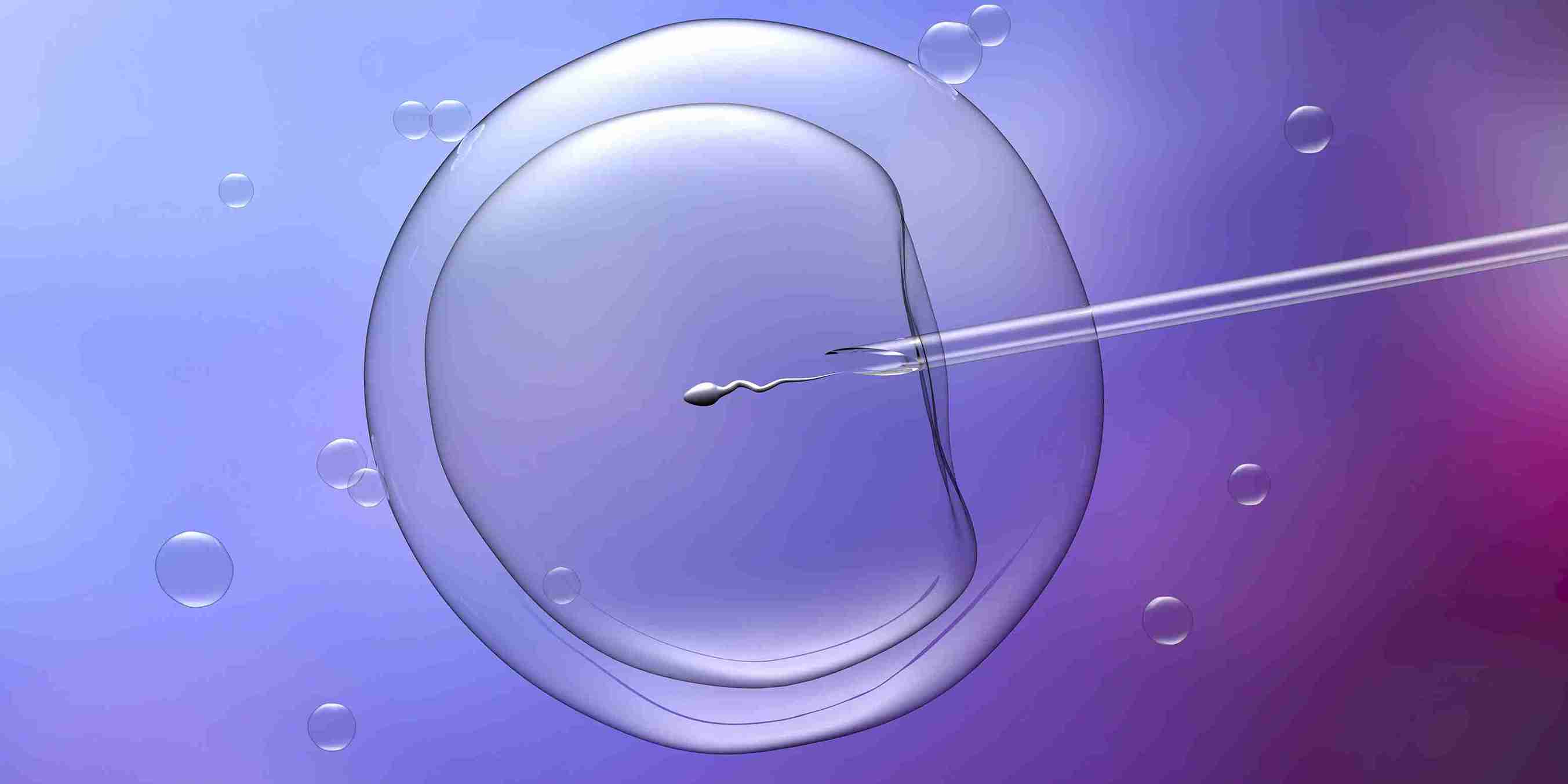
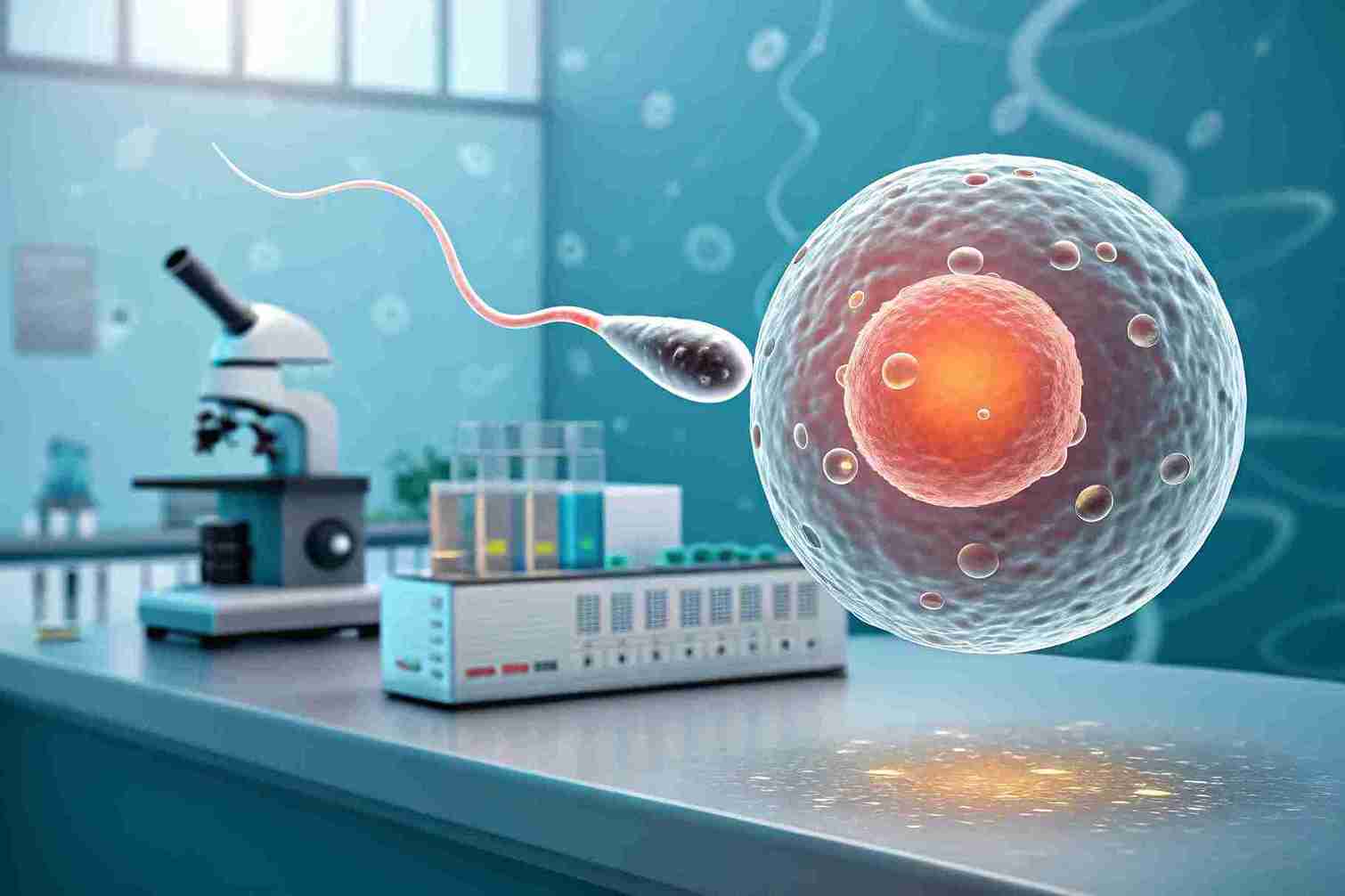
IVF, or in vitro fertilisation, is an assisted reproductive technology in which eggs are collected from the ovaries and fertilised with sperm in a laboratory. One or more resulting embryos are then transferred to the uterus in the hope of achieving a pregnancy.
Who was the first IVF baby in the world?
Louise Joy Brown, born on 25 July 1978 in Oldham, England, was the world’s first baby conceived through IVF, thanks to the work of Patrick Steptoe, Robert Edwards and Jean Purdy.
Is World IVF Day the same as World Embryologist Day?
Yes. Both fall on 25 July and commemorate the same milestone, the birth of the first IVF baby in 1978. World Embryologist Day highlights the specific, often behind-the-scenes role of embryologists in the IVF laboratory.
What day is World IVF Day?
World IVF Day is observed every year on 25 July. It marks the birth of Louise Brown, the world’s first IVF baby, on 25 July 1978. The same date is also known as World Embryologist Day.