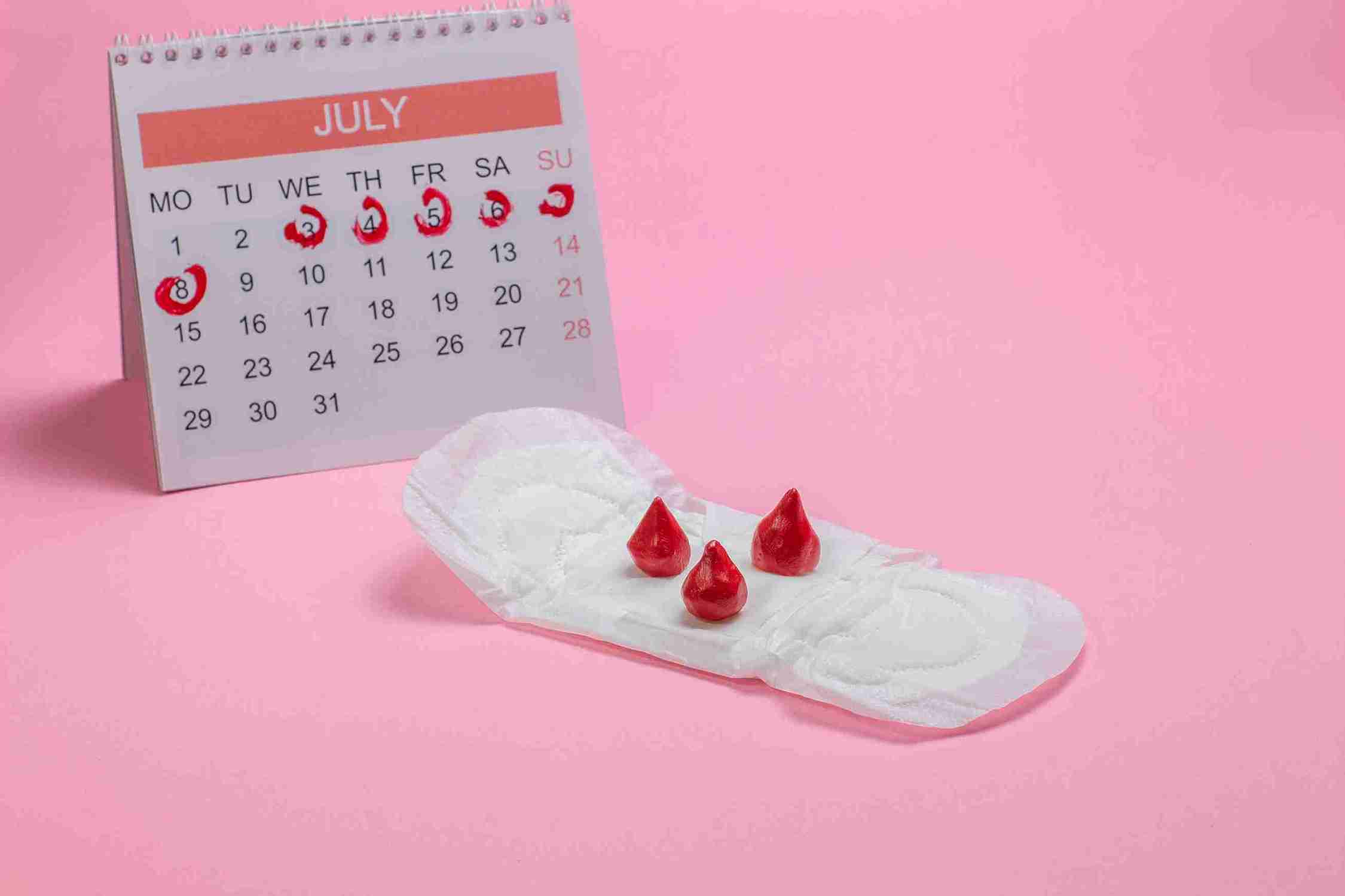
Ovulation Bleeding and Mid-Cycle Spotting: What Is Normal and What Is Not
November 2, 2026
Cloudnine
No items found.
Ovulation Bleeding and Mid-Cycle Spotting: What Is Normal and What Is Not
November 2, 2026
Cloudnine
No items found.
Ovulation bleeding is light spotting, usually pink or brown, that appears when an ovary releases an egg, roughly two weeks before your next period. It lasts a few hours to two days and needs no treatment. It is also less common than most websites suggest, so new or recurring spotting is worth checking.
What is ovulation bleeding?
Ovulation bleeding, also called ovulation spotting or mid-cycle bleeding, is a small amount of blood from the uterine lining around the day you ovulate. You might see it only when you wipe, or as a few spots on a panty liner. Light bleeding during ovulation never needs a pad or tampon, and it settles on its own. Medically, it is a type of intermenstrual bleeding, meaning any bleeding between periods. That broader label matters because the same spot of blood can come from several other places, as you'll read further.
Ovulation bleeding at a glance
Use this table to compare your symptoms with the usual pattern. If your spotting matches the signs in the right-hand column, you should see a doctor instead of assuming it is ovulation bleeding.
Timing
Around the middle of the cycle, about two weeks before the next period
Random days, after sex, or after menopause
Colour
Light pink, light red, or brown, often mixed with clear, stretchy mucus
Bright red and flowing
Amount
Spots on underwear or tissue
Enough to soak a pad or pass clots
Duration
A few hours to two days
Three days or longer
Pain
None, or a mild ache on one side
Severe pain, fever, dizziness
Pattern
Some cycles, not every cycle
Every cycle for months, getting heavier
How common is spotting during ovulation?
Fewer women have it than the internet implies. In the BioCycle Study, 250 healthy women with regular cycles kept a daily bleeding diary for two cycles, and only 12 (4.8%) recorded any mid-cycle bleeding. By cycle, it appeared in 2.8% of 470 cycles . Many clinic pages cite figures of 10 to 30%, but we could not trace them to a primary study. Cleveland Clinic puts it at about 8% of women but cites no study.
Timing is the other common confusion. A 2019 analysis of more than 600,000 cycles found that only 13% were exactly 28 days long. So "day 14" is a poor guide. Ovulation, and any spotting that comes with it, shifts with your cycle length.
Why does ovulation bleeding happen, and how do you recognise it?
Three things identify ovulation bleeding: when it comes, what it looks like, and how quickly it stops. Timing also separates it from implantation bleeding, the spotting it is most often mistaken for.
Why mid-cycle bleeding happens at ovulation
In the days before ovulation, the growing follicle in your ovary releases rising amounts of estrogen, which thickens the uterine lining. Just as the egg is released, estrogen dips briefly before progesterone takes over. In some women, that short dip is enough for a tiny area of the lining to shed, and this is the leading explanation. Some doctors also suggest the follicle itself may bleed slightly as it opens, though this is harder to prove. Either way, nothing is damaged, and the lining stays ready for a possible pregnancy.
Ovulation bleeding colour and how much is normal
Fresh blood looks pink or light red, especially when it mixes with the clear, egg-white mucus your cervix makes around ovulation. Blood that takes longer to leave the body turns brown. Both are normal, and volume matters more than colour. If you are reaching for a pad, it is not ovulation spotting. Read more about mucus changes in our guide to fertile cervical mucus.
How long does ovulation bleeding last?
Usually a few hours, sometimes a day, rarely two. Some women notice it in one cycle and not the next. Doctors at Cleveland Clinic point out that it can seem to alternate, which may reflect which ovary released the egg that month [6]. Spotting that runs into a third day, or keeps coming back in the same cycle, probably has another cause.
Ovulation bleeding vs implantation bleeding
People often mix the two up, but they happen at different points in the cycle. In a study that tracked hormones daily, implantation occurred 6 to 12 days after ovulation, and in 84% of pregnancies, it was on day 8, 9, or 10 [3]. So implantation spotting, when it happens at all, tends to show up a few days before your period is due.
Ovulation bleeding vs implantation bleeding
This comparison uses timing as the main clue because colour and amount overlap.
When
Mid-cycle, around ovulation
6 to 12 days after ovulation, near the expected period
What it means
The egg has been, or is about to be, released
A fertilised egg may be attaching to the uterus
Pregnancy test
Too early to show anything
Still often too early; test once the period is late
Does ovulation bleeding mean you are more fertile?
No. Some pages describe spotting as a sign of high fertility, but there is no good evidence for that. Whether you have it or not does not change your chance of pregnancy [6]. It is simply a clue about timing. If you see it, ovulation is happening around then, and your fertile window, which covers the five days before ovulation and the day itself [4], is open or about to close.
What else causes spotting between periods?
Doctors sort the causes of bleeding between periods using the FIGO PALM-COEIN system [5]. In everyday practice, these are the ones we look at first:
Hormonal contraception: Pills, injections, implants and hormonal IUDs often cause light bleeding in the first few months, or when a pill is missed.
Early pregnancy: Implantation, and less often a miscarriage or an ectopic pregnancy, can show up as spotting.
Infection: Chlamydia, gonorrhoea or pelvic infection can inflame the cervix and make it bleed, often after sex.
Cervical changes: A cervical polyp or ectropion, where softer cells from inside the cervical canal sit on the outer surface, can bleed when touched.
Polyps and fibroids:Endometrial polyps and some fibroids can cause spotting on and off throughout the cycle.
Hormonal conditions: PCOS, thyroid problems, and high prolactin can make ovulation unpredictable, so bleeding turns up at odd times. Our PCOS and fertility guide explains why.
Fertility tests and treatment: Light spotting can follow an HSG test or embryo transfer, and some ovulation induction medicines can cause it.
What should you do if you notice mid-cycle spotting?
A single light episode mid-cycle, with no pain, rarely needs anything beyond a note in your calendar. A clear record helps most, and it helps you know when to see a doctor.
Track it for two or three cycles
Write down the date the spotting started, how many days since your last period began, how long it lasted, the colour, and whether it followed sex. Add any one-sided pain or stretchy mucus. If you already use ovulation test kits, note whether the spotting came within a day of a positive result. A pattern that lines up with your LH surge, cycle after cycle, is reassuring. Spotting on random days is not, and that record will save time at your appointment.
If you are trying to conceive
Spotting doesn't mean you have missed your chance, and it doesn't stop sperm from reaching the egg. Ovulation does not guarantee pregnancy either. In a landmark study, sex on the day of ovulation led to conception in about a third of cycles, not every time [4]. Other signs of ovulation include stretchy, egg-white cervical mucus; a positive LH test; a small rise in waking temperature; a one-sided pelvic ache; breast tenderness; higher libido; and a softer, higher cervix. Our guide to the signs that you are fertile and our guide to tracking ovulation naturally cover each.
Common advice about ovulation spotting, checked
Many clinic pages make each claim below; the right column shows what the studies found.
Most women spot at ovulation
In a daily-diary study, 4.8% did
It always happens on day 14
Only 13% of cycles are 28 days long, so timing varies
Spotting means you are very fertile
It does not change your chance of pregnancy
It is too late to conceive once you spot
The fertile window includes ovulation day itself
How much do spotting tests between periods cost in India?
Most women with one episode of mid-cycle spotting need no tests. If your doctor wants to rule out other causes, they usually start with a pelvic examination, then order only the tests below that fit your history.
Tests your doctor may suggest, with indicative prices
The table lists each test discussed in this article. Ranges are per test, are not specific to one city, and do not include the consultation fee. Where a price is still being confirmed, it is marked as pending.
Urine pregnancy test
Rules out pregnancy before anything else
Rs. 1000 to Rs. 1800
Serum beta hCG blood test
Confirms early pregnancy or checks a doubtful urine result
Rs. 600 to Rs. 1500
Pelvic or transvaginal ultrasound
Looks for polyps, fibroids, cysts and the lining thickness
Rs. 1000 to Rs. 3500
Thyroid (TSH) and prolactin blood tests
Checks for hormonal causes of irregular bleeding
Rs. 800 to Rs. 1800
STI swab test (chlamydia and gonorrhoea)
Looks for infection of the cervix
Rs. 3000 to Rs. 7000
Cervical screening (Pap smear, HPV test or VIA)
Checks the cervix if screening is due or bleeding follows sex
Rs. 2000 to Rs. 4000
Follicular monitoring scans
Confirms whether and when you ovulate
Rs. 2800 to Rs. 4200
Hysteroscopy
Views and removes a polyp inside the uterus, if a scan finds one
Rs. 30,000 to Rs. 60,000
HSG (hysterosalpingogram)
Checks the tubes and uterine cavity during a fertility work-up; light spotting afterwards is common
Rs. 2500 to Rs.6000
A pelvic (speculum) examination is part of the consultation and is not charged separately. The total depends on whether scans are repeated across a cycle and whether hysteroscopy is done as day care.
When should you see a doctor about bleeding between periods?
See a doctor if spotting is new for you, keeps recurring, or does not match the mid-cycle pattern. Under India's national programme, women aged 30 to 65 are advised cervical screening every five years [7], so bleeding between periods is a good moment to check whether yours is due.
How soon to get spotting checked
Match your situation to the row below. The urgent rows need same-day care, not a routine appointment.
Heavy bleeding, severe pain, fainting or a positive pregnancy test
Go to emergency care the same day
Bleeding after sex, or with fever or unusual discharge
Book an appointment within a few days
Spotting in two or more cycles, or bleeding twice in one month
Book a routine appointment and bring your cycle record
Not pregnant after 12 months of trying, or 6 months if you are 35 or older
Find clear, trusted answers to the most common questions about IVF—designed to guide and support you every step of the way.
Is it normal to bleed when ovulating?
Yes, light spotting at ovulation can be normal. It is pink or brown, lasts a few hours to two days, and needs no treatment. It is less common than often claimed: in one daily-diary study, about 1 in 20 women had it. Check for any new, heavy, or repeated spotting.
Does ovulation bleeding mean it's too late to conceive?
No. Ovulation spotting usually appears around ovulation, and that day is still part of your fertile window. Sex on the day of spotting, or the day before, can lead to pregnancy. The spotting does not stop sperm from reaching the egg, and it is not a sign of lower fertility.
Why am I bleeding 2 weeks after my period?
Bleeding about two weeks after your period started is often ovulation spotting, especially in a cycle of 28 to 30 days. Other common causes are missed contraceptive pills, early pregnancy, infection, and cervical or uterine polyps. If it is heavy, happens after sex, or keeps recurring, see a doctor.
Does ovulation bleeding mean I have already ovulated?
Not exactly. Ovulation spotting can appear just before, during, or shortly after the egg is released, so it marks the time of ovulation rather than confirming it has happened. An ovulation test kit, a rise in body temperature, or a follicular scan provides stronger evidence that you have ovulated.
Can you get pregnant during ovulation bleeding?
Yes. Spotting at ovulation happens inside your fertile window, so unprotected sex then can lead to pregnancy. The blood does not harm sperm or block the cervix. If you are trying to conceive, there is no need to wait for the spotting to stop. If you are avoiding pregnancy, use contraception.
Is bleeding twice in one month normal?
It can be. Two periods can fall in one calendar month with a normal cycle, for example, on the 1st and the 29th, and light spotting mid-cycle can trigger a second bleed in some women. Two proper bleeds within one cycle, or bleeding that keeps recurring between periods, is not typical and should be checked by a doctor.
What colour is PCOS spotting?
No colour is specific to PCOS. Bleeding with PCOS can be brown, pink, or red, and its timing is the real clue: it tends to come at unpredictable points because ovulation is irregular or absent. If your cycles are often much longer than usual, or bleeding comes randomly, ask for an assessment.
When to worry about vaginal bleeding?
Seek same-day care for heavy bleeding, severe pelvic pain, fainting, or bleeding with a positive pregnancy test. Book a prompt appointment for bleeding after sex, bleeding with fever or unusual discharge, spotting in two or more cycles, or any bleeding after menopause. One light mid-cycle episode can usually be tracked first.